REVIEW · GILI AIR
From Gili Air : 3 Islands Snorkeling Trip with Sea Turtles
Book on GetYourGuide →Operated by LombokGiliCheap · Bookable on GetYourGuide
Three islands. One clear-water plan. This Gili Air trip is built for sea turtles and the famous underwater statues at Gili Meno.
I like how the day flows in a tidy loop: you start right from the shoreline, snorkel at a calm first spot, then move through Gili Meno and Gili Trawangan with a guide staying close. For the money, you also get the basics covered—snorkeling gear plus guided help—so you’re not scrambling once you’re in the water.
The main thing to keep in mind is that this is a shared group outing. If you’re sensitive to crowds or you really want quiet in the water, expect busier moments at the turtle and statue stops, and some people can get too close.
In This Review
- Key things to know before you go
- From Gili Air to Three Stops: How the 4-Hour Route Really Works
- The Turtle Factor at Gili Meno (and Why Crowds Matter)
- Underwater Statues and Coral: More Than Just a Photo Stop
- Gili Trawangan Reefs: Colorful Fish and a Different Feel
- The Crowd, Equipment, and Language Issues You Should Plan For
- Included for $14: What You’re Getting (and What You’re Not)
- Lunch Stop Reality: Bring Cash for Gili Meno or Gili T
- Who This Trip Fits Best (and Who Should Skip It)
- Quick Practical Checklist (So You Don’t Waste Time)
- Should You Book This Gili Air 3-Islands Snorkeling Trip?
- FAQ
- How long is the 3 Islands snorkeling trip from Gili Air?
- How much does it cost?
- Where do I check in?
- What’s included in the price?
- Is food included?
- What should I bring?
- Is this trip suitable for kids or older adults?
Key things to know before you go
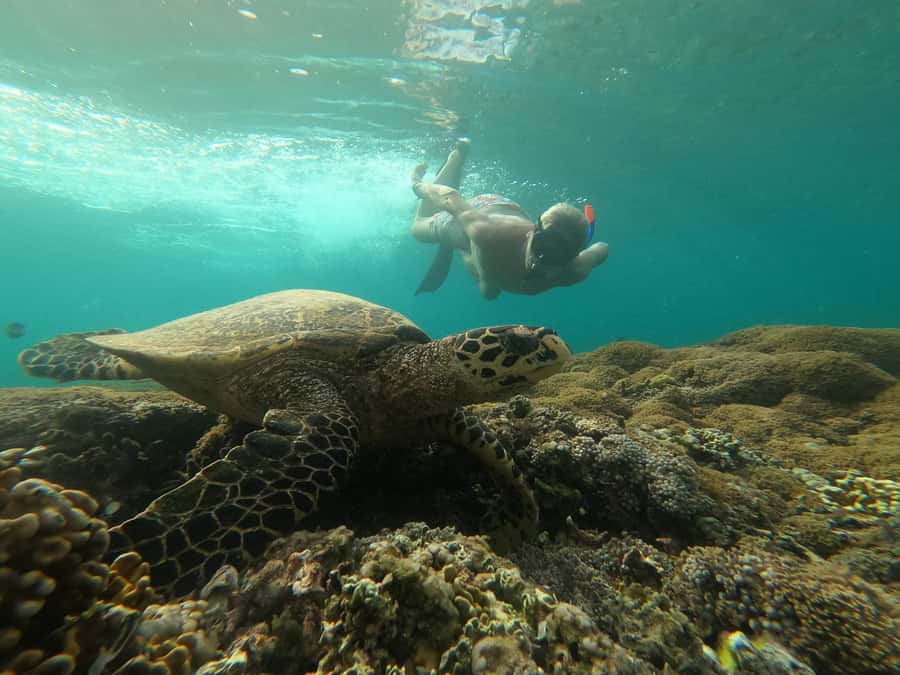
- Sea turtles at Gili Meno are a top reason to book, and the water is often clear for spotting them.
- The underwater statue stop is timed into the route, plus you get coral and fish in the same area.
- A guide stays with you and helps you feel confident once you’re snorkeling.
- You snorkel three different areas (Gili Air area, Gili Meno, then Gili Trawangan) rather than just one reef.
- Group size can change the experience—more people means less space around turtles and statues.
- Lunch is not included, but you’ll likely stop for food along the way, so bring cash.
From Gili Air to Three Stops: How the 4-Hour Route Really Works
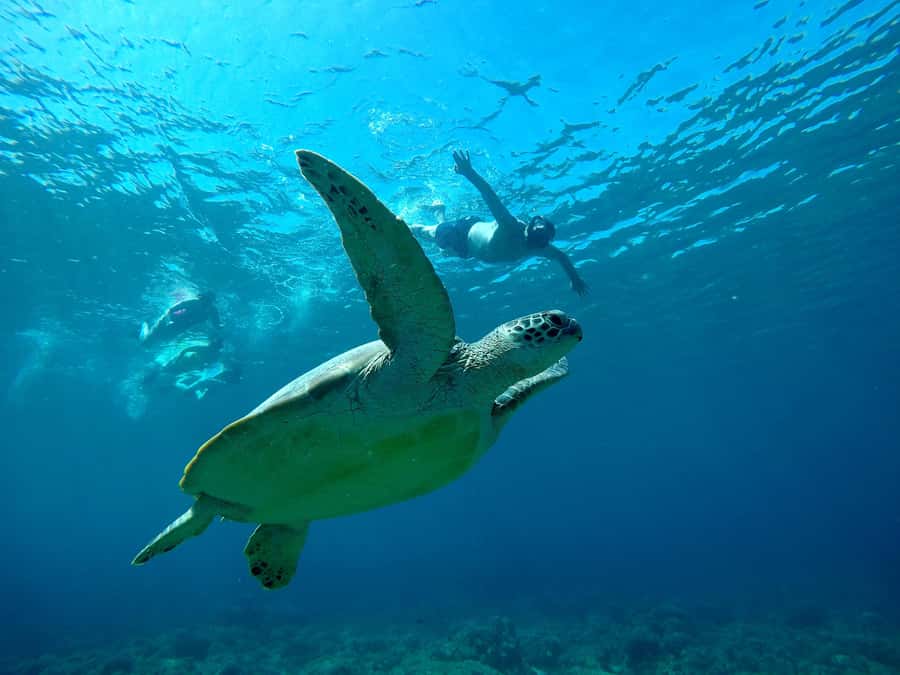
This is a straightforward 4-hour snorkeling circuit run from Gili Air. You check in at the Sasak Water Sport office, meet the team, and then you get outfitted with snorkeling gear—typically a mask, fins, and a life jacket—so you can focus on breathing and enjoying the water.
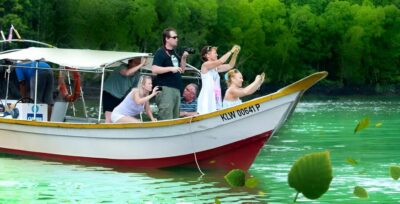
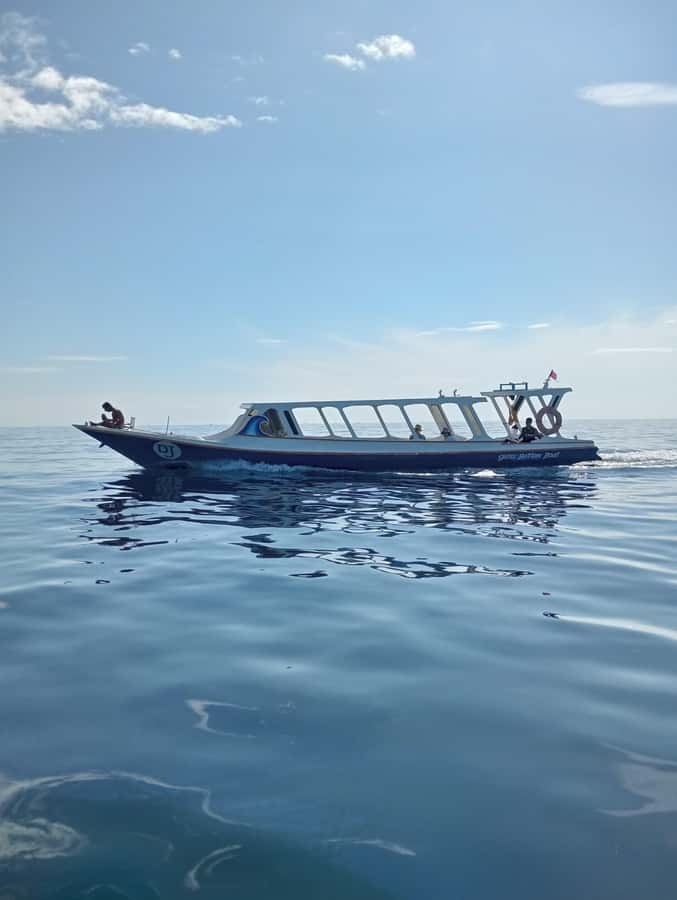
The boat portion is designed to keep things easy. You board directly from Gili Air’s shoreline and travel across calm, shallow water between snorkeling stops. That matters because it helps you avoid that “where do I put my stuff?” stress right at the start.
A big plus is the pacing. The first stop is usually near Gili Air. Think of it as a warm-up: you get into the rhythm, see coral and tropical fish with good visibility, and get comfortable before the route ramps up at the other islands.
Then you move on to Gili Meno, where the atmosphere shifts to the iconic underwater statue area and (when conditions cooperate) a strong chance of seeing sea turtles. After that, you head to Gili Trawangan, which tends to feel more lively in the water with colorful reefs and active fish.
You come back to Gili Air after the last snorkeling session, with a bit of downtime on the boat—sea breeze, island views, and time to rinse off mentally before heading back.
The Turtle Factor at Gili Meno (and Why Crowds Matter)
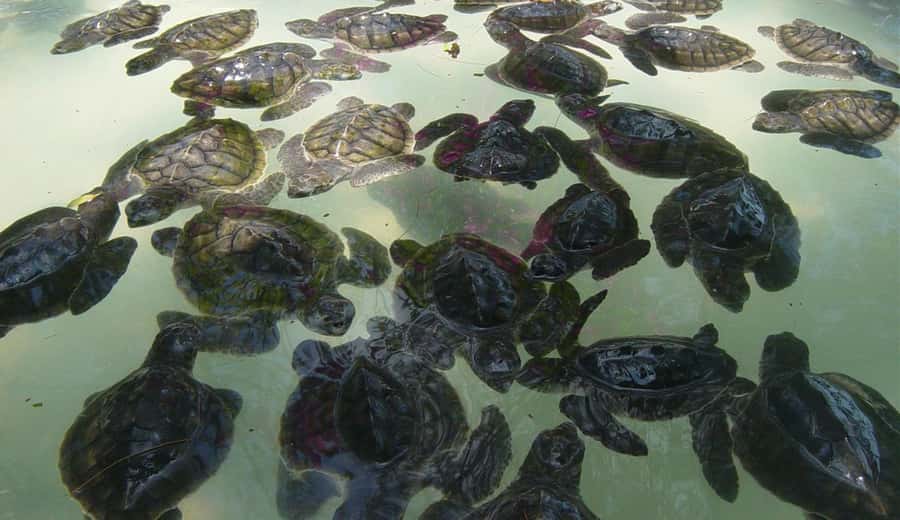
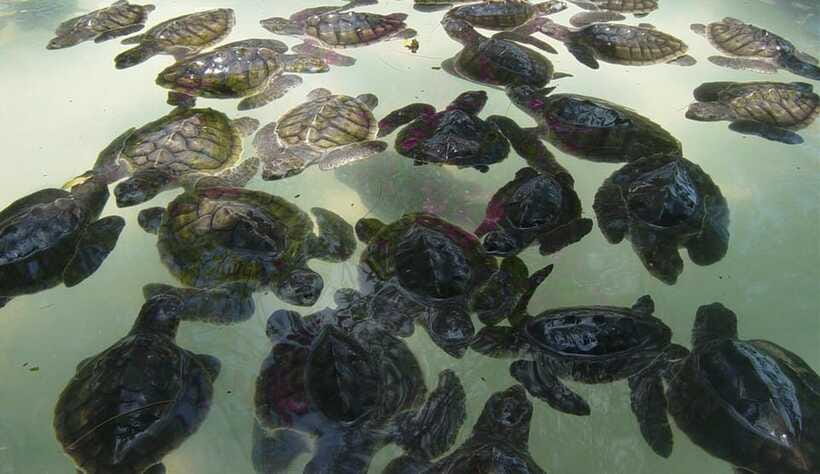
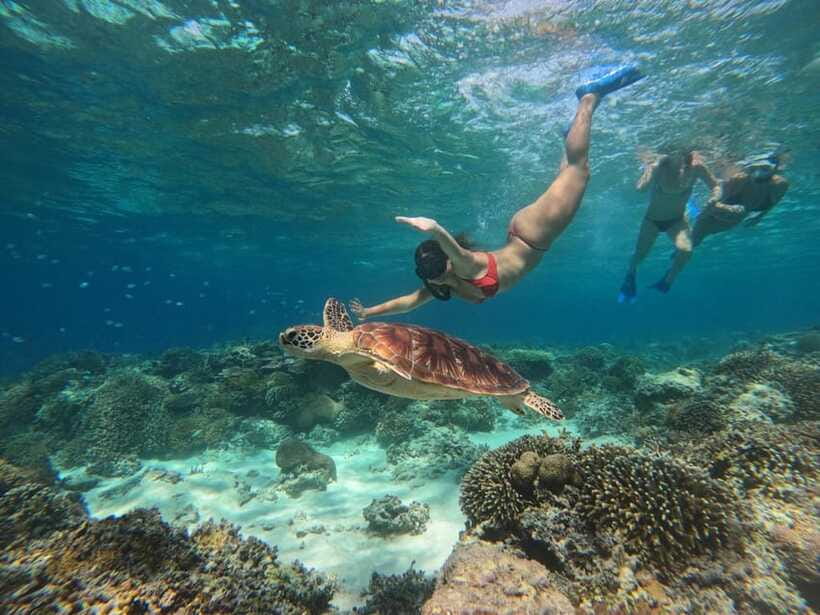
If your goal is sea turtles, Gili Meno is the reason this trip is popular. The snorkeling there is known for clear water, coral gardens, and sandy seabeds—exactly the kind of habitat where turtles cruise along calmly.
Here’s the practical part: the experience quality depends on how the day’s group schedule looks. A common frustration on shared snorkeling days is the “everyone shows up at once” effect. When there are a lot of people in the same spot, the water can feel crowded, and turtles may spend less time in the open. Even worse, some people may touch marine life, which is not only risky but also ruins the vibe for everyone else.
So if you’re serious about turtle viewing, try to keep your expectations realistic with a group tour. You’ll still likely see them if conditions are right, but give yourself an attitude adjustment: you’re not alone in the water, and you’ll want to keep your hands to yourself and move slowly.
If you hate crowds, consider whether a private option would better match your style. More space usually means more natural turtle behavior and a calmer feeling in the water.
Underwater Statues and Coral: More Than Just a Photo Stop
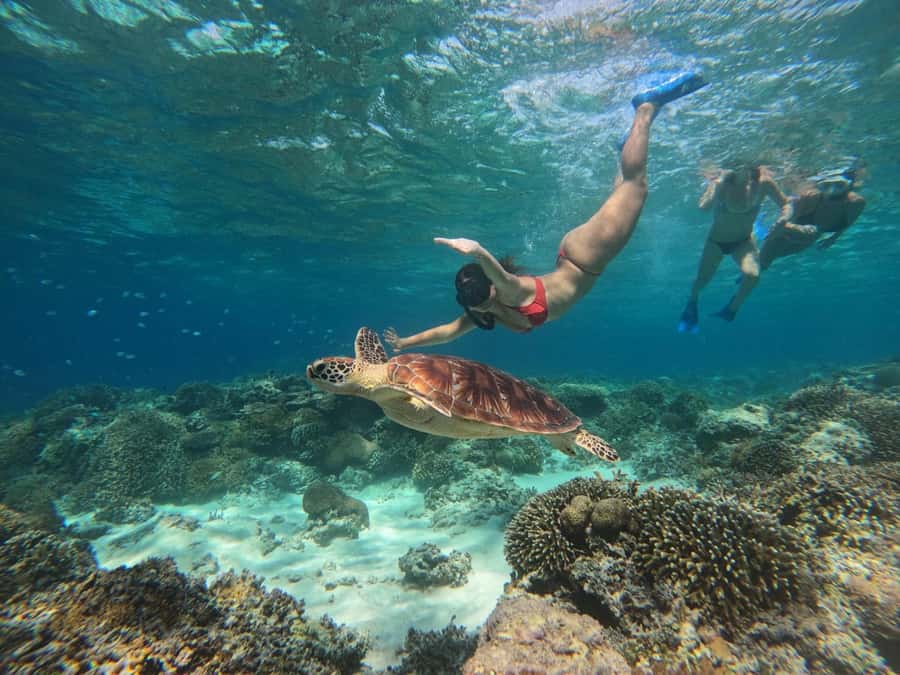
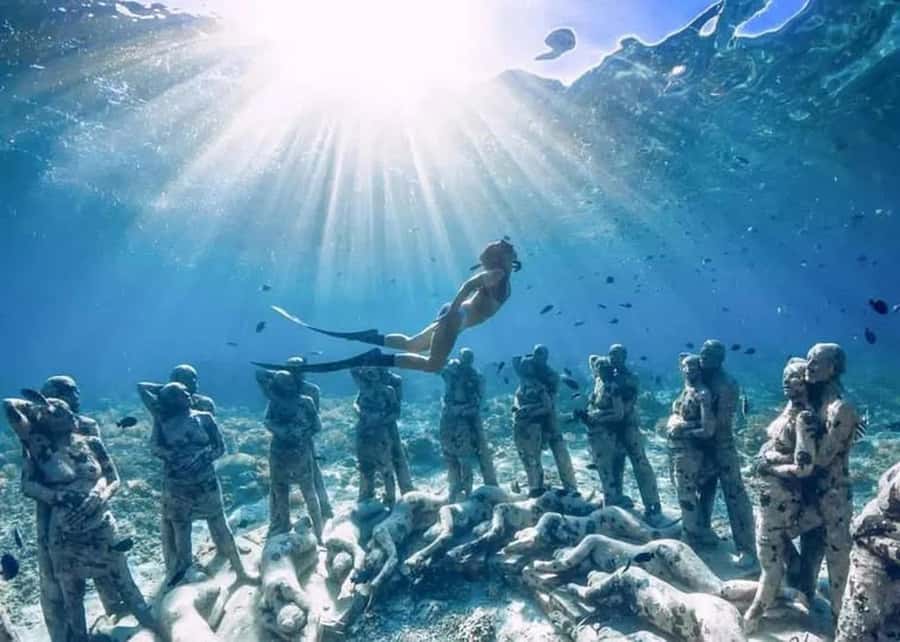
The underwater statue at Gili Meno is a signature moment. It’s the kind of landmark that helps swimmers orient themselves underwater, and it also brings people to the same general zone—so you’ll see coral and fish around the structure.
This stop is great if you like snorkeling that includes both wildlife and something human-made to explore. Coral coverage plus fish activity makes it more than just “look for one thing.” Even if you’re focused on turtles, you’ll usually get plenty to see in the surrounding reef.
But there’s a catch, and it’s worth saying plainly. Because that statue is famous, it often draws lots of boats and lots of snorkelers at the same time. That can mean more stirring in the water and less personal space. In the water, that translates to shorter, busier viewing windows.
If you’re someone who likes to take your time, you may feel rushed. You can help by slowing your breathing, staying calm, and treating it like a quick guided look rather than a long solo swim.
Gili Trawangan Reefs: Colorful Fish and a Different Feel
After Gili Meno, you finish at Gili Trawangan. This is where the underwater scenery typically feels a bit different: more vibrant reef areas, lots of fish, and a sense that the ecosystem is “busier” than the calmer turtle-focused stop.
This final snorkeling session is often the one where people switch from wildlife hunting to just enjoying what’s around them. If you want color, movement, and fish activity, this is your payoff.
Still, keep an eye on the practical side. Shared trips can mean limited time underwater per stop, so if you have one “must-see” priority, put it first in your brain. For most people, that priority is the turtle moment at Gili Meno.
Also, know that not every creature is “cute.” One important reality check: you might run into jellyfish. It’s not guaranteed, but you should go in prepared—wear swimwear you don’t mind getting wet, and pay attention to your guide’s warnings.
The Crowd, Equipment, and Language Issues You Should Plan For
This kind of trip lives or dies on organization. Overall, it’s well run, with staff welcoming you on arrival and guiding the snorkeling process. Equipment is provided, and the guide should stay close to help with safety and comfort.
That said, there are a few friction points you should plan for:
1) Crowds in the water
The turtle and statue areas can attract big groups. That means less space, and you have to be more patient. If you’re the type who hates shoulder-to-shoulder snorkeling, this is where your enjoyment can take a hit.
2) Boat space
On busy days, boats can feel tight. The goal is not luxury; it’s getting you to the spots efficiently. Pack light and keep your valuables secure so you’re not stressed during the ride.
3) Gear check before you go
Snorkeling gear is included, but it’s still smart to do a quick check once it’s in your hands. Make sure the mask fits, fins feel secure, and your snorkel isn’t damaged. You don’t want to lose time underwater dealing with an equipment issue mid-trip.
4) English level
The host or greeter is listed as English-speaking. In real life, communication can still vary, especially when staff are coordinating safety and timing. If you have a specific need, say it clearly at check-in and keep it short.
Included for $14: What You’re Getting (and What You’re Not)
At about $14 per person, you’re paying for a lot of “service pieces,” not just the snorkeling itself. Here’s what’s included:
- Glass bottom boat tour
- Guide
- Snorkeling gear
The guide is the big value driver. With a guide, you get help with safety, route flow, and spotting marine life. The glass bottom boat portion adds a little extra interest during transitions, too.
Now the stuff you must bring, because it’s not provided (or not guaranteed):
- Swimwear
- Towel
- Drinks
- Sunscreen (important)
- Beachwear
- Cash (especially for lunch stop meals)
- Waterproof bag
Sunscreen is a big one. If you forget, you can end up spending more than you wanted later, and sun on a short 4-hour outing can still sting.
Lunch Stop Reality: Bring Cash for Gili Meno or Gili T
There’s a scheduled lunch stop on the route, typically in Gili Meno or Gili Trawangan. Food isn’t included in the price, and not all restaurants take card—so bring cash.
This is one of those “small planning details” that makes the day smoother. If you hate handling money while wet and sandy, bring a waterproof pouch and keep a small amount set aside for your meal.
Also, plan your energy. You snorkel multiple times in a short window, so having a drink and a simple plan for food keeps you from turning into a grumpy sea creature at the end.
Who This Trip Fits Best (and Who Should Skip It)
This experience isn’t for everyone.
It’s listed as not suitable for:
- Children under 18
- People over 70
If you’re in that age range, I’d look for another snorkeling format with a different pace and safety setup.
Who it fits well:
- Adults who want a simple, time-efficient way to snorkel three Gili areas
- People who specifically want a shot at sea turtles at Gili Meno
- Swimmers comfortable sharing spots in the water and following guide timing
Who might feel disappointed:
- Anyone who expects quiet, private snorkeling
- People who hate crowds, or want long, slow reef time rather than quick viewing windows
- Snorkelers who need a very controlled, low-noise environment for wildlife viewing
Quick Practical Checklist (So You Don’t Waste Time)
Before you head out, get your basics ready:
- Wear swimwear so you can change fast if needed
- Bring sunscreen and reapply if you get sun between stops
- Carry water or drinks so you don’t dehydrate on the boat
- Use a waterproof bag for phones and documents
- Bring cash for the lunch stop
- Do a quick gear fit check after they give you the mask/fins/life jacket
And one more simple rule: when you see turtles or coral crowded areas, swim calmly. Don’t kick hard. Don’t grab. Let the animal do its thing.
Should You Book This Gili Air 3-Islands Snorkeling Trip?
Book it if your priority is a packed but practical 4-hour snorkeling circuit with gear, a guide, and a real chance at sea turtles plus the underwater statues.
Skip it (or consider a different format) if you’re very crowd-sensitive. Shared group snorkeling can get tight at the most famous spots, and that can reduce how relaxing the experience feels.
If you do book, go in prepared: bring sunscreen and cash, check your gear, and treat the turtle and statue zones as shared viewing spots. That mindset keeps the day enjoyable even when the water gets busy.
FAQ
How long is the 3 Islands snorkeling trip from Gili Air?
It lasts 4 hours.
How much does it cost?
The price is $14 per person.
Where do I check in?
Check in at the Sasak Water Sport office.
What’s included in the price?
It includes a glass bottom boat tour, a guide, and snorkeling gear.
Is food included?
Food is not included. There is a stop for lunch in Gili Meno or Gili T, and you should bring cash because not all restaurants take card.
What should I bring?
Bring swimwear, a towel, drinks, sunscreen, beachwear, cash, and a waterproof bag.
Is this trip suitable for kids or older adults?
It’s not suitable for children under 18, and it’s also not suitable for people over 70.