REVIEW · PORT ELIZABETH
Whale, Dolphin & Penguin Island Cruise
Book on Viator →Operated by Raggy Charters · Bookable on Viator
If ocean days were graded, this one would score high. This slow-paced, eco-minded cruise takes you out of Port Elizabeth’s Algoa Bay and into real wildlife country, with a St. Croix Island encounter focused on endangered African penguins. It runs once a day, so when it lines up with your plans, it’s a smart use of time.
I like the small group setup. With a maximum of 20 travelers, you get more back-and-forth with the skipper and guide instead of standing silently while someone points at a fin in the distance. I also like that the crew shares conservation context, with one guide named Jake in the mix, so the sightings feel connected to what’s happening in the ecosystem.
Here’s the main consideration: wildlife timing is never guaranteed. The cruise depends on what the animals choose to do that day, and it also needs good weather on the water. If your heart is set on penguins and whales, go in with flexibility and good sea-sickness planning.
In This Review
- Quick hits before you go
- Algoa Bay wildlife without the rush
- Price and value: what $185.19 buys you
- Where you meet and how the timing works
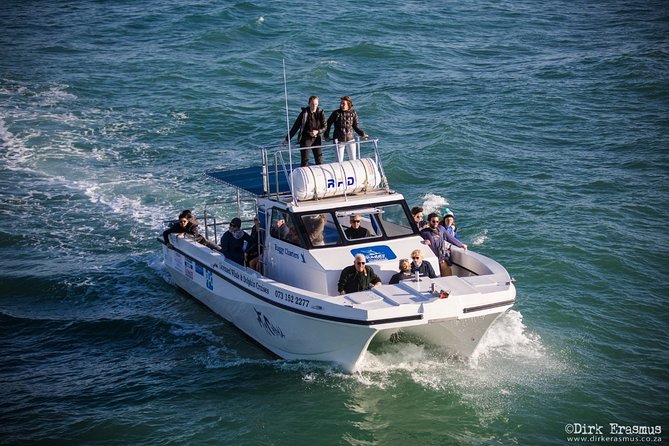
- The catamaran ride: spotting whales and dolphins in Algoa Bay
- Humpback whales (best season planning)
- Dolphins in the mix
- St. Croix Island: your penguin encounter (and why it matters)
- Other wildlife you could spot on the water
- Why the crew style makes the day better
- Eco-sustainability: what the tree-planting campaign means
- Who this cruise is best for
- When to go: match the calendar to the animals
- Small-group comfort and photo time on a 20-person cap
- Should you book this Whale, Dolphin & Penguin Island Cruise?
- FAQ
- How long is the cruise?
- Where do I meet the tour?
- What marine wildlife can I see?
- Is it suitable for children or older adults?
- Do I need a printed ticket?
- What if weather is bad?
Quick hits before you go
- Small boat, slower pace so you can actually watch and ask questions instead of racing for the next stop.
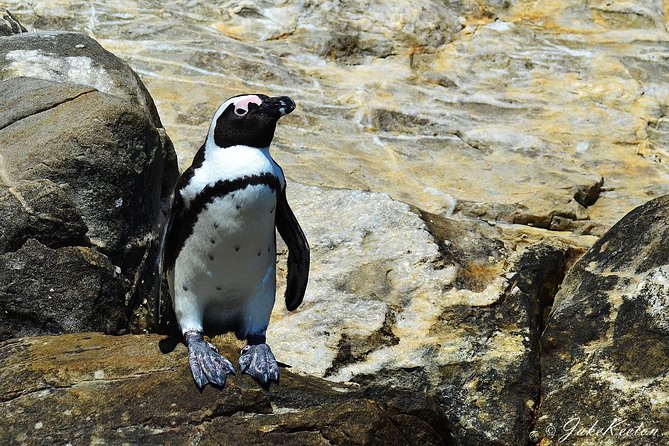
- St. Croix Island penguins: home to about 12,000 endangered African penguins, with breeding peaking March to May.
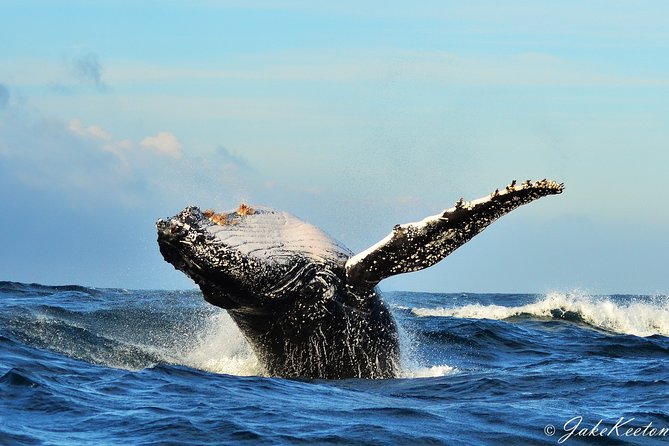
- Algoa Bay wildlife seasons: humpback whales are seen from June to early December; bottlenose dolphins can be spotted year-round.
- Eco-sustainability effort includes a tree-planting campaign aimed at balancing the carbon footprint.
- Conservation talk from the crew: you’re not just spotting animals, you’re learning how the bay works.
- Mobile ticket and a day that’s only about 4 hours, making it easy to plug into a Port Elizabeth itinerary.
Algoa Bay wildlife without the rush
This is the kind of cruise that feels built for not sprinting across the ocean. You’re on a twin-engine catamaran heading out into Algoa Bay, and the pace is intentionally laid back. That matters, because real wildlife spotting is mostly patience, not performance.
You’re also not stuck in a huge crowd. With a maximum of 20 travelers, you can keep your eyes on the water and your questions for the crew. The crew and skipper have time to steer for sightings and to explain what you’re seeing as it happens. In practice, that turns a random ocean outing into a guided day in an ecosystem.
The other reason this works: it’s a single daily run. That keeps the planning simpler and the logistics cleaner than multi-departure schedules.
Price and value: what $185.19 buys you
At $185.19 per person, this isn’t a bargain-bucket activity. But it also isn’t priced like a generic sightseeing cruise. You’re paying for a few things that add up: a 4-hour outing on the water, a St. Croix Island visit focused on endangered penguins, and a crew-led approach aimed at conservation (not just animal photography).
Small-group capacity is part of the value. When you’re not fighting for space, you see more. When you can ask follow-up questions, the day feels more meaningful. And when the crew is actively looking for whales, dolphins, and other marine wildlife, the odds of a memorable mix go up.
One practical tip I’d give you: if you’re comparing this to booking through a cruise-style shore excursion, look closely at pricing. One review highlighted that booking direct saved money because the boats used can be the same. Even if the savings aren’t dramatic for you, it’s worth checking.
Where you meet and how the timing works
You start at 8:00am at the Nelson Mandela Bay Yacht Club, Dom Pedro Jetty, Port Elizabeth Harbour (Gqeberha Central, Gqeberha). It ends back at the same meeting point, so you don’t need to puzzle out transport or a new pickup location.
Plan on being there early enough to get settled. There’s a short briefing before you head out into Algoa Bay. That briefing is not filler. It sets expectations for the day and helps everyone stay comfortable on the water.
The cruise is about 4 hours total, so this is a good choice for mornings when you still have energy for the rest of your day.
The catamaran ride: spotting whales and dolphins in Algoa Bay
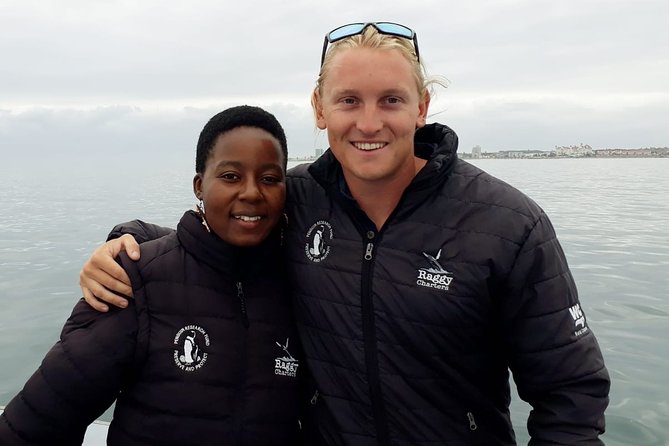
Once you leave Port Elizabeth, the real show starts with the open-water scan. Algoa Bay is known for multiple cetacean and dolphin species, and the crew times the hunt to seasonal patterns.
Humpback whales (best season planning)
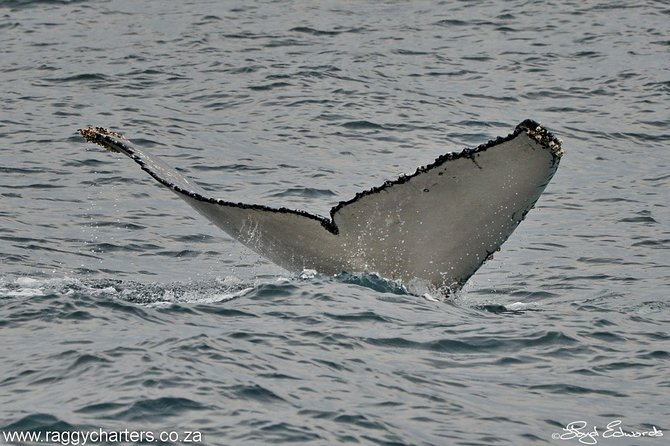
Humpback whales are seen in Algoa Bay from June to early December. If you’re traveling in that window, you’re in the right place for at least a strong possibility. The timing also fits broader migration behavior: humpbacks travel along the coast as they head up the East coast toward breeding grounds, and the return journey begins around October, with females sometimes accompanied by calves.
Southern right whales are another seasonal option. They can be seen close inshore from July to September. So if your visit lands in mid-winter to early spring (Southern Hemisphere calendar), the odds improve for a more varied whale list.
Dolphins in the mix
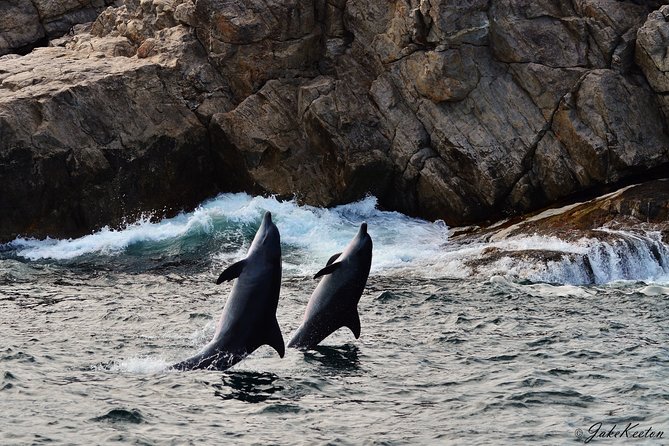
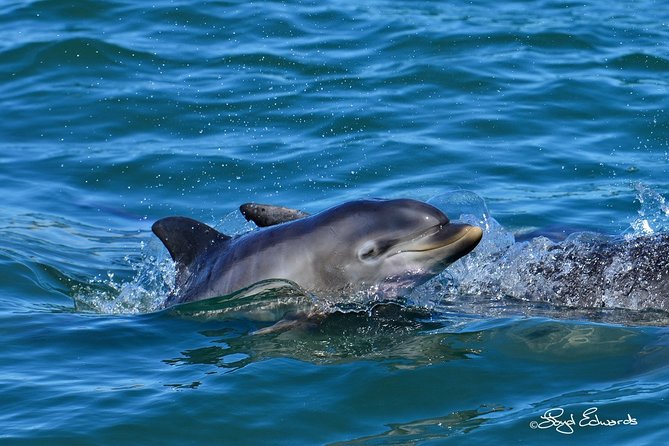
Dolphins are a big reason this cruise feels lively even if whales don’t show up. Indo-pacific bottlenose dolphins are the most frequently observed dolphins in the bay and can be spotted all year round. They often travel in groups from about 10 to 400. They’re frequently in shallow waters near beaches or around St. Croix Island and may come near the boat and ride along in bow waves.
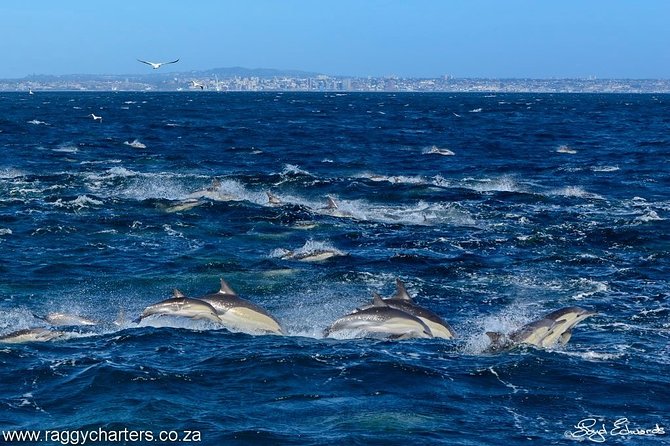
Common dolphins are spectacular when you find them. They can appear in very large groups, sometimes 1,000 to 2,000, and they’re often seen farther out to sea. They tend to follow baitfish, and that’s one reason dolphin viewing can vary day to day depending on where the food is.
One helpful mindset: dolphins can show up often, whales can take more patience, and both depend on the animals’ choices. That’s normal in the wild. The crew’s job is to maximize your opportunities, not promise a checklist.
St. Croix Island: your penguin encounter (and why it matters)
St. Croix Island is the headline stop for many people. It’s home to around 12,000 endangered African penguins and is the largest breeding colony found in Africa. The stakes are real: the colony has been reduced by roughly 70% in the last 10 years, which is part of why this cruise focuses on conservation education as much as wildlife viewing.
You get a close-up encounter with African penguins from the boat. If you’re hoping to see chicks, your best window is the breeding peak from March to May, when chicks are more likely to be visible.
You might also see other island birds, including the African black oystercatcher and cormorants like the white-breasted and Cape cormorants. The island group, along with Bird Island, is part of Addo Elephant National Park, and that connection supports ranger patrols, which matters for long-term protection.
A practical drawback to keep in mind: penguin counts can be affected by food supply pressures like overfishing. That doesn’t mean penguins disappear, but it does mean numbers may not always match your expectations. The crew is your best source for what you should reasonably aim to see that day.
Other wildlife you could spot on the water
This cruise isn’t only about whales, dolphins, and penguins. The bay can deliver a wider cast, and the crew looks out for it.
Depending on the day, you may spot:
- white-breasted cormorants and Cape cormorants
- sharks (various species)
- Cape fur seals
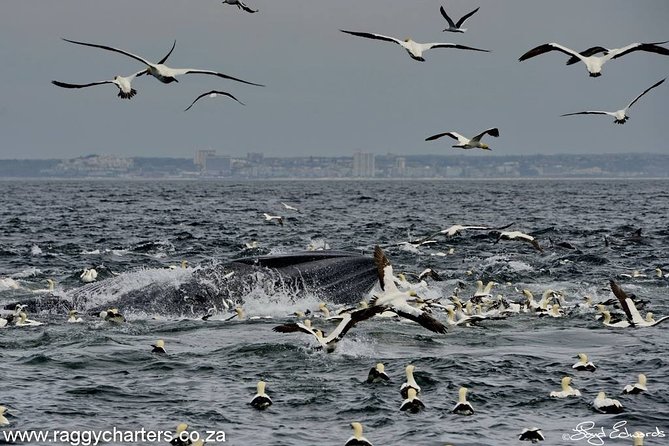
- Cape gannets
- pelagic birds such as terns, petrels, skuas, shearwaters, and albatrosses
- minke whales and Bryde’s whales
In the real world, sightings vary. But that’s also why the smaller group matters: the crew can adjust where they point and how long they stay with a sighting so you don’t miss it.
Why the crew style makes the day better
On paper, you’re buying a boat ride. In practice, you’re buying the human layer that turns random animal sightings into a learning experience.
The strongest feedback you’ll find about this cruise centers on the crew being genuinely helpful and on safety being taken seriously. Multiple reviews call out a professional handling of the boat even when conditions got choppy, plus clear communication. That’s not trivial. Weather on the bay changes fast, and a good crew keeps it calm and controlled.
It also helps that the guide approach is conservation-focused. One guide named Jake was singled out for sharing local marine knowledge and making the experience feel mission-driven. You’re not just photographing animals; you’re learning why they’re there and what threats they face—like the penguin population pressure mentioned for St. Croix.
For your trip, that means you’ll leave with a sense of context instead of only a stack of photos.
Eco-sustainability: what the tree-planting campaign means
The cruise is described as eco-sustainable through a tree-planting campaign meant to balance the carbon footprint. I like that it’s at least acknowledging the footprint rather than pretending travel has no impact.
Just keep expectations grounded: tree planting is not a replacement for responsible boating and wildlife-protection behaviors. But as part of an overall approach—especially when paired with conservation education—it shows the operator is thinking beyond the immediate sighting.
Who this cruise is best for
You’ll likely enjoy this most if you:
- want a more relaxed wildlife outing than big, fast tours
- care about learning how the marine ecosystem works
- like photography but also want time to watch behavior (not just rapid glances)
It’s a good fit for families too, since there’s no age restriction. Life jackets are available for all ages, and people with disabilities can join with assistance from family and crew. The only health note is simple: you should use your own judgment about fitness and comfort for time on the water.
When to go: match the calendar to the animals
If you’re planning around specific wildlife, this is where the timing helps you.
- Humpback whales: June to early December
- Southern right whales close inshore: July to September
- Bottlenose dolphins: year-round
- African penguins breeding peak (chicks): March to May
If you’re traveling outside humpback season, don’t panic. Dolphins are described as year-round, and you can still get a strong wildlife day. If penguins are your must-see, aim for the breeding peak months when chicks are more likely.
Small-group comfort and photo time on a 20-person cap
A maximum of 20 travelers changes the feel of the whole day. You’ll get more space to move, and it’s easier to keep everyone oriented when the crew spots activity.
It also helps your photos. When the boat doesn’t feel overcrowded, you can pick a spot with a clear view and keep shooting while the crew watches for the right moment. And because the pace is slower, you get more chances for repeated sightings rather than one quick pass.
Should you book this Whale, Dolphin & Penguin Island Cruise?
Book it if you want a Port Elizabeth wildlife day that’s genuinely organized around time and attention, not just ticking off animals. The small group size, the focus on African penguin conservation at St. Croix Island, and the season-based whale and dolphin potential make it a strong value for the hours you’ll spend out on the water.
I’d think twice only if you’re the type who needs guaranteed penguins or guaranteed whales with zero uncertainty. This is nature, so you’ll get your best results by going when the seasons match your goals and by keeping expectations flexible.
If you’re ready to trade a bit of certainty for real time on the bay with a crew that actually talks to you, this cruise is a great fit.
FAQ
How long is the cruise?
The trip runs for about 4 hours (approx.) and ends back at the same meeting point.
Where do I meet the tour?
You meet at 8:00am at the Nelson Mandela Bay Yacht Club, Dom Pedro Jetty, Port Elizabeth Harbour, Gqeberha Central, Gqeberha.
What marine wildlife can I see?
The cruise focuses on humpback whales (seasonal), bottlenose dolphins (year-round), and endangered African penguins on St. Croix Island. You may also spot other birds, seals, sharks, and other marine life depending on the day.
Is it suitable for children or older adults?
There is no age restriction. Life jackets are available for all ages, and disabled travelers can join with assistance from family and crew.
Do I need a printed ticket?
You use a mobile ticket.
What if weather is bad?
This experience requires good weather. If it’s canceled due to poor weather, you’ll be offered a different date or a full refund. It also has a minimum number of travelers, and if that minimum isn’t met, you’ll be offered a different date/experience or a full refund.