REVIEW · WILMINGTON NORTH CAROLINA
Wilmington: Eagles Island Cruise–Eco-History Cruise
Book on GetYourGuide →Operated by Wilmington Water Tours LLC · Bookable on GetYourGuide
That first turn onto the Cape Fear River sets the tone. You get history and ecology together, with real scenery and a captain who talks through what you’re seeing. It’s a short ride that still feels like you learned something.
I love how the cruise is built around two different routes, so you can get a different side of Wilmington depending on the time you go. I also like the hands-on extras: binoculars and maps on board, plus photo opportunities that actually match the stories you hear.
One thing to plan for: it’s not suitable for wheelchair users, and the whole experience is weather- and river-dependent, so you’ll want a flexible mindset.
In This Review
- Quick Takeaways
- Why the Cape Fear River Cruise Feels Like a Local Lesson
- Choosing the Right Route: Eagles Island North vs State Ports South
- Historic Downtown, Eagles Island, and the Battleship Views
- Rice Plantations, Shipwrecks, and Wildlife on a 50-Minute Nature Slice
- WWII Wilmington Shipyard Stories From the State Ports Route
- On-Board Comfort: Catamaran Ride, Captain Narration, and Included Extras
- Getting There Smoothly: Cape Fear Riverwalk Meeting Point and Boarding Timing
- Price and Value: What $24 Gets You for 50 Minutes
- Who This Cruise Fits Best (and Who Might Want a Plan B)
- What to Bring (and What Not to) for a Better Ride
- Should You Book the Wilmington Eagles Island Eco-History Cruise?
- FAQ
- What is the duration of the Wilmington Water Tours eco-history cruise?
- How much does the cruise cost?
- Where do I meet for the cruise?
- What routes does the cruise take?
- What can I see on the even-hours route?
- What can I see on the odd-hours route?
- Is there narration during the cruise?
- What’s included on board?
- What should I bring?
- Is smoking or vaping allowed?
Quick Takeaways
- Two route options (north to Eagles Island or south to the State Ports) mean different sights and different stories
- Captain-led narration gives context while you watch ships, wildlife, and historic landmarks drift by
- Battleship photo moments and river visuals make the history feel tangible, not textbook
- Wildlife + “small nature” details show up right along the route, not off in some distant park
- Included bar and snacks add comfort on a 50-minute outing
Why the Cape Fear River Cruise Feels Like a Local Lesson
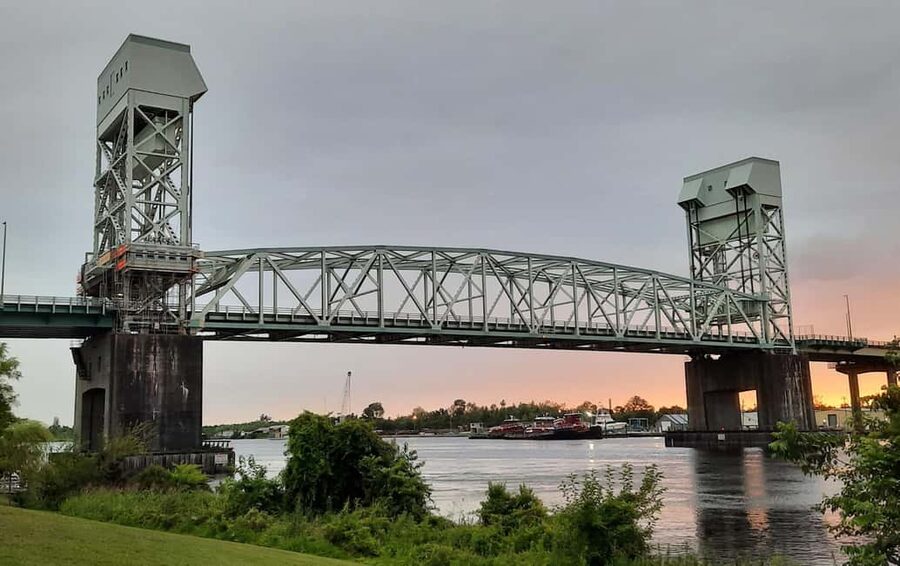
This is the kind of outing that works because it’s focused. You’re not trying to cover the entire city. In 50 minutes, you get a guided pass along the Cape Fear River and learn what shaped it—then you see what’s thriving there today.
The best part is the combo of WWII-era river industry and the living ecosystem outside your window. That’s a powerful mix because the scenery isn’t just pretty; it’s evidence. You’re seeing the river as a working route, a wildlife corridor, and a historical stage all at once.
The tone stays relaxed. This isn’t a lecture where you can’t enjoy the view. It’s more like being on a comfortable ride where the captain keeps tying the sights to stories you can remember.
Choosing the Right Route: Eagles Island North vs State Ports South
Your route depends on the time of day, and that changes the whole feel of the cruise.
- Even hours run north along Historic Downtown and out toward Eagles Island. Expect more natural detail—flora and fauna—and more history tied to the landscape, including the Battleship view and mentions of rice plantations and shipwrecks.
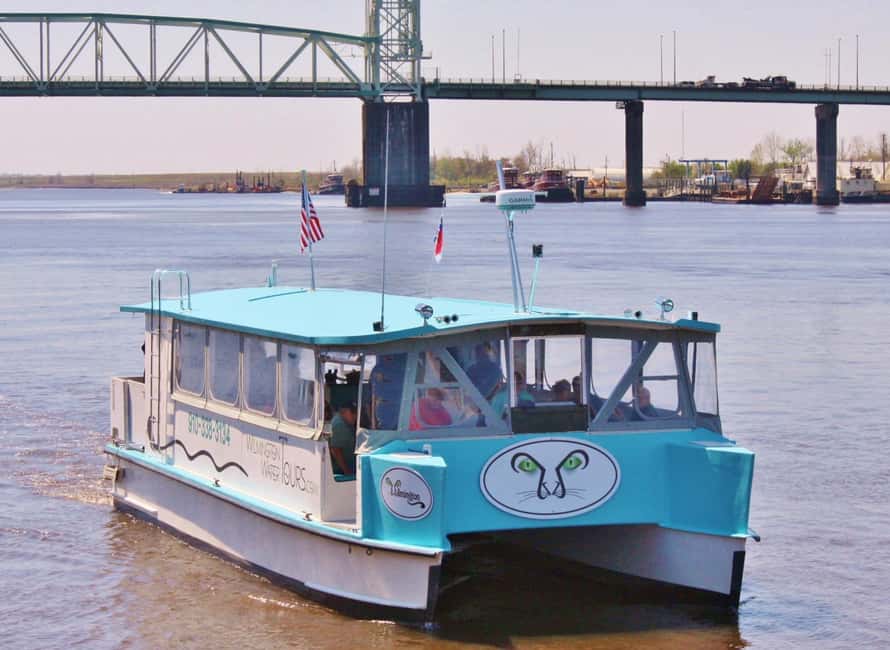
- Odd hours head south under the Cape Fear Memorial Bridge to the State Ports. The emphasis shifts to the river as an active port, with current facts and a clearer line back to the WWII Wilmington shipyard story.
If you’re the type who loves boats and the working waterfront, the southbound State Ports route is likely your vibe. If you want more wildlife sightlines and historic “river geography,” go northbound.
Historic Downtown, Eagles Island, and the Battleship Views
On the even-hours run, the cruise north tracks past Wilmington’s Historic Downtown and continues toward Eagles Island. This is where the ride starts to feel cinematic—dense riverfront history on one side, then open water and quieter stretches on the other.
You’ll also get unique views of the Battleship. For a short cruise, it’s a smart payoff: you’re not just hearing about big history, you’re seeing the kind of landmark that makes people pay attention in the first place.
One small advantage of this format: the narration is timed to your movement. As you pass key areas, the captain’s comments help you connect what you’re seeing with why it mattered. That connection is what makes the information stick after you’re off the boat.
Rice Plantations, Shipwrecks, and Wildlife on a 50-Minute Nature Slice
The northbound route doesn’t only lean historical. It also points your eyes toward the river’s ecology.
You’ll learn about rice plantations and how the river region shaped agriculture, then you’ll watch for signs in the landscape that support the ecology side of the story. The cruise includes mentions of shipwrecks, along with flora and fauna sightings along the route.
Why that matters for you: you don’t have to be a hardcore birdwatcher to enjoy this. It’s more about noticing. The captain gives you context, and the binoculars help you actually see what you’re being pointed at.
The tradeoff is the same as any short river outing: you can’t expect every wildlife moment to be guaranteed. Still, the structure is good. Even when wildlife is quiet, you’re getting plenty of river scenery and story-driven wayfinding.
WWII Wilmington Shipyard Stories From the State Ports Route
On odd hours, the cruise heads south under the Cape Fear Memorial Bridge toward the State Ports. This version of the trip feels more modern and industrial while still rooted in the area’s WWII past.
You’ll hear history about a WWII Wilmington shipyard, then you’ll see how today’s river activity continues the theme of shipping and ship movement. Expect current facts while watching tug boats, container ships, and pleasure boats pass by during the cruise.
This route is a great choice if you want your “eco-history” to include live context. Watching working vessels while you hear how the shipyard era shaped the region makes the history feel less distant. It’s one thing to read about ports. It’s another to see them at work while someone narrates what to notice.
On-Board Comfort: Catamaran Ride, Captain Narration, and Included Extras
You ride a comfortable motorized catamaran, and that’s a big part of why this works. The boat experience is built for easy viewing—so you can watch the river without feeling like you’re fighting the ride.
The captain and crew make the biggest difference. The narration is lively and practical, with fun facts and historical anecdotes woven into what you’re passing. People mention that the experience stays easy to follow and relaxing, not stiff.
You also get real “viewer” tools: maps and binoculars provided on board. Those small extras help you turn the cruise into something interactive—especially if you’re trying to photograph details or track wildlife you can spot only if you magnify.
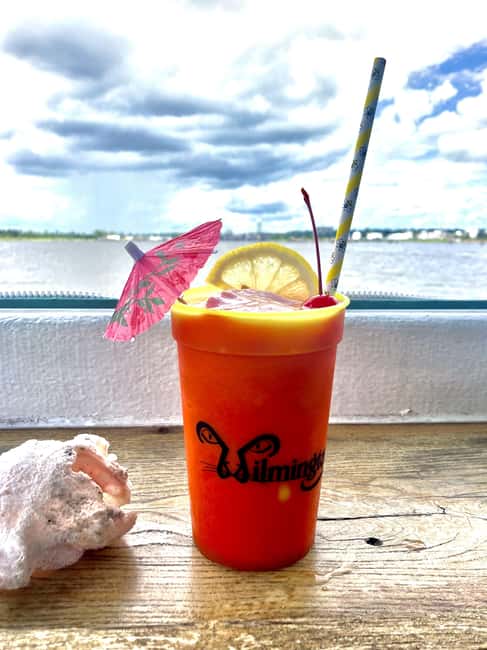
And yes, there’s a full bar with non-alcohol and alcohol drinks, plus snacks. For a 50-minute time window, that’s a solid comfort upgrade. It also makes it easier to stay put and focus on the scenery instead of thinking about food logistics.
Getting There Smoothly: Cape Fear Riverwalk Meeting Point and Boarding Timing
Your meeting point is along the Cape Fear Riverwalk, between Orange and Ann Streets. Look for the kiosk area with the Pirate and Postcard stand out front.
Plan for boarding about 15 minutes prior to departure. That’s not much time, especially if parking needs a little sorting out. Give yourself time to park in nearby decks, lots, or metered spots, then walk over calmly.
What I’d do if it’s your first time: arrive a bit early, check in, and take a quick look at the river from the dock area before you step onto the boat. It helps you orient yourself fast when the captain starts pointing things out.
Price and Value: What $24 Gets You for 50 Minutes
At $24 per person, this isn’t trying to be a long, expensive excursion. It’s priced like a great “add-on” day activity—something you can fit without eating your whole afternoon.
For the money, you’re getting:
- a 50-minute narrated eco-history cruise
- route-dependent highlights like the Battleship view, rice plantations context, and shipyard history
- provided maps and binoculars
- a full bar plus snacks
- crew-led storytelling that ties sights to meaning
Is it a full replacement for a museum day? No. But for value, it’s doing a lot in a short time. You leave with photos, new context about Wilmington and the Cape Fear River, and a better sense of how the city’s past connects to what you see now.
Who This Cruise Fits Best (and Who Might Want a Plan B)
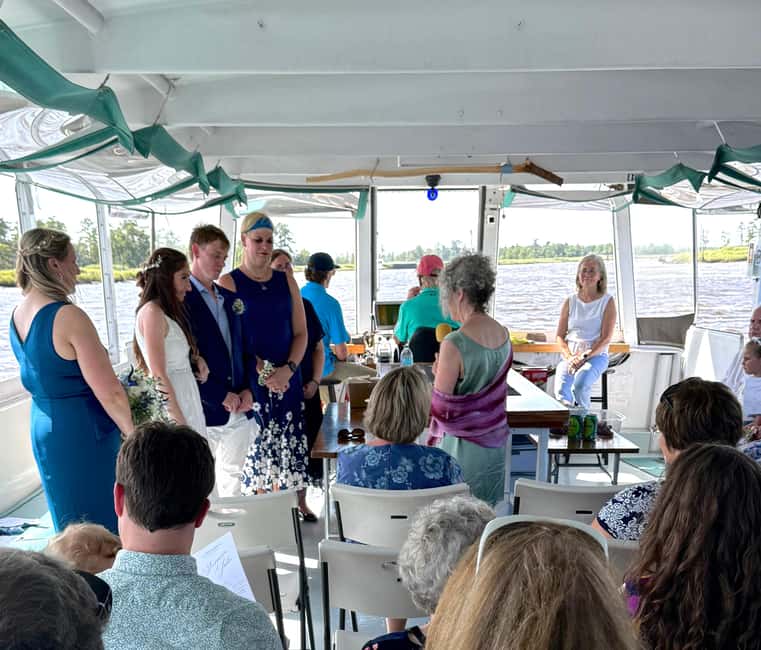
This is a good match if you want:
- an easy outing that stays under an hour
- captain storytelling instead of a self-guided audio-only experience
- a mix of history and nature sightings on the water
- comfortable sightseeing with included snacks and drinks
It may not fit you if you need wheelchair accessibility, since it’s listed as not suitable for wheelchair users. Also, because you’re on a boat for a short window, it’s best for people who don’t need lots of stops or time to explore on foot.
If you’re visiting Wilmington for the first time, I think this works well early on. It gives you a mental map of the river and what shaped the city along it. Then you can build the rest of your day with better direction.
What to Bring (and What Not to) for a Better Ride
Bring a camera. This is the kind of cruise where you’ll want photos of ship views, historic landmarks, and any wildlife you spot when the captain points it out.
Skip smoking and vaping. Those are not allowed on board, and it’s smart to plan for that before you arrive.
Other than that, keep it simple. This outing is short. Focus on staying comfortable, watching well, and letting the captain’s narration guide your attention.
Should You Book the Wilmington Eagles Island Eco-History Cruise?
If you want a relaxing Wilmington activity that teaches you something and still feels like a scenic river day, I’d book it. The best reason is the balance: history + ecology in a format that doesn’t drag, with tools like binoculars and maps to help you actually see what you’re hearing about.
Choose based on what you care about most. Even-hours are better if you want Eagles Island nature details and the Battleship viewing. Odd-hours are better if you’re into the WWII shipyard story plus the living port scene with tug boats, container ships, and pleasure boats.
If you need wheelchair accessibility, look for another option. Otherwise, this is a smart, good-value way to spend 50 minutes on the Cape Fear River—and come away with stories that make the waterfront make sense.
FAQ
What is the duration of the Wilmington Water Tours eco-history cruise?
The cruise lasts 50 minutes.
How much does the cruise cost?
It costs $24 per person.
Where do I meet for the cruise?
You’ll meet at the Cape Fear Riverwalk between Orange and Ann Streets. Look for the kiosk with the Pirate and Postcard stand out front.
What routes does the cruise take?
There are two route options. Even hours cruise north along Historic Downtown and Eagles Island, while odd hours go south under the Cape Fear Memorial Bridge to the State Ports.
What can I see on the even-hours route?
You’ll pass Historic Downtown and head toward Eagles Island, with unique views of the Battleship and learning about rice plantations, shipwrecks, flora, and fauna.
What can I see on the odd-hours route?
You’ll cruise under the Cape Fear Memorial Bridge toward the State Ports and hear history about the WWII Wilmington shipyard, with current facts while watching tug boats, container ships, and pleasure boats.
Is there narration during the cruise?
Yes. The tour includes live narration in English from the captain or guide.
What’s included on board?
Included items are the narrated eco-history cruise, maps and binoculars, views of unspoiled nature and wildlife, and a full bar with non-alcohol and alcohol drinks and snacks.
What should I bring?
Bring a camera for photo opportunities.
Is smoking or vaping allowed?
No. Smoking and vaping are not allowed on board.