REVIEW · SPLIT
Croatia Island Hopping: Dalmatia from Split (8 days)
Book on Viator →Operated by Elite Travel LTD · Bookable on Viator
Island hopping feels organized from day one. This 8-day loop from Split to Dubrovnik handles the ferry jumps to Hvar and Korčula and keeps you in hotels, but what I like is the guided Diocletian Palace walk in Split and the built-in free time that lets you roam on your own on Hvar and Korčula.
One watch-out: early info can be messy. In at least one past experience, vouchers weren’t ready on arrival and details like room timing or meet-up spots were unclear, adding stress when you’re trying to start your trip.
In This Review
- Key highlights to pay attention to
- How This Split-to-Dubrovnik Route Actually Feels on the Ground
- Split Arrival and the Diocletian Palace Walking Tour
- Hvar Island Time: Lavenders, Wines, and the Jet-Set Waterfront
- Korčula Town: Venetian Lions and Medieval Street Corners
- Dubrovnik Old Town: UNESCO Stones, City Walls, and Srđ Views
- Lokrum and the Elaphites on Day 7: Serenity by Choice
- Transfers, Boats, and the Pace of Daily Life
- Hotels: 3- or 4-Star Comfort With Real Tradeoffs
- Price and Value: Why This Cost Can Make Sense
- Who Should Book This Tour (and Who Might Not)
- Should You Book This Croatia Island Hopping Tour?
- FAQ
- How long is the Croatia Island Hopping: Dalmatia from Split tour?
- Where does the tour start and end?
- What’s included in the price?
- Are ferries or catamarans part of the trip between islands?
- Is there time to explore independently in Hvar, Korčula, and Dubrovnik?
- Can I choose an excursion from Dubrovnik?
- What is the cancellation policy?
Key highlights to pay attention to
- Diocletian Palace orientation in Split so you can start wandering with confidence
- Ferry/catamaran hops that stitch the islands together without daily planning
- Hvar time on your own plus options like Jelsa, Vrboska, and Ivan Dolac areas
- Korčula Town medieval streets with Venetian-style lion details
- Dubrovnik Old Town and Srđ viewpoints using city walls and the cable car
- Lokrum or Elaphites on Day 7 if you want a nature-and-beach change of pace
How This Split-to-Dubrovnik Route Actually Feels on the Ground
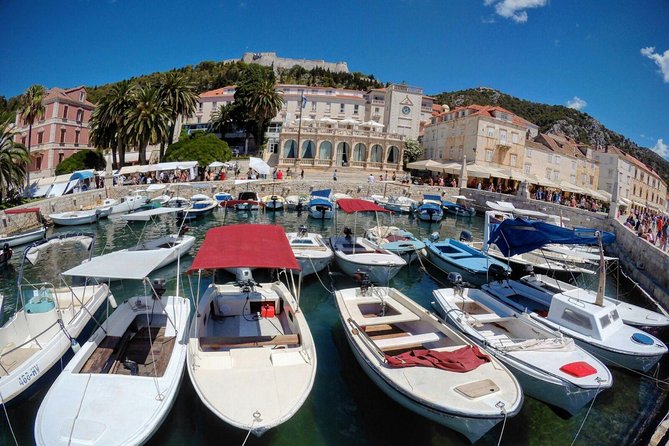
This is a smart format for people who want the romance of Croatia island hopping but don’t want to spend every morning solving logistics. You get an 8-day route that strings together Split, Hvar, Korčula, and Dubrovnik, with hotels for seven nights and the sea legs covered by ferry or catamaran tickets.
The best part is the rhythm: you’re not stuck in constant group mode. There are guided walking tours (Split and Dubrovnik) and then you get time to act like a local—slow meals, wandering side streets, and making your own choices when the mood hits.
The tradeoff is that you’re still dealing with real-world variables: weather can affect boat schedules, hotels can vary in location, and the experience depends on clear communication on arrival. If you’re the type who gets anxious when paperwork is late, go in with a plan to stay calm and flexible.
You can also read our reviews of more tours and experiences in Split.


Split Arrival and the Diocletian Palace Walking Tour
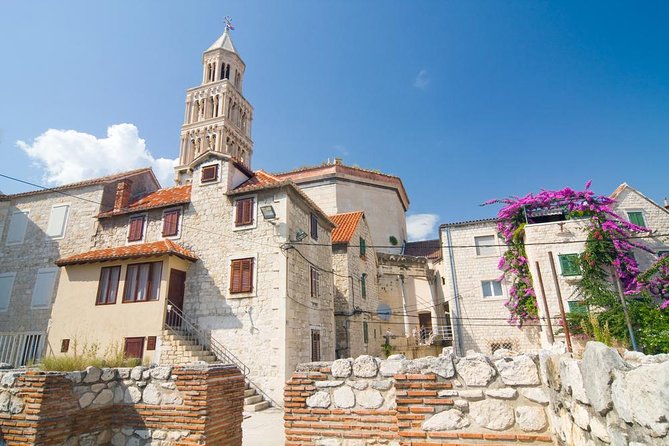
You start in Split, and you’ll be met for your transfer after landing. The driver waits in the arrivals hall in Split and holds a sign with your name, and you meet them after you collect luggage.
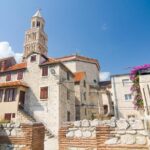
Day 1 is straightforward: get to your hotel in Split for the overnight and reset after travel. On Day 2, after breakfast, you head out for a late-morning walking tour of Split. The focus is Diocletian Palace, the Roman emperor’s retirement estate that today functions as the heart of a living city (about 3,000 residents call it home).
This kind of orientation walk is more valuable than it sounds. Split’s old core can feel like a maze if you go in blind. A good guide helps you connect the dots—where the entrances are, what you’re looking at, and why the architecture still shapes daily life.
In one past group experience, the Split guide was named Iris, and that name matters because it signals something practical: this isn’t just “look at the rocks” sightseeing. It’s the kind of guided start that makes the rest of the day feel easier.
Then comes the key move: you transfer from Split to Hvar by ferry or catamaran and spend the night in Hvar.
What to watch for: if your hotel doesn’t have immediate access to rooms, plan to use the first hours for getting oriented near the old town (and keep swimwear handy if you’re arriving in a warm season).
Hvar Island Time: Lavenders, Wines, and the Jet-Set Waterfront
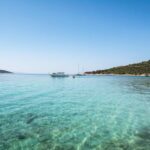
Hvar is the island that teaches you the difference between a place that’s famous and a place that’s fun. The island is known for lavender fields, oil production, and red wines grown on steep vineyards (the kind of terrain that turns wine into a full-time job). It’s also billed as Croatia’s sunniest island, which explains the long, golden evenings.
On Day 3, you explore the town of Hvar on your own. You’re not locked into a schedule, which is the smart part. This is the day to pick your pace: wander the waterfront, pop into the oldest theatre in Europe, and then choose a quiet corner when the crowds start doing crowd things.
You’ll also see why Hvar has a reputation that extends beyond summer parties. Organized tourism has deep roots here, and the town’s heritage goes past the glossy postcard. The waterfront energy is real, but you can find calmer pockets if you walk a little off the main drag.
Day 4 continues the “you decide” vibe. Breakfast at the hotel, then more free time. The itinerary suggests that you can branch out beyond Hvar town toward places like Jelsa (serene waterfront), the bridges area of Vrboska, and the Ivan Dolac vineyard zone.
In the afternoon, you say goodbye to Hvar and hop over to Korčula, arriving in the evening for an overnight in Korčula.
What to watch for: Hvar can be visually gorgeous and socially busy at the same time. If you love a lively scene, great. If you prefer quiet meals and empty-looking streets, aim to get out early and save your “people-watching” for the late afternoon.
Korčula Town: Venetian Lions and Medieval Street Corners
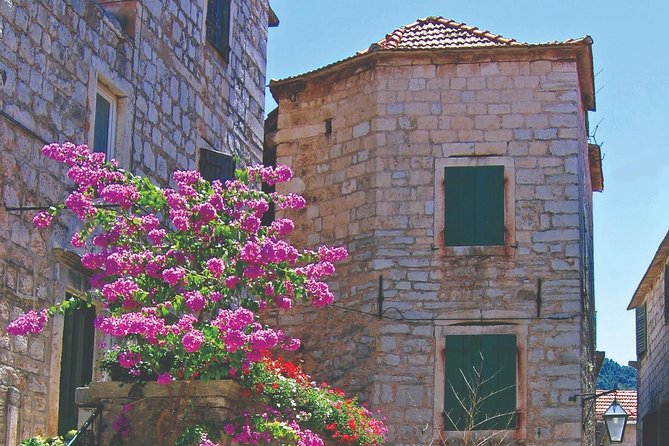
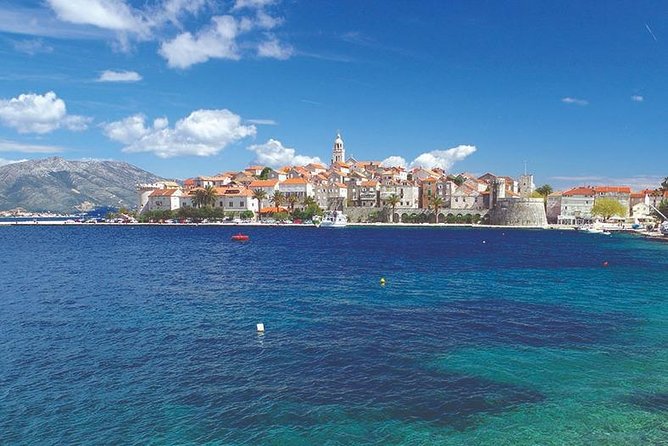
Korčula is where the trip shifts from “island glamour” to “medieval coast.” Day 5 starts in Korčula Town, a place that looks Venetian in a hurry. You’ll notice lion statues on facades and gates, a detail tied to its history as a Venetian stronghold.
What makes Korčula satisfying is the way the town holds onto its old shape. The plan gives you time to stroll narrow, curved streets, admire churches, and take in palaces that still feel like they’re guarding the town’s center.
There’s also a practical benefit to the Korčula stop: it’s a good break in the middle of the route. After Split’s orientation, Hvar’s island mood, and travel by boat, Korčula delivers that “slow down and look closer” atmosphere.
In early afternoon, you then transfer to Dubrovnik for an overnight.
What to watch for: Korčula arrives in the evening and Dubrovnik comes later that day. That means you’ll want comfy shoes and a flexible mindset about settling in quickly rather than unpacking like it’s a hotel resort.
Dubrovnik Old Town: UNESCO Stones, City Walls, and Srđ Views

Dubrovnik is the big finish for many people, and this itinerary treats it like it deserves attention. Day 6 is a full day to explore Dubrovnik Old Town, a UNESCO World Heritage Site.
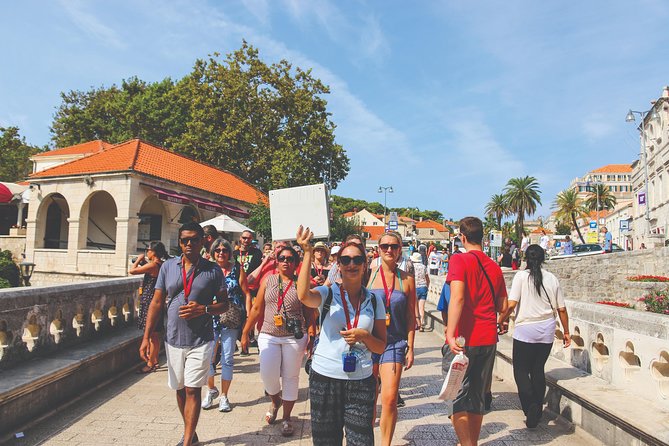
The tour format here is your friend. You start with breakfast, then you explore on your own, but you also get help through a walking tour in Dubrovnik that’s built into the overall included program. That mix is smart: you don’t just wander; you learn where the “anchor sights” are so you can build the day around them.
You can expect major landmarks like:
- Franciscan Monastery
- Church of St. Blaise
- Rector’s Palace
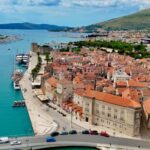
And the itinerary strongly pushes the two things that make Dubrovnik feel different from other coastal cities: city walls and the cable car up to Srđ hill. A wall walk changes how you understand the whole town. From the heights, you get the reason people obsess over the view—the shape of the coastline, the density of roofs, and the way the fortifications create an actual boundary between land and sea.
In one well-liked past experience, the Dubrovnik walking tour guide was named Ivanna, and that’s a good sign for quality. When a guide can help you read a complex old city layout fast, you lose less time and enjoy more.
What to watch for: Dubrovnik involves stairs and slopes. Even if your hotel is close on a map, it can feel uphill when you’re tired. Build your most active exploring for mornings, and keep evenings for easier wandering and dinner.



Lokrum and the Elaphites on Day 7: Serenity by Choice
Day 7 is your optional “choose your own adventure” day around Dubrovnik. The itinerary points to two easy-to-understand options:
1) Lokrum Island
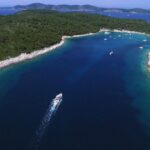
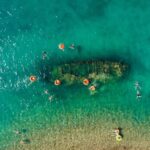
Lokrum is described as a short trip from Old Town Harbor. It’s known for holm oak, pine, and laurel forests, plus the island’s unusual permanent residents: peacocks and bunnies. It’s the kind of outing that feels like a break from city stone—less about big sights, more about breathing space.
2) Elaphite Archipelago
The Elaphite area is framed as a day excursion with sandy beaches, heritage, hiking trails, and good food. If you want more movement—walking trails and beach time—you’ll probably like this direction.
The big benefit of Day 7 being flexible is that you’re not forcing a single “one size fits all” excursion. You pick based on what your legs and mood can handle.
What to watch for: because you’re making a choice, you’ll want to keep your planning realistic. If you’ve walked the walls the day before and your Dubrovnik evenings turn into long dinners, choose the option that doesn’t require too much early scrambling.
Transfers, Boats, and the Pace of Daily Life
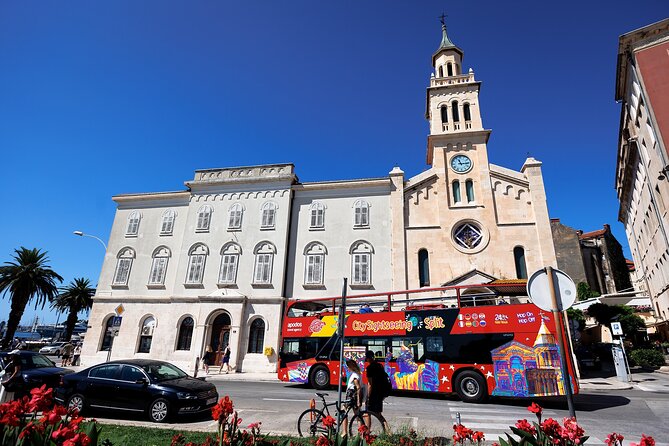
This trip runs on transfers and shared logistics, not private chauffeuring all day. You’ll use pickups for getting between Split, the islands, and Dubrovnik, and the plan includes assistance with boat/ferry/catamaran tickets, including delivery or similar support during the program.
One past group experience praised the operation for being punctual, with drivers who were friendly and helpful. That matters. In island hopping, small delays compound fast—miss the wrong connection and suddenly you’re spending an evening hunting down a plan.
Weather can also play a role. In one documented scenario, a catamaran didn’t depart from Hvar due to weather, and the team arranged an alternative route quickly. That’s the kind of contingency you want to have available.
Group size is kept small: maximum 10 travelers. That tends to help with noise and confusion at meeting points, especially when you’re navigating ferry terminals and old-town streets.
What to watch for: boat terminals and hotel entrances are not always “tour group friendly.” If early hotel access isn’t available, you might need to drop bags and wait a bit. In one past experience, guests were told they needed to arrange things like early check-in availability rather than receiving guaranteed access.
Hotels: 3- or 4-Star Comfort With Real Tradeoffs
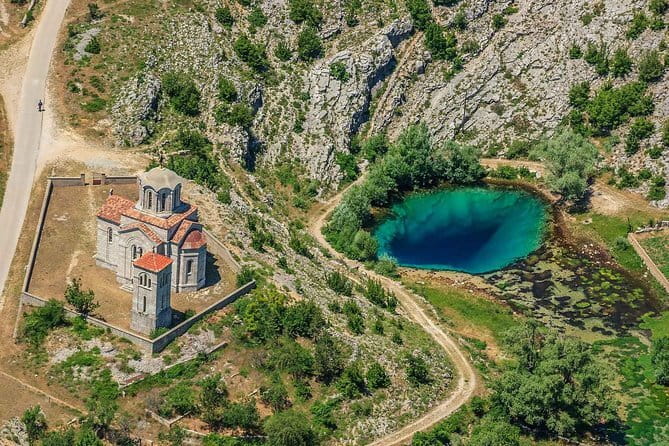
Hotels are included for seven nights, in a 3- or 4-star category. The best-case scenario is that each hotel is within walking distance of the old town areas.
And yes, some past experiences describe that very scenario: hotels located near old towns, with good access for morning wandering and easy return for quick breaks.
But another past experience was more critical. One group reported:
- Hotel Globo in Split felt remote, surrounded by empty spaces, about 15 minutes from the most beautiful part of town
- Hotel Lero in Dubrovnik was about 20 minutes walk to town, with a noticeably uphill return
- Room size and cleanliness were called into question in that case, with very small bathroom space
Meanwhile, that same critical review said the hotel in Hvar had a perfect location.
So here’s the honest takeaway: this trip’s value depends on where your specific hotels land. The tour is designed to reduce your planning stress, but it can’t guarantee you’ll love every hotel location.
How to protect yourself: confirm the hotel names before you go, look up where they are relative to the old town, and assume some Dubrovnik evenings will involve walking uphill.
Price and Value: Why This Cost Can Make Sense
At $1,483.31 per person, you’re paying for a lot more than a bundle of ferries. Based on what’s included, your money supports:
- Arrival transfer from Split Airport (or your Split hotel)
- Departure transfer to Dubrovnik Airport (or Dubrovnik hotel)
- Seven nights in included hotels
- Boat/ferry/catamaran tickets between stops
- Assistance with ticket delivery during the program
- Shared transfers in Split, Hvar, Korčula, and Dubrovnik
- A walking tour in Dubrovnik
- Breakfast (5)
If you tried to DIY this route, you’d spend time coordinating hotel check-ins, ferry times, ticket purchases, and the daily transfer beats. Even when everything “works,” that planning load is real. This tour removes a big chunk of that work.
Still, hotels are the swing factor. If you’re the type who cares deeply about being right in the center, you might feel the price more sharply if a hotel is far from the old town core.
Bottom line: the price feels fair when you want structure and you’re okay treating hotel quality and location as a variable.
Who Should Book This Tour (and Who Might Not)
This works well for you if:
- You want independent island time but don’t want to manage ferry schedules and transfers every day
- You’re drawn to Split’s Diocletian Palace, Korčula’s medieval lanes, and Dubrovnik’s Old Town + walls + Srđ cable car
- You like a mix of guided orientation and then roaming at your pace
- You’re comfortable with walking and some hills (especially in Dubrovnik)
It may feel less ideal if:
- You hate uncertainty around early check-in or you expect perfect smoothness on paperwork
- You need your hotel to be right in the middle of the action every night
- You’re sensitive to stairs and long uphill returns after long days
Given the maximum group size of 10, it’s also a good option if you dislike big buses and loud group dynamics.
Should You Book This Croatia Island Hopping Tour?
Yes, if you want the Dalmatian highlights without turning your trip into a spreadsheet. The route makes sense: Split for orientation, Hvar for island variety, Korčula for medieval charm, and Dubrovnik for UNESCO-level payoff with walls and Srđ.
Book with extra care if your priorities are hotel location above all. This is a fantastic itinerary shape, but hotel experience can vary. Also, go in ready for possible early admin hiccups and bring patience for check-in timing details.
If you’re flexible, this is one of the better ways to experience the islands—because you get that rare combination of guided anchors and free days to shape the trip yourself.
FAQ
How long is the Croatia Island Hopping: Dalmatia from Split tour?
It’s approximately 8 days.
Where does the tour start and end?
It starts in Split (including Split Airport) and ends with a transfer to Dubrovnik Airport (or other accommodation in Dubrovnik).
What’s included in the price?
Included are arrival and departure transfers, seven nights of hotel accommodation, boat/ferry/catamaran tickets, shared transfers in Split, Hvar, Korčula, and Dubrovnik, assistance with tickets during the program, and a walking tour in Dubrovnik. Breakfast is included for 5 days.
Are ferries or catamarans part of the trip between islands?
Yes. The itinerary includes boat/ferry/catamaran travel between Split and Hvar, Hvar and Korčula, and then onward to Dubrovnik.
Is there time to explore independently in Hvar, Korčula, and Dubrovnik?
Yes. After the walking tours and transfers, you have time to explore on your own in Hvar and Korčula, and you also spend your Dubrovnik day discovering the Old Town independently.
Can I choose an excursion from Dubrovnik?
Yes. The itinerary offers an excursion option to Lokrum Island or the Elafiti Islands.
What is the cancellation policy?
You can cancel up to 6 days in advance for a full refund. Cancel 2–6 days before for a 50% refund. Cancel less than 2 days before and the amount paid is not refunded.