REVIEW · WANAKA
Mou Waho Island Cruise and Guided Nature Walk
Book on Viator →Operated by Cruise Lake Wanaka Ltd · Bookable on Viator
Mou Waho mixes boat ride and bird watching fast. I love that you get crystal views over Lake Wanaka while local guides explain why this island matters, not just what you are looking at. You also enjoy the guided hike on predator-free ground, with enough time at the top to slow down and take photos. One possible drawback: the walk involves steep, uneven sections, so you’ll want solid fitness and proper footwear.
This is built as a short, high-payoff outing: a morning catamaran cruise, a guided island walk, then time for stops that feel scenic and slightly surreal. I especially like the focus on conservation and local history, with guides naming what you’re seeing and why it is protected. If weather turns rough, the boat ride can feel choppy, and the hike can be damp underfoot.
Finally, it is small-group friendly (maximum 15), which makes the bird-and-biology talk feel human instead of rushed. Just be aware you start early—boarding begins at 8:45 am—and there is no hotel pickup, so you need to get yourself to the lakefront meeting point.
In This Review
- Key things to know before you go
- Why Mou Waho feels special on Lake Wanaka
- Getting on the boat: Lake Wanaka cruise in a small group
- Ruby Island pass: the 1920s dance hall detail
- Mou Waho Island walk: birds, geology, and a real climb
- Arethusa Pool at the top: the little lake-within-a-lake effect
- The Roys Bay return: timing for a real break
- Price and value: is $111.08 worth it?
- How to prepare: footwear, weather, and pacing
- Who this tour suits best (and who should skip it)
- Should you book the Mou Waho cruise and guided nature walk?
- FAQ
- How long is the Mou Waho cruise and guided nature walk?
- Where do I meet for the tour?
- What time should I arrive?
- What is included in the price?
- Is hotel pickup included?
- How strenuous is the walk on Mou Waho?
- What should I know about weather?
- What wildlife can I expect to see?
Key things to know before you go
- Predator-free nature reserve: the island is protected so rare native birds can survive where mainland populations have collapsed.
- Small-group feel: capped at 15 travelers, so you get more guide attention and easier photo stops.
- Short cruise, long payoff: you get a full morning plan in about 3 hours.
- Steep-but-manageable hike: the track includes a climb to a viewpoint; it is worth it, but it is not a stroll.
- Weather matters: the tour runs in all weather, so you’ll want layers and non-slip shoes.
- Local guidance: guides like Jaimie or Toby (among others) share bird, plant, and island history in a way that stays practical.
Why Mou Waho feels special on Lake Wanaka
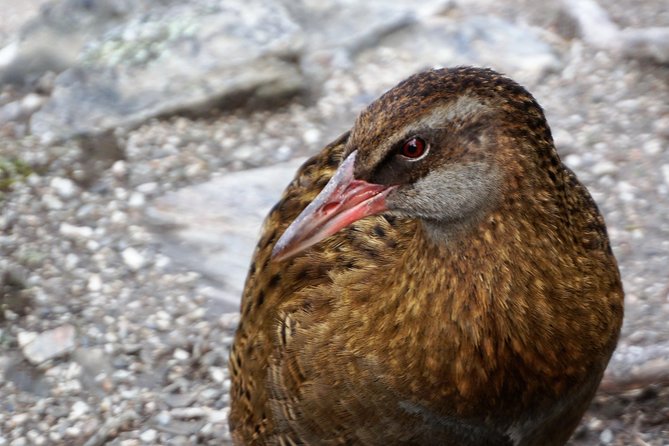
Mou Waho is one of those places that makes you understand conservation in your legs and your eyes. The point isn’t just scenery. It is the island’s protection: without introduced predators, native birds can live and you can sometimes spot species that are otherwise gone from mainland New Zealand.
The cruise-to-walk format also helps. You are not commuting all day to reach one viewpoint. You get the best part right away: Lake Wanaka is calm and scenic from the water, and then the island gives you a compact hike with big views. It is the kind of half-day plan that works well when you want something more than a quick photo stop.
And since the tour has morning tea included, it feels like a real outing, not just a transit from one activity to another. If you like your nature days guided and focused, this hits the sweet spot.
You can also read our reviews of more tours and experiences in Wanaka.
Getting on the boat: Lake Wanaka cruise in a small group
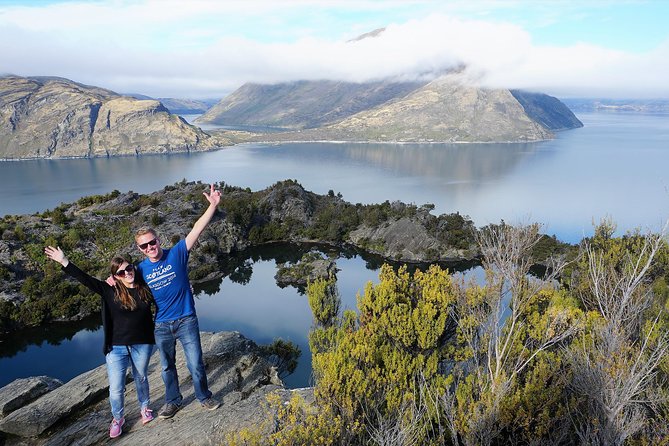
The morning starts at Lake Wanaka Cruises at 100 Ardmore Street, Wānaka. Boarding begins at 8:45 am, and the tour starts at 9:00 am, so build in a little buffer. There is no hotel pickup, which keeps the tour efficient, but it means you need to be at the dock on time.
You’re cruising on Lake Wanaka to Mou Waho on a small catamaran, with a skipper providing commentary along the way. The ride is typically around 30 minutes each way, so it does not drag. Still, it is water travel—if the wind and waves show up, expect the first part to feel a bit rough. People often describe it as choppy in bigger waves, especially during rain. The good news: you are not stuck out there for hours. The adventure stays contained.
A small-group format (up to 15) matters here. On a bigger boat, bird talk and photo stops get lost in the noise. With a smaller group, you can actually hear the skipper’s notes and get positioned for the best angles on the water.
Ruby Island pass: the 1920s dance hall detail
On the way out, you pass Ruby Island, where there is a 1920s dance hall on top. Even if you do not step onto Ruby, this is one of those quick, memorable notes that adds texture to the day. Lake Wanaka is not only dramatic scenery; it also has human stories layered into the islands and shoreline.
What this does for your experience: it prevents the day from becoming purely biological. You get a sense of how people used these places too—then you reach Mou Waho, where the focus flips back to birds and habitat.
If you’re the kind of traveler who likes small historical sidebars without turning the day into a lecture, this is exactly the right amount.
Mou Waho Island walk: birds, geology, and a real climb
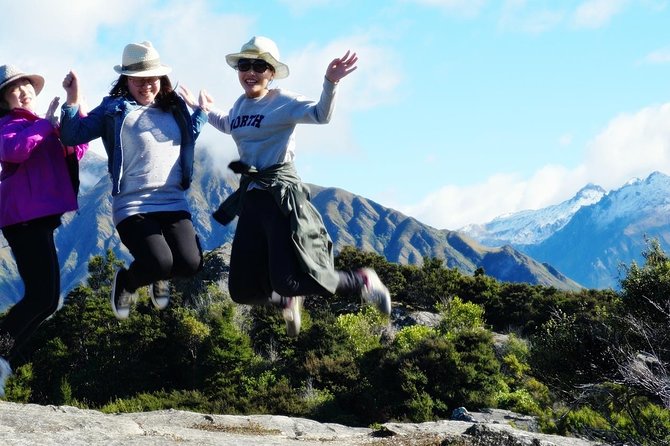
Once you arrive, the guided portion becomes the main event. You head ashore for a walk on the predator-free Mou Waho Island Nature Reserve, with the guide explaining what you are seeing—geology, biology, and island history.
Expect about 1 hour 40 minutes of island time. The track is generally described as well-formed, but there is a climb that gets steep at points. That is the part to respect. People mention damp sections sometimes, which means slick footing can sneak up on you. Proper shoes help a lot.
The reason this walk is so highly rated is simple: the birds. You are in a sanctuary designed to protect them from introduced pests, and that changes what is possible. Guides often help you spot species such as weka, the flightless bird about the size of a farm chicken. You can also get close enough for satisfying views and photos when luck and timing line up.
Here’s what I’d tell you to watch for on the hike:
- Bird movement, not just bird presence. Look for quick shifts in leaf cover and low foraging behavior.
- Plants and habitat along the way. Guides connect the vegetation to why certain birds can thrive.
- The viewpoint rhythm. Stop when the guide tells you to. The walk feels shorter when you pause instead of grinding upward.
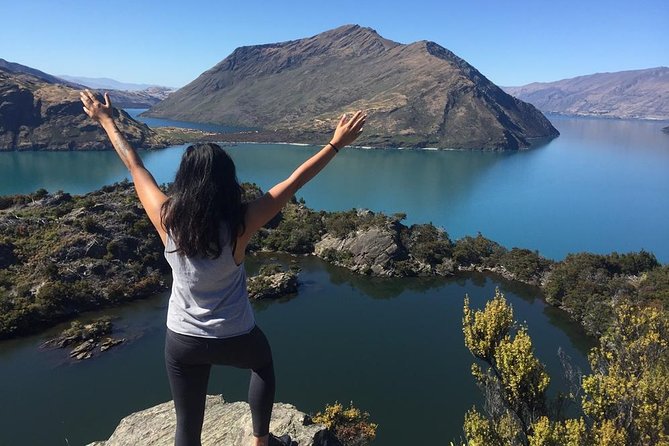
Photo fans will like this part. The island offers wide angles in multiple directions, not only from the very top. But the real pay-off comes when you get higher and can scan across the lake.
Possible drawback: the climb means you should pace yourself. Even fit travelers say it raises your heart rate. If you have age or medical limits, take the guide’s fitness warning seriously.
Arethusa Pool at the top: the little lake-within-a-lake effect
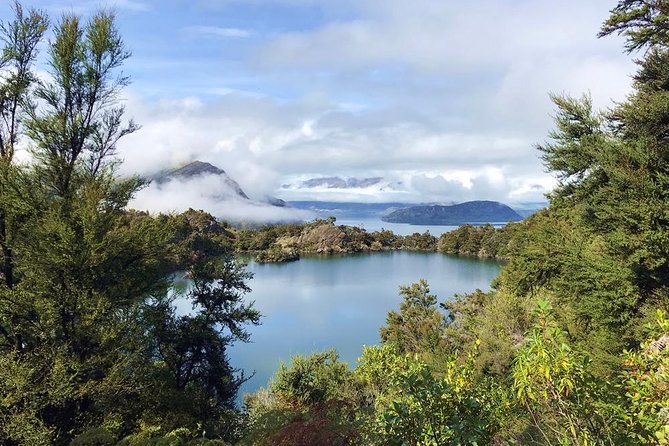
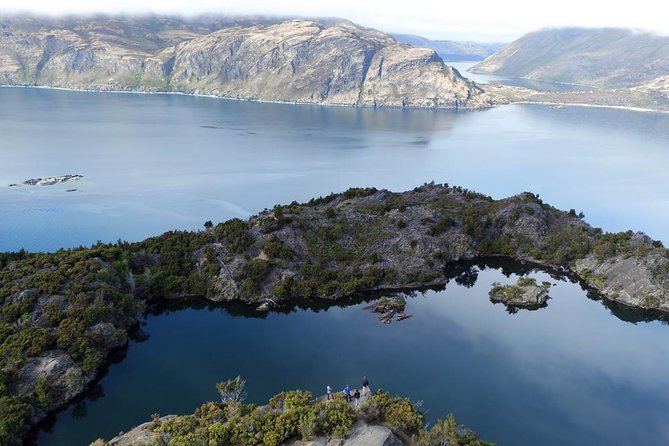
After the main viewpoint climb, you make time for Arethusa Pool, a natural glacial lake with small islands in it. This is one of those scenes that feels a bit impossible at first glance: islands in a lake, on an island in a lake, on an island in an ocean.
Your time here is short—about 20 minutes—so use it intentionally. This is when you slow down for photos and for that quiet moment after the climb. If you’re lucky, you’ll also get a change in perspective on the surrounding water from the island’s higher ground.
Even if you are not a “pool person,” this stop works because it is visual proof of the island’s glacial story. You’re seeing the result of ancient geology, then immediately back in protected habitat mode.
A small practical note: because it is at the top of the island, conditions can feel different than at the shoreline. Wear layers even on mild days.
The Roys Bay return: timing for a real break
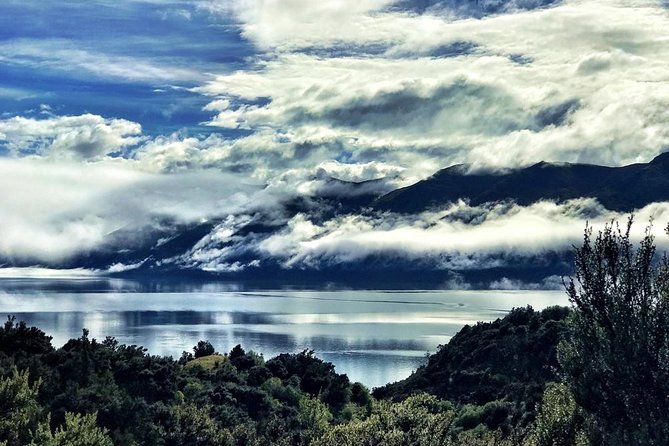
You cruise back toward Roys Bay, Wānaka, with about 30 minutes on the water. This is your decompression period. If you were focused on the hike, you’ll appreciate the ride back for reset time.
The schedule also builds in time to stop for lunch at Roys Bay. The tour includes morning tea, but lunch itself is not clearly listed as included. So plan on paying for it there if you want a full meal rather than a snack.
This is a nice finish because it brings you back to a familiar area instead of leaving you far from services. You end right back at the meeting point area, making it easier to tack on the rest of your day in Wānaka.
Price and value: is $111.08 worth it?
At $111.08 per person, you’re paying for a mix of boat transport, guide time, and conservation-driven access (including Department of Conservation park fees). You also get morning tea, which sounds small but feels like a thoughtful add-on on a morning out.
If you compare what it costs to:
- rent a boat,
- pay for a guide just to interpret a protected nature reserve,
- and purchase access that supports conservation,
this price starts to make sense. You’re not just buying a view; you’re paying for the full package: cruise, guided walk, and park access tied to the island’s protection work.
What helps the value even more: the small group cap at 15 and the guided pace. You’re more likely to actually understand what you saw—birds, habitat, and island history—rather than just rush through it.
The main reason value can feel lower for some people is the fitness factor. If you arrive expecting an easy walk, you’ll feel disappointed by the steep sections. But if you show up ready to hike moderately, it’s a strong morning for your money.
How to prepare: footwear, weather, and pacing
Good preparation turns this from tiring to enjoyable.
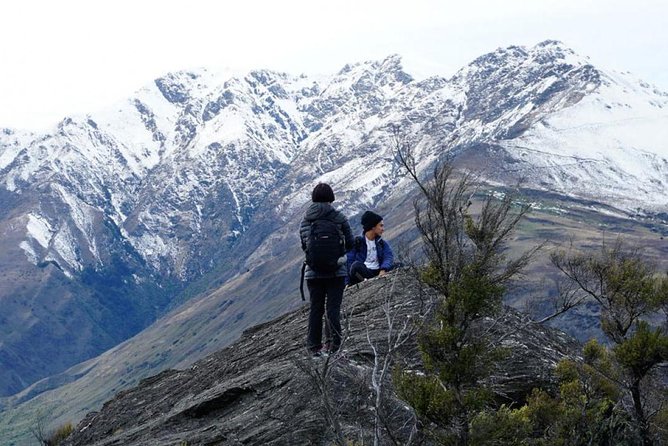
Footwear matters. Even when conditions are good, people note steep and occasionally damp sections. Wear shoes with grip. If you only bring thin sneakers, you might feel it on the climb back down.
Bring layers. Lake Wanaka weather can shift fast. Even a mild morning can turn cooler on the water, and rain can make the boat ride feel more intense.
Pace yourself early. The climb is where effort concentrates. Take short breaks if you need them. People even mention taking stops to catch breath on the way up, including older travelers who still made it to the top.
Go with your expectations right. This is rated highly because it hits rare-bird chances and good viewpoints. But it is not guaranteed you’ll see every species. The birds are wild, and timing matters. Still, the whole guide-led search and interpretation experience is worth it even when you see fewer birds.
Who this tour suits best (and who should skip it)
This works best for you if:
- you want a short morning adventure that combines boat, hike, and wildlife education,
- you are comfortable with a moderately strenuous climb,
- you enjoy guided nature time (plants, birds, island history),
- you like small group experiences where you can hear and ask questions.
You might think twice if:
- you have mobility limits or any medical conditions that make steep climbs risky,
- you expect an easy flat walk,
- you get nervous on rough water, because the boat ride can be choppy in bigger waves.
Should you book the Mou Waho cruise and guided nature walk?
If you’re in Wānaka and you want one activity that truly uses the lake’s special geography—protected island habitat, rare birds, and a viewpoint hike—this is an easy yes. The small group size, the included park access, and the guide-led focus on what makes Mou Waho different are the reasons this morning outing gets such consistently high marks.
Book it if you can handle a steep climb and you pack the right shoes. Skip it if steep terrain would be a problem for you, or if you want something fully flat and gentle. For the right fitness level, it is one of the best ways to turn Lake Wanaka into a living, protected nature experience instead of just a scenic drive.
FAQ
How long is the Mou Waho cruise and guided nature walk?
The full experience is about 3 hours.
Where do I meet for the tour?
You meet at Lake Wanaka Cruises, 100 Ardmore Street, Wānaka 9305. The tour ends back at the same meeting point.
What time should I arrive?
Boarding starts at 8:45 am, and you may not be admitted if you are not present at that time.
What is included in the price?
You get the cruise and guided island walk, plus Department of Conservation park fees, GST, all taxes/fees/handling charges, and morning tea. A mobile ticket is used.
Is hotel pickup included?
No. Hotel pickup and drop-off are not included.
How strenuous is the walk on Mou Waho?
You should have a strong physical fitness level. The walk includes steep climbs and some uneven sections, so it is not suitable for people who cannot manage moderate hiking.
What should I know about weather?
The tour runs subject to favorable weather. If canceled due to poor weather, you’ll be offered an alternative date or a full refund. Some conditions can also make the boat ride feel rough and the island walk damp.
What wildlife can I expect to see?
You’re visiting a predator-free reserve where rare native birds live. Species mentioned include weka, and the island is known for birds that are extinct on mainland New Zealand.