REVIEW · PANGLAO
Panglao: Island Hopping w/Balicasag (Shared)
Book on GetYourGuide →Operated by TravelExplr Travel and Tours · Bookable on GetYourGuide
Sunrise on Panglao sets the pace. This shared island-hopping run pairs dolphin watching with a Balicasag snorkeling stop where you’ll see coral and tropical fish, plus fish feeding. I especially like that your tour includes the reef-entry and the snorkeling gear basics (mask and life vest), so you don’t burn time or money on extras before you hit the water. The main thing to plan for is that dolphins are never guaranteed, and snorkeling can vary with weather and the protected reef area.
You get a full half-day of sea time: short boat hops, ocean views, and a focused nature schedule. For most people, that mix feels like good value for Panglao, especially if you’re okay with sharing a group and moving on a set timetable. Still, the snorkeling route can feel limited depending on visibility and how much the protected zone affects where you’re allowed to swim.
If you like early starts and calm, practical planning, this one works. If you hate schedules, or you want a guaranteed wild-animal moment every minute, I’d adjust expectations.
In This Review
- Key things I’d clock before you go
- 6:00 AM dolphin watching from Panglao: the timing game
- Meeting at McDonald’s Alona: how to find your guide fast
- Shared boat island hopping: what you get in 5 hours
- Dolphin watching: what the morning looks like on the water
- Balicasag Island: snorkeling with coral, fish, and close encounters
- What snorkeling setup you’ll have
- What you might see (and why it can feel “limited”)
- Fish feeding: a small program detail with big impact
- Between stops: how to make the “sea time” enjoyable
- What to bring (and what not to forget)
- Price and value: is $45 fair for this format?
- Who this shared tour suits best
- Should you book Panglao island hopping with Balicasag?
- FAQ
- What is the duration of this Panglao tour?
- Where do I meet the tour?
- What time does the tour start?
- What’s included for snorkeling?
- What’s included in the price?
- Are meals included?
- Can I cancel if my plans change?
Key things I’d clock before you go
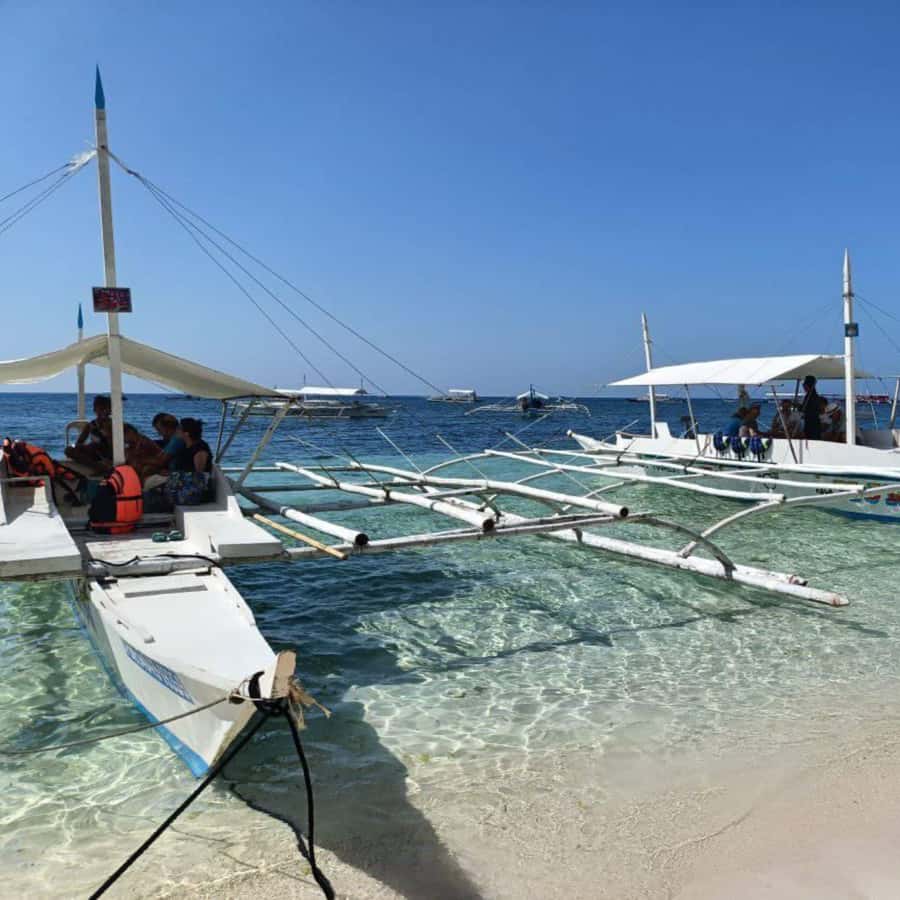
- 6:00 AM dolphin watching: you’re out early for a reason, but sightings aren’t guaranteed
- Balicasag Island entrance included: less waiting, more time on the water
- Snorkel gear basics included: mask and life vest are covered; bring fins if you prefer
- Fish feeding is part of the program: you may get closer marine moments near feeding time
- Shared boat format: you’ll trade privacy for a lower per-person price
- Finish at Alona Beach: easy end to a beach day, not a random drop-off
6:00 AM dolphin watching from Panglao: the timing game
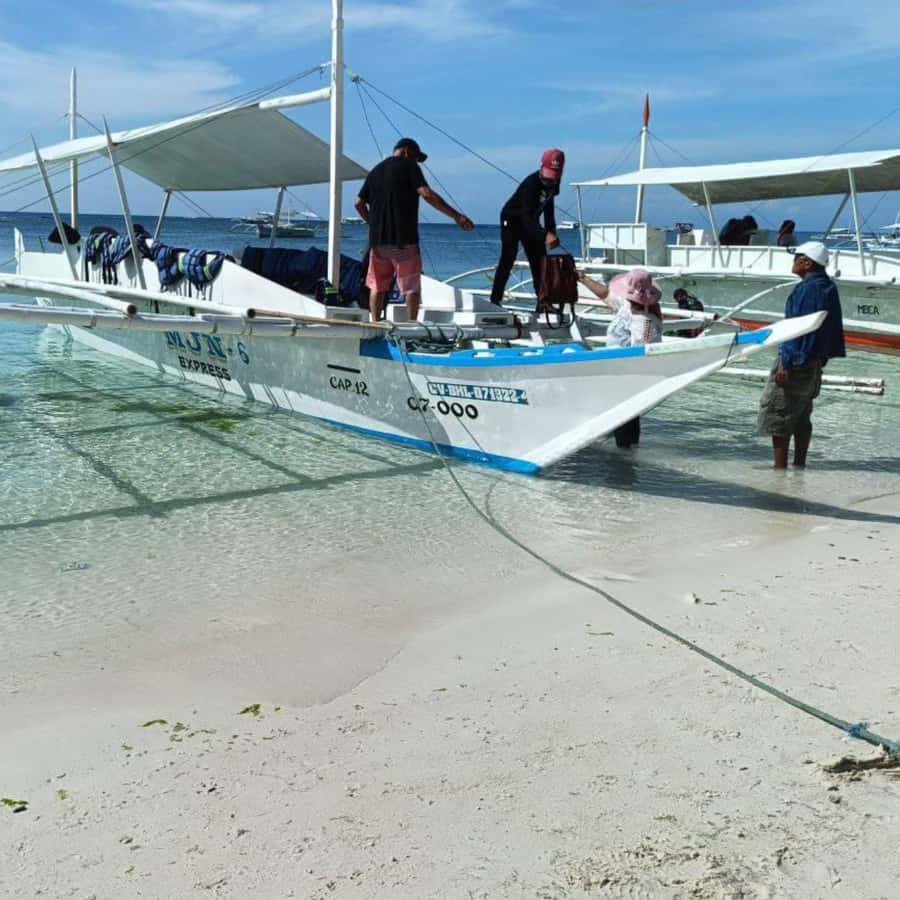
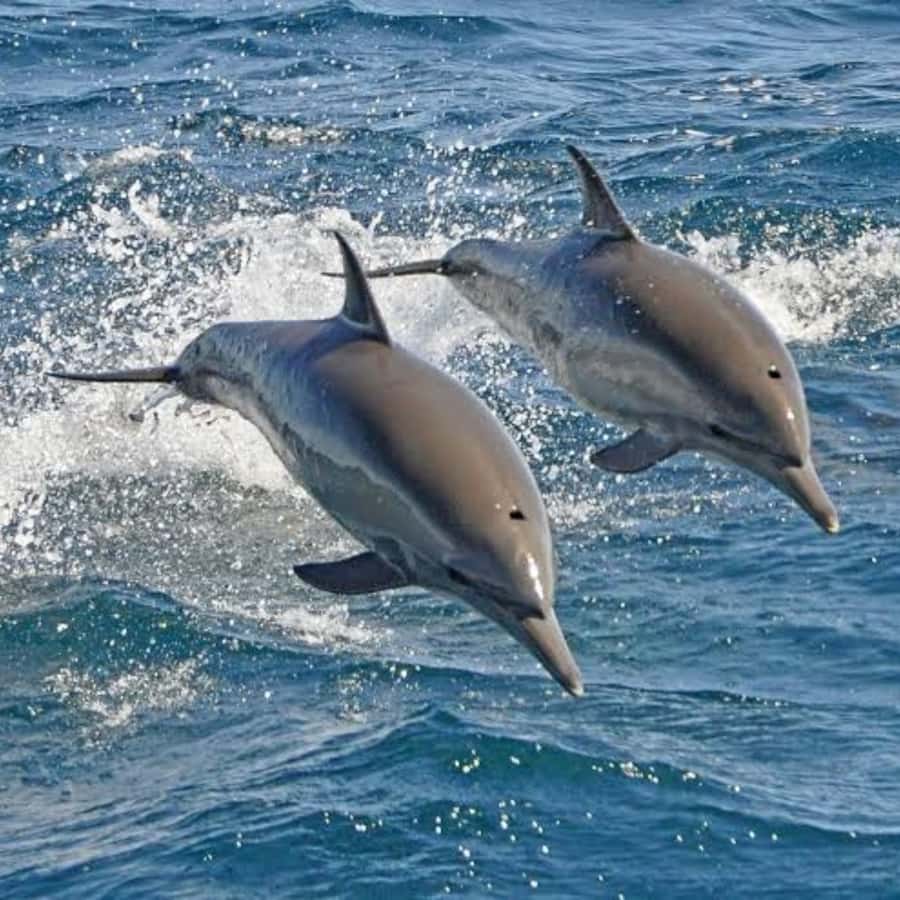
This tour starts at 6:00 AM, and that’s not just a detail—it’s the whole strategy. Dolphins tend to be most active earlier in the day, and you’ll be on the water while the sea is still cooler and the light is fresh. Expect the morning to feel brisk. Even if you’re warm from the night air in Bohol, you’ll likely want sunscreen already on by the time you’re dealing with boat deck time.
Here’s the honest part: dolphin sightings can go either way. One traveler noted they couldn’t see dolphins that day, even though the tour ran as scheduled. That’s why I think it’s smart to treat dolphin watching as a chance at magic, not a checklist item you can demand results for.
You can also read our reviews of more tours and experiences in Panglao.
Meeting at McDonald’s Alona: how to find your guide fast
Your meetup point is in front of McDonald’s Alona, Panglao. If you’re arriving by car, van, or tuktuk, tell your driver you want to be dropped at McDonald’s Alona. A guide will meet you and display your name.
Why I like this approach: it’s simple. No complicated landmark hunt. Also, because the guide is expecting a group, you’ll usually be able to spot them quickly and get moving. The tour note also mentions South Beach, Panglao, Bohol, which fits the same Alona-area meeting point—so plan to be at the McDonald’s area by the stated start time.
Shared boat island hopping: what you get in 5 hours
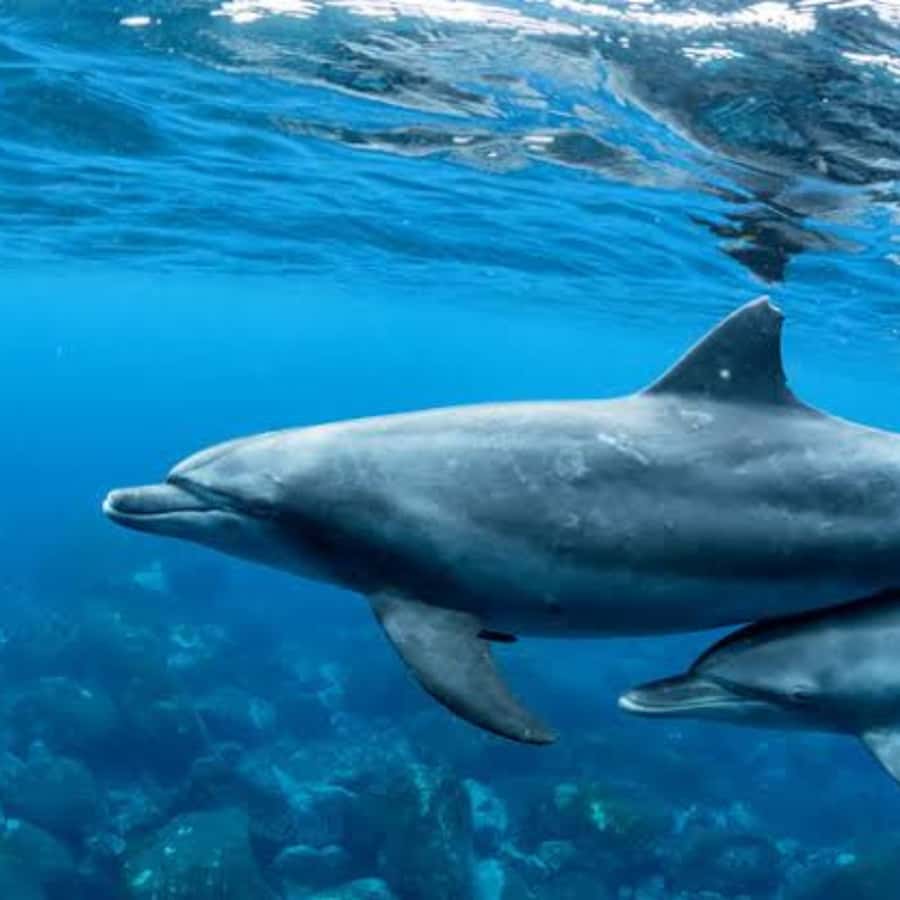
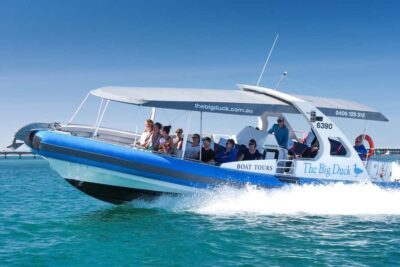
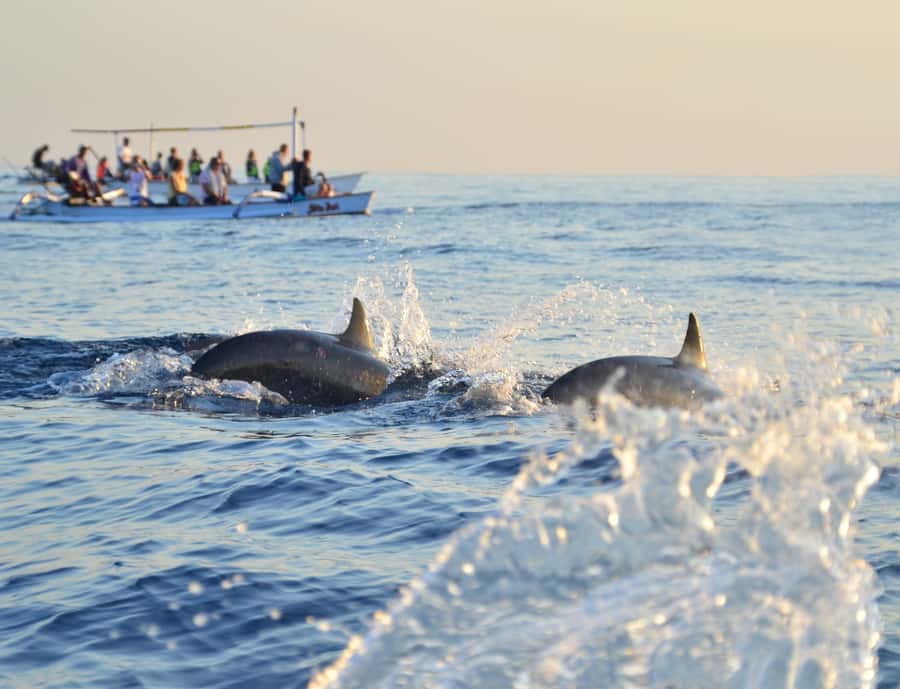
The entire experience is listed as 5 hours, and it’s built for motion. You’re on a shared boat with a driver, and the itinerary keeps the day tight: one early wildlife segment, then straight to Balicasag, then back to Alona Beach for the finish.
A shared boat usually means:
- You might have a mix of swimming comfort levels in the group.
- The crew will keep the pace moving to hit the schedule.
- You’ll spend more time watching the ocean and less time doing long, slow lounging.
For many people, that’s a win. Panglao is water-heavy—so this format helps you sample the best parts without turning the day into an all-day marathon.
Dolphin watching: what the morning looks like on the water
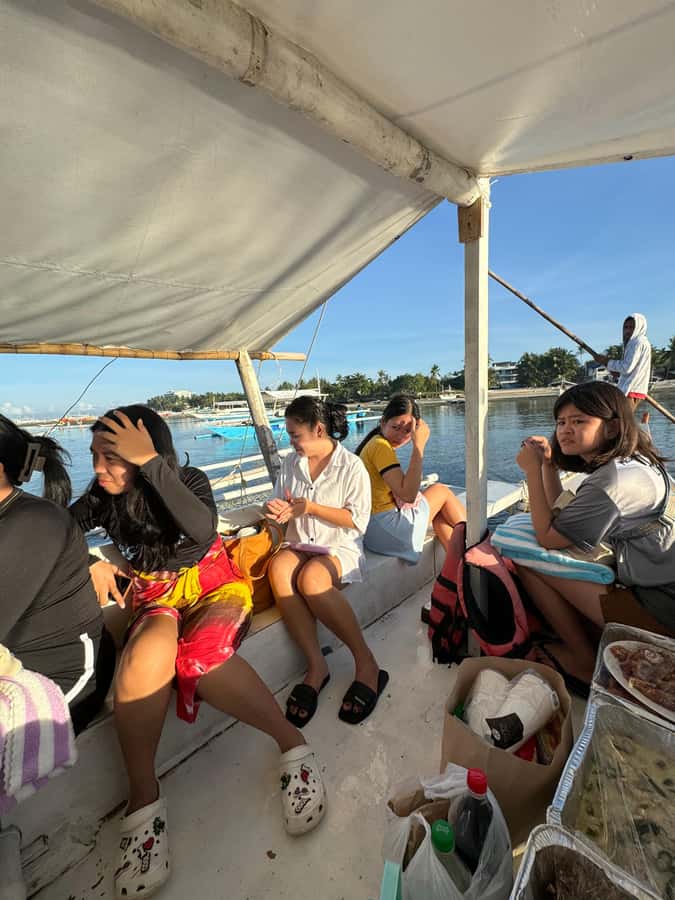
Right after you meet, you’ll head to the area for dolphin watching as the sun rises. The idea is straightforward: you look, you wait, and you watch for movement on the surface. When dolphins do show up, it’s the kind of moment you can’t replicate at a beach restaurant. It’s movement, instinct, and the ocean doing its thing.
But remember the drawback from real-world experience: visibility and conditions matter, and dolphins might not appear on cue. One traveler also mentioned the day was cloudy, and that kind of weather can also affect how the sea looks later for snorkeling. So if you’re traveling with the mindset that cloudy means bad luck, recalibrate: it might affect clarity, but it won’t necessarily ruin the day.
Practical tip: bring your eyes. If you’re the type to keep your phone out all the time, try alternating. Look for fins and quick surface changes first, then record when you get a clear moment.
Balicasag Island: snorkeling with coral, fish, and close encounters
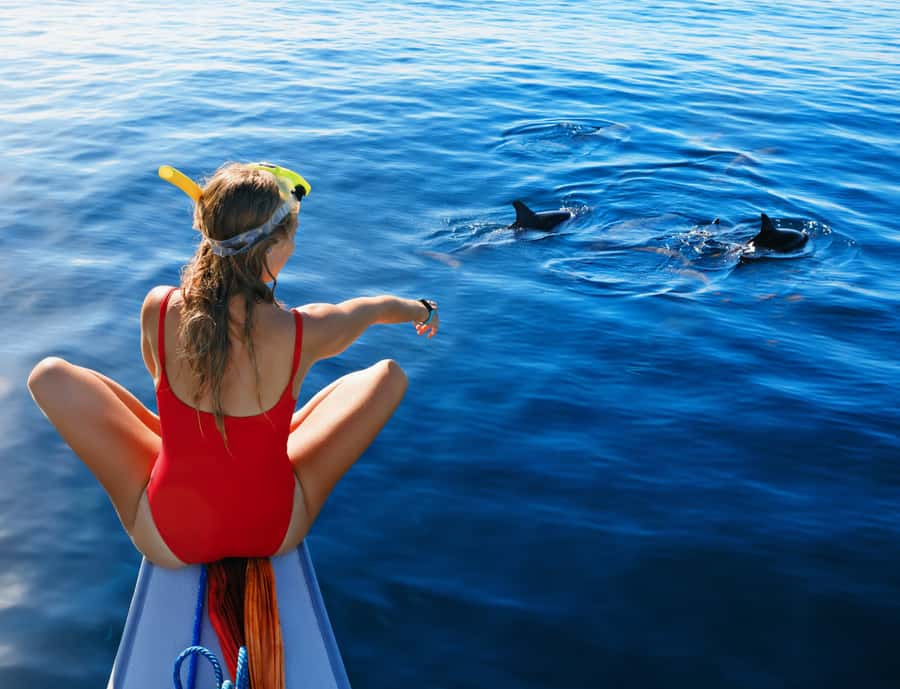
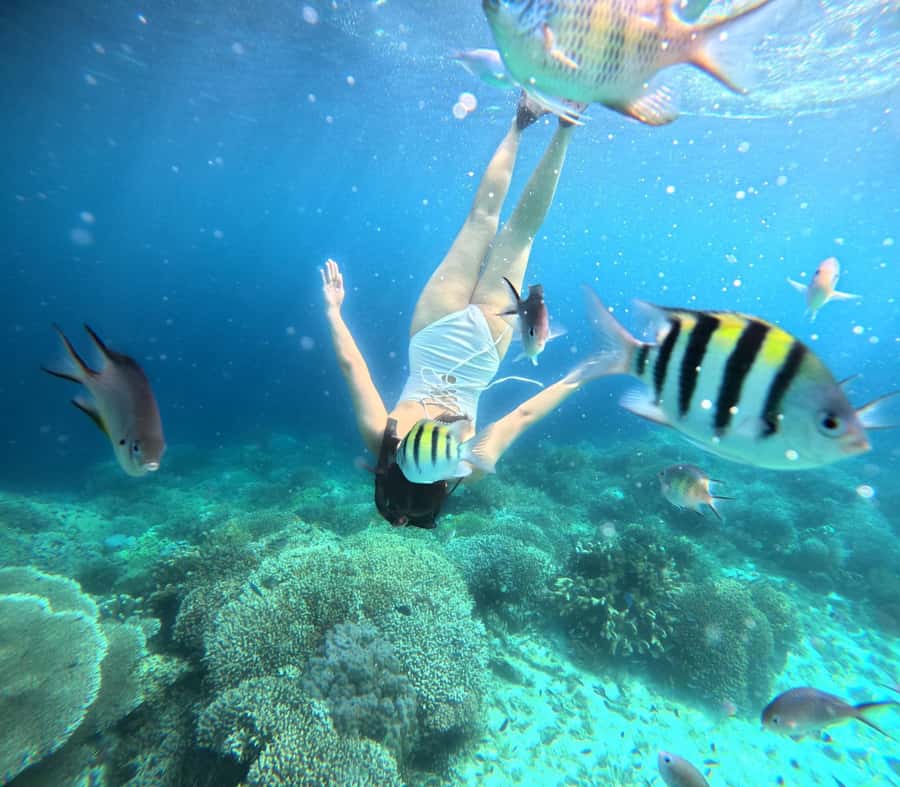
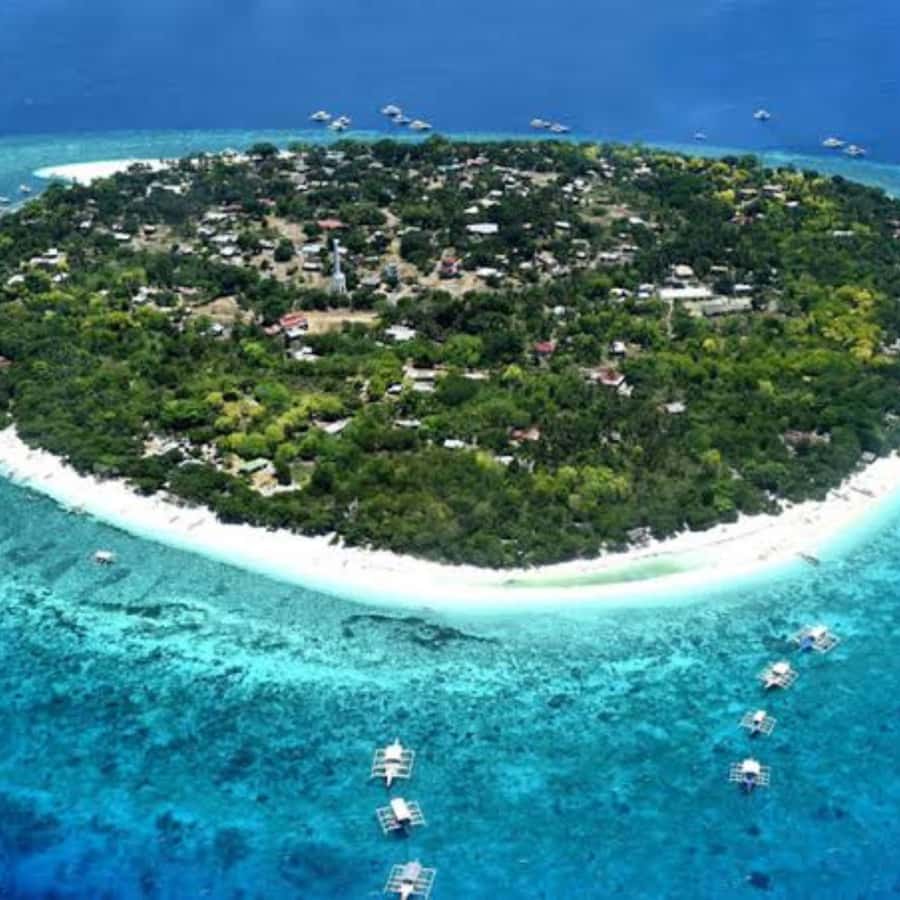
After the dolphin portion, you’ll go to Balicasag Island, the main highlight for many snorkelers. The pitch is all about the underwater scene: clear water, coral formations, and schools of tropical fish. This is where the day earns its name as an island-hopping tour and not just a boat ride.
What snorkeling setup you’ll have
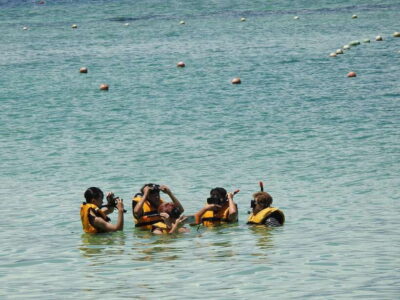
Good news: snorkeling mask and life vest are included. The one thing you still need to think about is fins. Fins are not included, so if you want better control, bring your own or be ready to move more slowly in basic gear.
What you might see (and why it can feel “limited”)
A snorkeling traveler mentioned that the snorkeling area is protected, so you can’t access everything. That can change the experience. You might get plenty of fish, but you’ll also feel like there’s a boundary around where you’re allowed. If you’re hoping for a free-for-all swim over every part of the reef, the protected setup will temper that.
Visibility matters too. In the same note, cloudy skies and snorkeling at depth (where allowed) made the view less clear. You can’t control the weather, but you can set expectations: some days look razor-sharp, and other days look good but not postcard-perfect.
Fish feeding: a small program detail with big impact
Fish feeding is included, and that’s one of the smart touches in the plan. When feeding happens (timing depends on the crew), fish can gather closer to snorkelers, giving you a better chance at that close-encounter feeling without requiring advanced diving skills.
One traveler’s notes also referenced turtles, which hints that the marine life variety can include larger visitors, not only small reef fish. Just keep your expectations flexible. Reef life has its own schedule.
Between stops: how to make the “sea time” enjoyable
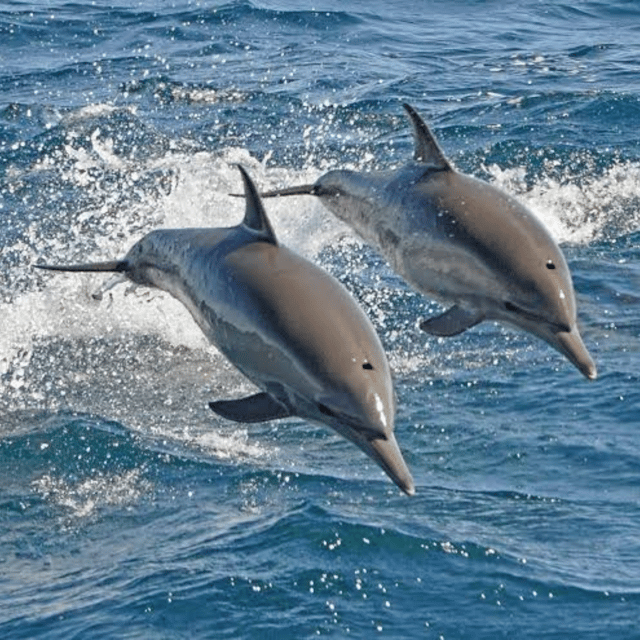
Your tour is built around boat movement, and you’ll travel between spots over open water. This is where you’ll enjoy the real Panglao “island” feeling: wide horizons, changing light, and the feeling that you’re actually leaving the beach behind.
Practical note: bring sunscreen early. Morning sun can still be strong once the boat is moving and you’re near the water reflecting daylight. Also plan for the fact that you’ll likely get splashed. That’s why the packing list includes a change of clothes and towel.
What to bring (and what not to forget)
Here’s what you should pack, based on what’s provided and what you’ll need:
- Swimwear (you’ll be wet at least part of the time)
- Change of clothes (highly recommended after snorkeling)
- Towel
- Sunscreen
- Beachwear
- Your own snorkel gear if you have it
- Mask and life vest are included
- Fins are not included, so decide if you want to bring your own
If you’re a first-time snorkeler, don’t overthink it. The included mask and vest handle the basic comfort. The bigger upgrade is bringing your preferred fins if you have them, because it affects how easily you float and move.
Also, wear something you won’t mind getting damp. That sounds obvious, but people forget and end up carrying soaking clothes around the rest of the morning.
Price and value: is $45 fair for this format?
At $45 per person for a 5-hour shared tour, I’d call this mid-range value in the Panglao ecosystem. What helps justify the price is that several “nickel-and-dime” costs are handled:
- Shared boat with driver
- Fuel
- Entrance fees to Balicasag
- Snorkeling fee
- Snorkeling mask and life vest
- Tour guide
- Fish feeding
The costs you’ll need to cover yourself are:
- Fins
- Meals
So the real question for you is simple: do you want to pay for convenience? If you’d rather not hunt down masks, life vests, or figure out reef entry fees, this package-style tour saves hassle. If you already have good fins and you plan to eat locally afterward, the “meals not included” part is a non-issue.
Who this shared tour suits best
This is a good fit if you:
- Want a short, focused day instead of a long private charter
- Like snorkeling but don’t need advanced diving equipment
- Are comfortable with shared group timing
- Prefer having an English-speaking guide organizing the flow
It’s not a fit if:
- You need wheelchair accessibility (the tour is not suitable for wheelchair users)
- You’re traveling with babies under 1 year
For families or mixed groups, it can work if everyone is comfortable with early mornings and basic water time. For serious reef photographers or people who want unlimited reef access, the protected area setup may feel restrictive.
Should you book Panglao island hopping with Balicasag?
I’d book it if you’re aiming for a classic Panglao morning: sunrise wildlife energy, then a Balicasag snorkeling session with gear basics handled, plus fish feeding. The shared format also keeps it realistic on budget, and the finish back at Alona Beach makes your afternoon plans easy.
But book with the right mindset. Dolphins are a best-effort wildlife moment, not a guarantee. Snorkeling quality can swing with weather and the fact that the reef area is protected. If you’re okay with that, you’ll likely enjoy the day’s pace and the straightforward value.
If your top goal is guaranteed dolphins, or you’re chasing perfect underwater visibility every time, you’ll probably end up disappointed. For everyone else who wants a well-run, time-efficient nature day, this one is a solid choice.
FAQ
What is the duration of this Panglao tour?
The tour runs for 5 hours.
Where do I meet the tour?
Meet in front of McDonald’s Alona, Panglao. A guide will meet you holding your name.
What time does the tour start?
The tour starts at 6:00 AM.
What’s included for snorkeling?
You’ll get a snorkeling mask and life vest. Snorkeling fins are not included.
What’s included in the price?
It includes the shared boat with driver, fuel, entrance fees to Balicasag, snorkeling fee, a tour guide (English), and fish feeding.
Are meals included?
No. Meals are not included.
Can I cancel if my plans change?
Yes. There is free cancellation up to 24 hours in advance for a full refund.