REVIEW · PHNOM PENH
Silk Island Cruise and Tours with English Speaking Guide
Book on GetYourGuide →Operated by Amazing Cambodia Tours · Bookable on GetYourGuide
A river cruise that smells like fresh silk. This Silk Island trip turns a simple boat ride into a hands-on look at village life, with silk production you can actually watch and an English guide who answers questions without rushing you. One possible drawback: the day is tight, so if you’re hoping for hours of pure silk technique, you’ll probably want a longer stay than this tour allows.
What I like most is the mix of nature views and daily routines: stilted houses, fishing villages, and river scenery on the way, then fruit plantations and crops from the island side. I also like that you’ll see more than one stop, including a silk farm, a Buddhist monastery, and a primary school visit (when the school schedule allows). The tour also includes unlimited drinks and a fruit platter, which helps when lunch isn’t part of the plan.
Before you go, there are a couple of practical notes. Bring cash and skip any swimming plans. This runs rain or shine, and if you’re prone to seasickness, the boat portion may not be your favorite part.
In This Review
- Key highlights you’ll care about
- From Phnom Penh to Silk Island: The one-hour river ride
- Stilted houses, fishing villages, and two river flavors
- Tuk-tuk around the island: plantations and crop spotting
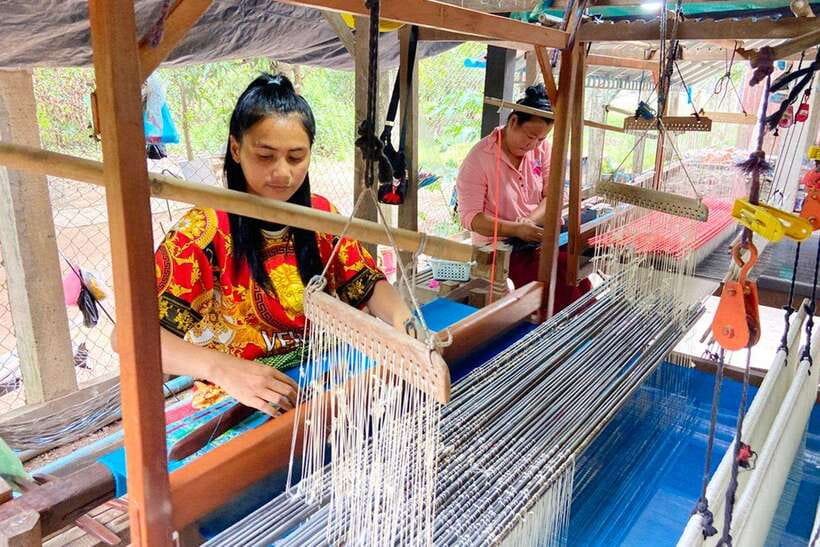
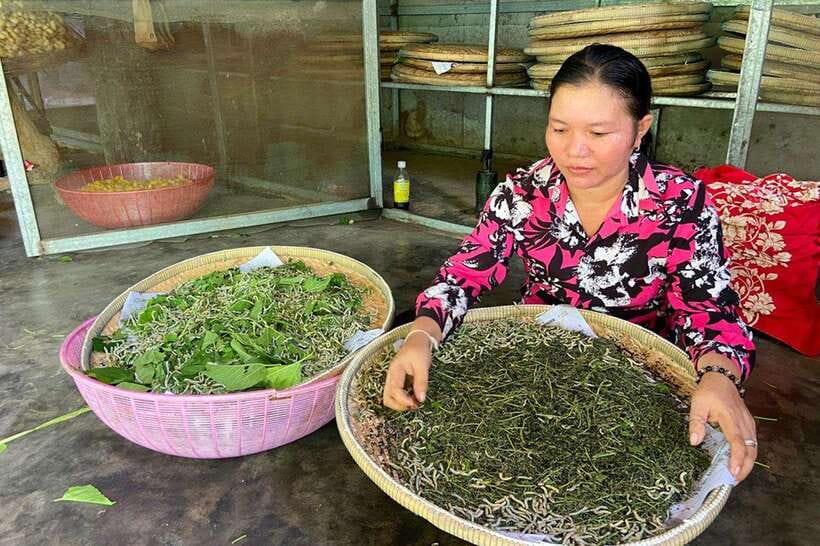
- Silk farm visit: the process you can actually see
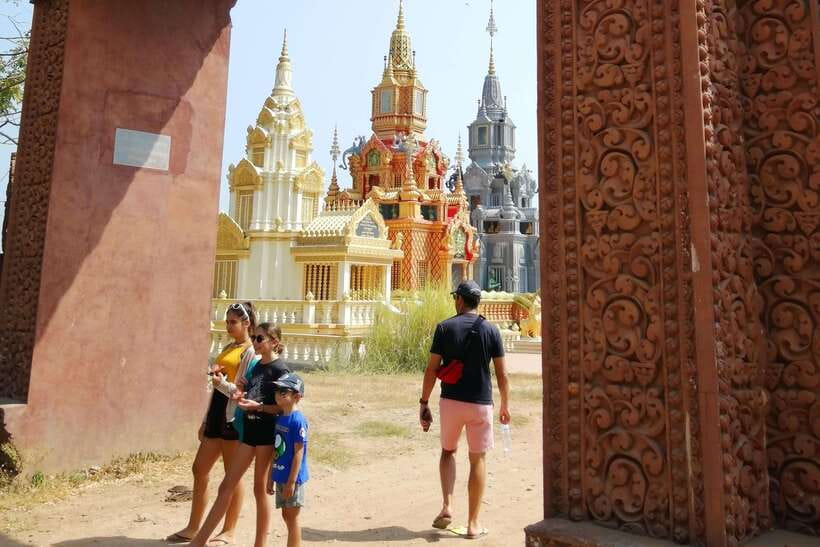
- Buddhist monastery and daily island context
- Primary school visit: when the schedule lets it happen
- English guide and audio: how you’ll get the story
- Price and value: what $49 covers in real terms
- Who this Silk Island cruise is best for
- Should you book Silk Island?
- FAQ
- How long is the Silk Island cruise and tour?
- How long is the boat ride from Phnom Penh to Silk Island?
- Does the tour include hotel pickup and drop-off?
- What food and drinks are included?
- Is lunch included?
- Can I visit the primary school and children?
- What languages are the guide and audio in?
- What should I bring?
- Is swimming allowed?
- Is this tour suitable for wheelchair users or people who get seasick?
Key highlights you’ll care about
- One-hour boat ride from Phnom Penh to Silk Island, with river-and-fishing views along the way
- Tuk-tuk around the village to spot mango and banana plantations plus other crops
- Silk farm visit, where you can see the silk process from early stages through to the product stage
- Buddhist monastery stop, adding context to everyday island life
- Primary school visit that depends on the day’s school schedule
- English speaking guide + English audio, so you can follow even if you miss a detail
From Phnom Penh to Silk Island: The one-hour river ride
The trip starts with hotel pickup and then you’re off for the water. The boat ride to Silk Island takes about one hour, and that’s enough time to actually enjoy the scenery without turning the day into a long travel slog. On the route, you’ll pass stilted houses and fishing villages, which gives you a real sense of how many people live with the river as part of daily life.
If you like photos, this is where you get the easy wins: wide river views, homes on stilts, and the sense of being in motion even while you’re still “touring.” It’s also a good time to get your bearings, since the rest of the day moves into slower, more local experiences.
The big thing to know is that this is still a boat. It’s not described as slow and calm, and the tour is specifically noted as not suitable for people prone to seasickness. If that’s you, I’d strongly consider skipping it, or at least plan for your comfort first.
You can also read our reviews of more tours and experiences in Phnom Penh.

Stilted houses, fishing villages, and two river flavors

The boat route highlights the Mekong and the Four Faces Rivers. That matters more than it sounds, because it helps you understand why the island community’s lifestyle makes sense in the first place. When you see rivers forming part of the setting, you start to notice how transport, work, and even where people live connects back to the water.
You’ll also spot the stilted homes that typify river life here. It’s not just a “cool view” stop; it’s a clue about how people manage flooding, access, and everyday routines. Fishing villages add another layer. Even if you don’t go deep into techniques, you’re seeing the infrastructure and the rhythm of a working community.
This part is best for travelers who like atmosphere. If you’re only in Phnom Penh for history lectures, you might think the river ride is just transport. For many people, it becomes the “breathing space” between city life and the island’s quieter rhythms.
Tuk-tuk around the island: plantations and crop spotting
Once you arrive, the pace shifts. You’ll hop into a tuk-tuk trip around the island, which is a smart way to cover more ground without tiring your legs before the hands-on parts. This is when you’ll see the mango and banana plantations, plus other crops grown on the island.
I like this stage because it turns what could be a simple village walk into something practical: you get the sense of what people grow, not just what they sell. And because it’s done by tuk-tuk, your guide can point things out quickly—where fields start, how the land is used, and what the island’s everyday economy looks like.
Also, expect more open-air time than you might think. The tour runs rain or shine, so if it’s hot, you’ll feel it. The good news: you’ll have drinks included and a fruit platter waiting, so you don’t arrive hungry or thirsty.
Silk farm visit: the process you can actually see

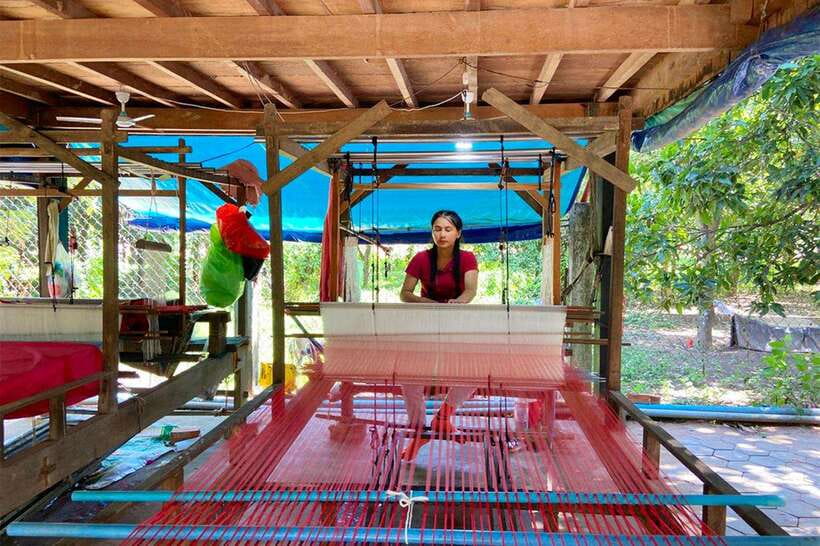
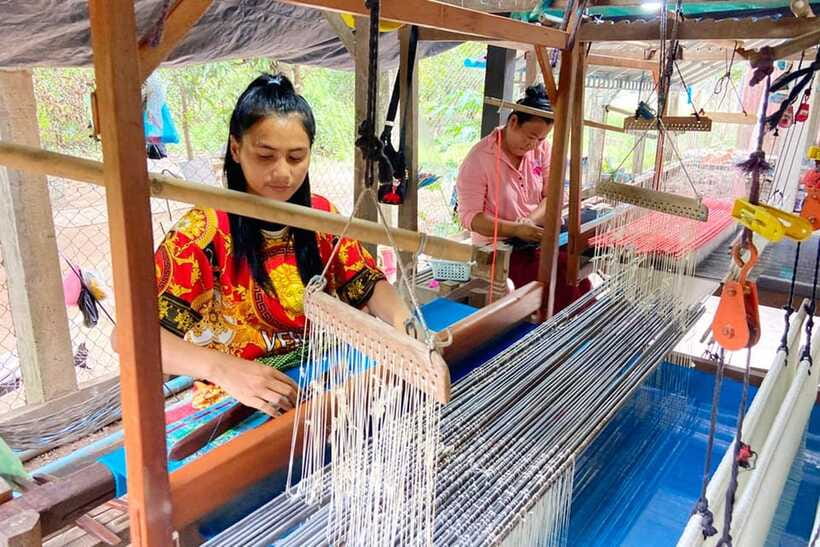
The heart of the tour is the silk farm visit. This is one of those experiences where a short explanation would be fine, but seeing the steps in front of you makes it click. The tour is structured so you can follow the silk production process from earlier stages through to the final product stage, and that’s what makes it memorable.
Some tours show you a shop. This one tries to show you the full chain of work. You’ll also get the chance to learn how the process is connected to the island community itself—this isn’t presented like a distant factory, but like part of how people earn a living.
A practical note: the most interesting parts are the ones where your guide explains what you’re looking at. Keep your questions ready. One of the strongest things reported about the guides is how open they are when you ask follow-ups, so don’t hold back.
Buddhist monastery and daily island context
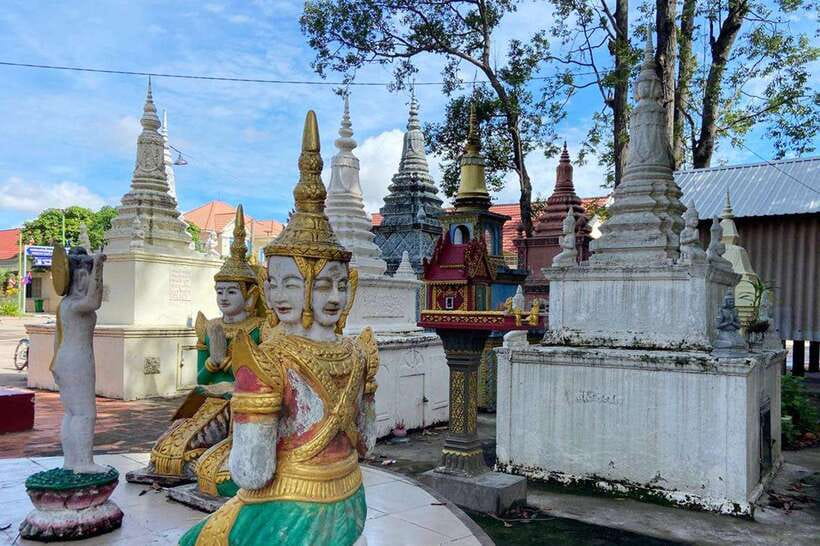
After the silk portion, you’ll visit a Buddhist monastery. This isn’t just a photo stop. It adds local meaning to what you’ve already seen: daily life on the island, work rhythms, and the spiritual structures that shape community routines.
I like monastery stops when they’re handled with respect and timing, because you’re not asked to treat it like a show. You’re just given a chance to understand the setting better. And since the earlier parts of the tour are focused on livelihood and crops, the monastery visit helps you connect the dots between work and community life.
If you’re someone who likes details, this stop can add value even if you’re not a “religion tour” person. If you’re not, just treat it as a pause—step back, observe, and let the day breathe.
Primary school visit: when the schedule lets it happen
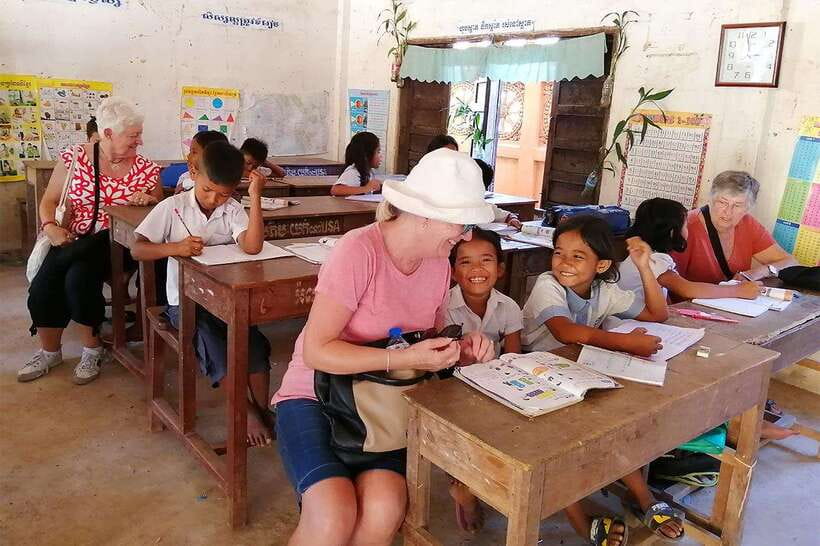
One of the highlights is the visit to children in a primary school, but it comes with an important qualifier: it’s subject to the school schedule that day. That means you should plan for two realities. If the visit fits that day, it can be a meaningful cultural moment. If it doesn’t, the rest of the program still moves forward.
I think that flexibility is the right approach. Schools aren’t props, and timing has to match the day’s real needs. Still, if a school visit is a top reason you booked, I’d treat it like a bonus rather than a guaranteed moment.
If you do go, be calm and respectful. Keep your expectations focused on observing and understanding, not turning it into a performance. Simple behavior goes a long way on tours like this.
English guide and audio: how you’ll get the story
This experience is led by an English speaking guide, and there’s also English audio included. That pairing is useful because the tour moves through several different settings—river, farm, village crops, monastery, and school—so it helps to have more than one way to catch the story.
What tends to make this kind of tour better is the guide’s ability to explain clearly and stay available for questions. People describe the guides as funny and informative, and also particularly open when you ask things you’re genuinely curious about. That’s where you get more than “what” you’re seeing—you get “why it matters.”
If you like learning, this is the sweet spot. You don’t need to be an expert on silk, Cambodia, or Buddhism to get value. The guide’s job is to translate the day into meaning you can actually carry home.
Price and value: what $49 covers in real terms
At $49 per person for a 4-hour tour, the value is strongest when you look at what’s bundled in. You’re not just paying for a ticket. You get:
- hotel pickup and drop-off
- unlimited beer, soft drinks, and water
- a fresh fruit platter
- the tuk-tuk ride around the island
- entrance fees
- an English speaking guide
- English audio
Lunch isn’t included, so you’ll want to eat before you go. But after that, the cost covers most of the day’s core expenses. For many travelers, this is what turns a “nice activity” into a solid deal: you’re not doing constant add-ons or surprise fees mid-day.
The only “cost” you might feel is time. Four hours sounds short because it is short. The tour gives you a good snapshot, but it doesn’t pretend to be a full course in silk-making or island agriculture. If you want a quick, well-organized sampler with real on-the-ground visuals, $49 starts to feel fair.
Who this Silk Island cruise is best for
This tour is a good match if you like hands-on learning and local settings. You’ll probably enjoy it most if you’re interested in:
- how everyday livelihoods work (silk production, farming, river life)
- village-level experiences rather than big-city attractions
- a guided day with enough time to ask questions
It’s also a decent option for solo travelers because the activity is run as a guided group format, and people report that solo booking still got them the same excursion.
But it’s not a fit for everyone. It’s not suitable for people with mobility impairments, and it’s not recommended for people prone to seasickness because of the boat portion. And it explicitly says no wheelchairs, so if you need that support, plan a different kind of tour.
Should you book Silk Island?
If you want an easy, guided day that mixes river views, village crops, and an up-close silk farm process, I think this is a strong booking choice. The price is competitive for what’s included, and the structure keeps you moving without skipping the most interesting parts.
I’d skip it only if your priorities are very specific—like needing long, uninterrupted time for silk research—or if you know boats and uneven travel won’t work for your body. Otherwise, this is the kind of Cambodian day trip that teaches you more than you expected, in less time than you thought.
FAQ
How long is the Silk Island cruise and tour?
The duration is 4 hours.
How long is the boat ride from Phnom Penh to Silk Island?
The boat trip to the island takes about 1 hour.
Does the tour include hotel pickup and drop-off?
Yes. Hotel pickup and drop-off are included, and pickup time depends on your location (normally about 30 minutes beforehand). Contact the operator to confirm the exact pickup time.
What food and drinks are included?
You get unlimited beer, soft drinks, and water, plus a fresh fruit platter.
Is lunch included?
No. Lunch is not included, so you should take food before your tour.
Can I visit the primary school and children?
Yes, but it’s subject to the school schedule on that day.
What languages are the guide and audio in?
The tour provides an English speaking guide, and the audio guide is also in English.
What should I bring?
Bring cash.
Is swimming allowed?
No. Swimming is not allowed.
Is this tour suitable for wheelchair users or people who get seasick?
No. It’s not suitable for wheelchair use or people with mobility impairments, and it’s also not suitable for people prone to seasickness.