
REVIEW · OSLO
Oslo Nature Walks: Island Hopping Tour
Book on GetYourGuide →Operated by Viking Biking & Hiking · Bookable on GetYourGuide
Ferries. Ruins. Cabins. All in one outing. What makes this Oslo nature walk special is the mix of public ferry hops and guided walking, so you get coastal scenery plus straight-to-the-point history. I really like the Hovedøya abbey ruins stop—monks, post-Viking change, and that nearly 1,000-year-old stonework. I also like the contrast on the later islands: quiet paths through sheep pastures and birch forests, then colorful summer-cabin gardens. (And English guides on the route have included people like Shaf, Giovanni, Patrick, and Carolina, so you’re rarely left with dry facts.)
One drawback to plan for: you’ll walk about 7 km (around 10,000 steps) over gravel, dirt paths, and stones. If your feet get grumpy, you’ll feel it—especially in wet or icy weather, when traction matters.
In This Review
- Key reasons to go on Oslo Nature Walks Island Hopping
- How the island-hop starts at Rådhusbrygge
- Hovedøya: monks, abbey ruins, and 19th-century cannons
- Gressholmen: Oslo’s first airport, military remnants, and quiet paths
- Lindøya cabin island: wooden homes, flower gardens, and picnic time
- What 7 km of walking feels like on fjord islands
- Guides turn the story into something you’ll remember
- Timing and seasonal differences: 3 islands vs 2
- Value at $69: what you get for the money
- After the tour: a great return into Oslo’s harbor
- Who should book this island-hopping nature walk
- Should you book Oslo Nature Walks Island Hopping?
- FAQ
- How long is the Oslo island-hopping tour?
- How many islands do you visit?
- What’s included in the price?
- Where do I meet the tour?
- What should I bring?
- Is this tour suitable for kids and wheelchairs?
- Is the tour guide English?
Key reasons to go on Oslo Nature Walks Island Hopping
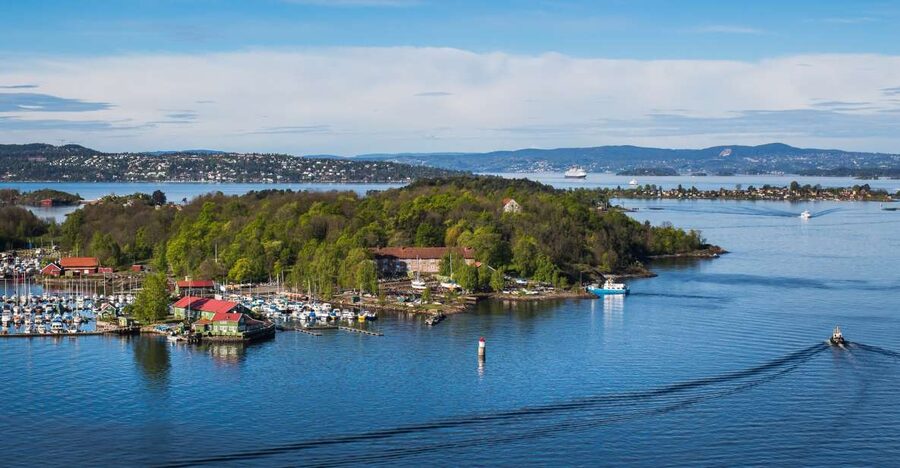
- Hovedøya abbey ruins and the story of Christian Europe after the Viking era
- Ferry-to-ferry momentum: short rides, big scenery, minimal backtracking
- Napoleonic-era ramparts and cannons on the walkout to the coast
- Gressholmen’s layers: a nature reserve plus remnants tied to Oslo’s first airport and military history
- Summer cabin island feel on Lindøya, with wooden homes and flower gardens
- Warm drinks in colder months, plus occasional extra comfort like gingerbread and crampon support when surfaces are slippery
How the island-hop starts at Rådhusbrygge
The tour begins at Rådhusbrygge 4, near the public ferry departures on Platform E by the restaurant Fisketorget. Arrive about 10 minutes early so you can match up with the group before boarding.
From there, the rhythm is simple: get on a public ferry, step off for a guided walk, then hop back on for the next island. This matters more than it sounds, because the ferries do the heavy lifting of getting you out of the city fast—without the hassle of planning your own connections.
In spring and summer (April–August), the outing runs about 4 to 4.5 hours and typically includes 3 islands. From September through March, it’s shorter (about 3.5 hours) and you’ll visit 2 islands instead.
You can also read our reviews of more tours and experiences in Oslo.


Hovedøya: monks, abbey ruins, and 19th-century cannons
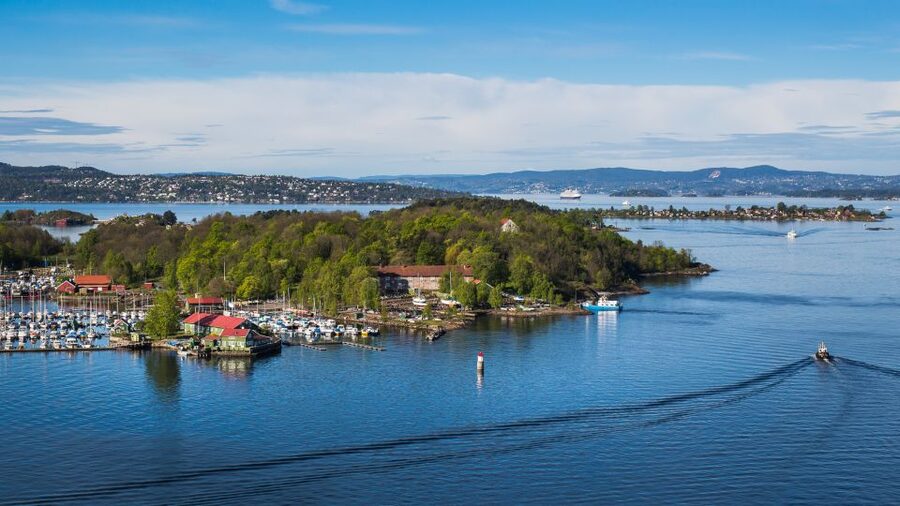
Hovedøya is the main-history stop, and it’s where the tour earns its reputation. You’ll take a ferry over and then spend about an hour on a guided route through real ruins, not just viewpoints.
The abbey focus is the star: you’ll learn how English monks came to Christianize post-Viking Oslo and helped set up a powerful religious site on the island nearly 1,000 years ago. As you walk, you can see the well-preserved remains—chambers and rooms—where the story shifts from Viking-era change into the world of Christian Europe.
Then the walk turns from stone into terrain. Expect sheep pastures and birch forests as you head toward old ramparts. On that approach, you’ll also hear about 19th-century Napoleonic Wars linked to cannons and fortifications—so you get a second historical layer that’s not just medieval.
Practical note: the route also includes coastal edges with beaches and lookout points. That’s useful even if you’re not a full-time history person, because you’ll get a natural break from narration for photos and for breathing in fjord air.
If the weather is rough, this is still a good island because you’re moving between several distinct stops—ruins, ramparts, and viewpoints—rather than being stuck in one long stretch. In good weather, it’s even better: you’ll see why Oslo treats these islands as part of daily life, not a far-off excursion.
Gressholmen: Oslo’s first airport, military remnants, and quiet paths
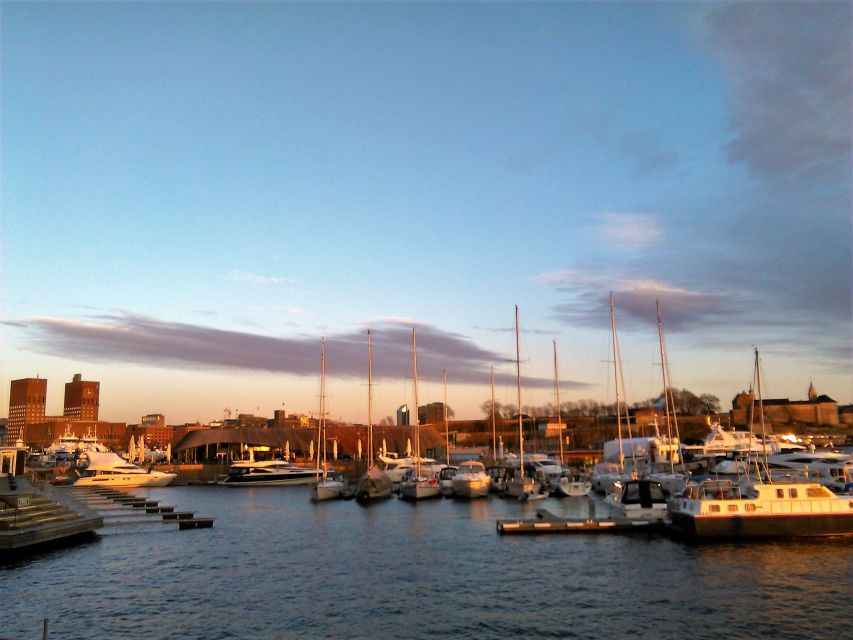
After Hovedøya, you’ll ferry to Gressholmen for about an hour and do another guided walk. This island is described as a nature reserve with fascinating history, and you’ll feel that balance right away.
A big highlight is the connection to what used to be Oslo’s first airport. You’ll visit remnants tied to early aviation history and learn how the island fit into Oslo’s development. It’s one of those details you’d never guess just by looking at the island’s calm shoreline.
Then the story widens into military history. You’ll walk among several buildings and sites that reflect that layered past. Even if you’ve visited fortresses in bigger cities, the setting here is different: history sits right next to working-looking outdoor terrain, and the guide helps you connect the dots between purpose and place.
What I like about Gressholmen on this type of tour is pace. You’re not trying to do a long hike. Instead, you get a focused walk with meaningful stops—history, then scenery, then history again—so you finish the hour feeling like you learned something real.
Lindøya cabin island: wooden homes, flower gardens, and picnic time
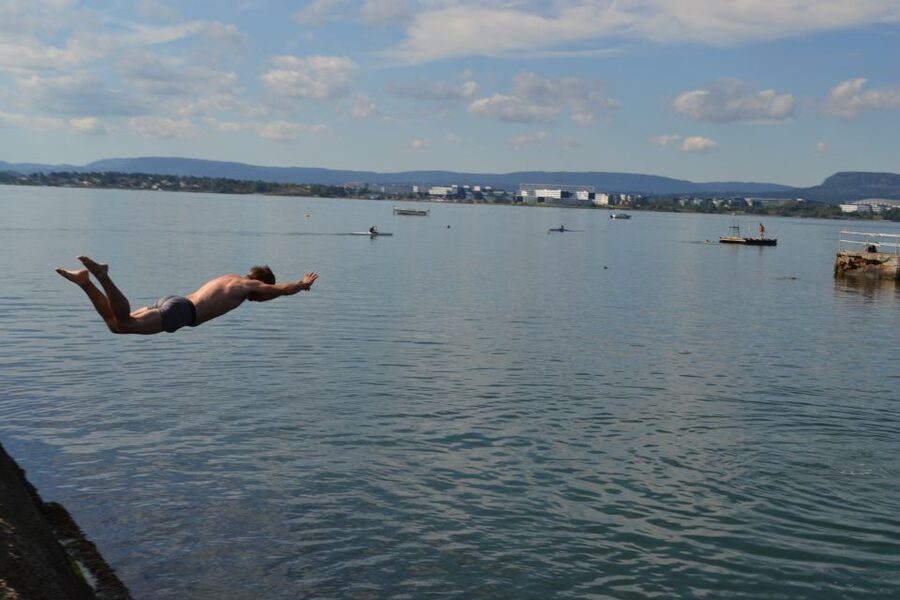
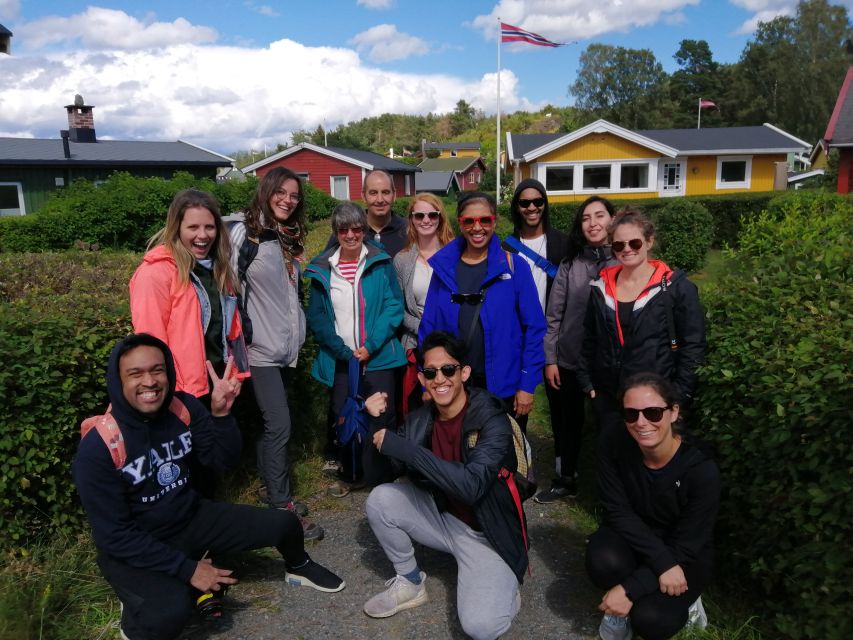
On the longer summer version (April–August), the tour adds a third island: Lindøya. You’ll spend about 1.5 hours here, and the tone shifts from fortifications to everyday island life.
Lindøya is all about the charm of a holiday retreat. Expect traditional wooden homes and gardens full of flowers, set against the fjord water around you. It’s a contrast you can actually see: this isn’t only about ruins or defenses. It’s about how people use these islands when they’re off the clock.
You’ll also get lookout points around the island. This is where you can slow down, take photos, and get that fjord perspective that makes Oslo feel larger and more coastal than you might expect from the city center.
Food-wise, this is where the picnic break becomes part of the experience. The tour encourages you to bring your own lunch in April–September. Weather and opening hours can affect whether there’s time to stop at a local kiosk, but the general idea is simple: top up snacks and keep the vibe relaxed.
In colder months, the tour is shorter and warm drinks are provided by the guide. Some guides have also served hot chocolate and coffee with things like gingerbread, which is the kind of small touch that turns a chilly beach stop into a proper reset.
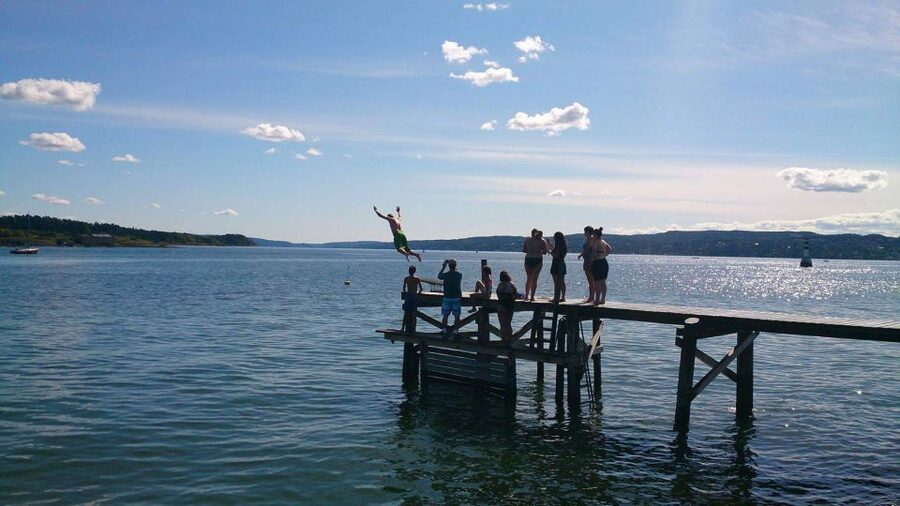
Practical tip: carry what you need for comfort. The tour encourages a backpack with swimwear (if you want), a towel, water, and your picnic food. Even if you don’t swim, having water matters on gravel trails.
What 7 km of walking feels like on fjord islands
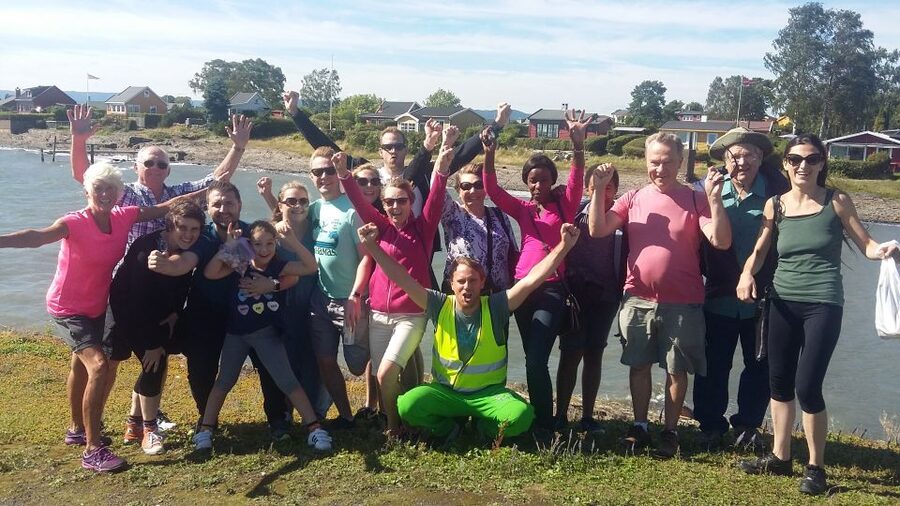
Let’s talk boots, because this is a walking tour wearing a ferry’s face. You’ll cover roughly 7 km (about 10,000 steps) across gravel, dirt paths, and stones. Comfortable shoes are required, and good trail footwear is a smart choice.
In winter, expect colder conditions and slippery surfaces. One clear example from past departures: some guides have even provided crampons when it was especially slick. You can’t count on that every day, but it’s a reminder that your best move is to show up with grippy shoes and dress for real outdoors time.
This is also not a stroller tour. It’s not suitable for children under 9, and it’s not set up for wheelchair users. The route is outdoors, the ground is uneven, and the emphasis is on walking between points.


Guides turn the story into something you’ll remember

The difference on this kind of tour is the guide. The format is friendly—public ferries, island walks, photo stops—but what makes it stick is the narration tying together history, geology, and why Norwegians treat the coastline as part of daily identity.
English guides have been consistently praised for being funny, upbeat, and detail-focused. Guides named in past departures include Patrick, Shaf, Giovanni, Neil, Josh, and Carolina, and several people note that the guides checked on the group and kept the pace steady.
What I love in that style is that it doesn’t feel like a lecture. You’ll get stories as you walk: monks and post-Viking change at Hovedøya, ramparts and Napoleonic links on the way to the coast, and the way an island reserve can still hold remnants from airports and military plans.
If you’re the type who likes local tips, you’ll likely get them too. More than one guide has offered practical recommendations for what to do next in Oslo after the tour—things you might not find if you only stick to headline attractions.
Timing and seasonal differences: 3 islands vs 2
Your schedule depends on the month.
- April–August: about 4 to 4.5 hours, typically 3 islands
You can expect the full arc: Hovedøya, then Gressholmen, then Lindøya.
- September–March: about 3.5 hours, typically 2 islands
The shorter route changes the lineup, and some winter departures pair Hovedøya with Lindøya rather than including all three stops.
So here’s the decision rule: if you want the cabin-island feel and the picnic break on Lindøya, aim for the April–August window. If your priority is compact sightseeing with less walking time, the shorter season still gives you strong history and fjord views.
Either way, the ferry rides stay a core part of the value. You’re not just touring; you’re moving through Oslo’s coastline like it’s part of the city.
Value at $69: what you get for the money
$69 might sound like a fixed number until you match it to what’s actually included.
You’re paying for three things:
1) a guided walking experience,
2) ferry tickets for the public rides, and
3) warm drinks in October–March.
That’s a real package. Without the guide, you could take ferries yourself, but you’d lose the connections between places—like how English monks relate to the abbey ruins, or how Oslo’s first airport ended up on an island like Gressholmen. In a few hours, the guide can compress a lot of local context into something you can carry around all vacation long.
Also, you don’t have to manage logistics. The meeting point is clear, and the ferries are already part of the plan. For many visitors, that reduces stress and increases actual time outside.
If you’re traveling in colder months, the included warm drinks add comfort that can be hard to replicate on your own with limited time. In past departures, guides have also handed out hot chocolate, coffee, gingerbread, and even traction help when needed—small perks that raise the practical value.
After the tour: a great return into Oslo’s harbor
When you hop back to the city, you get a strong payoff: an “entry into the port” view of iconic Oslo spots. You’ll pass sights such as Akershus Festning (the old fortress), Oslo City Hall, and the revitalized Aker Brygge waterfront.
This is more than pretty scenery. It’s a good way to reset your mental map of the city. After spending time on islands, the harbor sights feel connected instead of random.
If you’re planning a dinner later, this return can help you decide where to go. The waterfront area is easy to navigate after you’ve seen it from the water.
Who should book this island-hopping nature walk
Book it if:
- you want a short Oslo escape that mixes history + fjord views
- you’d rather walk with a guide than guess your way across islands
- you enjoy outdoor trails even if the weather is changeable
- you’re traveling with adults who don’t mind about 7 km of walking
Skip it (or choose a different option) if:
- you have trouble with uneven ground, stones, and gravel
- you’re traveling with a young child under 9
- you need wheelchair-friendly routes
If you like your vacation with one part brainwork (abbey ruins, airport remnants, military history) and one part fresh air (beaches, lookouts, cabin gardens), this tour fits that sweet spot.
Should you book Oslo Nature Walks Island Hopping?
I’d book this if you want a high-value Oslo half-day that feels real and local. The ferry-first approach saves time, and the guided walking makes the islands more than just pretty stops—Hovedøya in particular delivers a strong story with ruins you can actually see.
One simple checklist before you decide:
- Can you comfortably walk about 7 km on uneven surfaces?
- Do you want a guided “why this matters” tour, not just sightseeing?
- Are you in the month range that matches what you want most (full 3-island day in April–August, shorter 2-island day outside that window)?
If you said yes to those, this is a smart, efficient way to experience Oslo’s coastline—without turning your day into transportation math.
FAQ
How long is the Oslo island-hopping tour?
From April to August, it runs about 4 to 4.5 hours. From September to March, it’s about 3.5 hours.
How many islands do you visit?
In April–August, you visit 3 islands. In September–March, you visit 2 islands.
What’s included in the price?
The tour includes a guided tour, public ferry tickets, and warm drinks during October–March.
Where do I meet the tour?
Meet near the ferry departure at Platform E by the restaurant Fisketorget, at Rådhusbrygge 4. Plan to arrive about 10 minutes early.
What should I bring?
Wear comfortable shoes. Bring a backpack with swimwear, towel, water, and your picnic items for the break. In warmer months, it’s recommended to bring your own lunch.
Is this tour suitable for kids and wheelchairs?
It’s not suitable for children under 9. It’s also not suitable for wheelchair users.
Is the tour guide English?
Yes. The tour is guided in English.