REVIEW · OSLO
Oslo Island Walks: Island Hopping Tour
Book on GetYourGuide →Operated by Just guide · Bookable on GetYourGuide
Three islands, one smooth ferry day. This Oslo Island Walks tour turns the Oslofjord into a simple route you can actually enjoy: you hop by public ferry, swap city streets for sea cliffs and cabins, and come back with a great harbor view. I like that the timing feels practical, with just enough walking and a real sense of moving from one small world to the next.
The big win for me is the mix of Hovedøya’s monastery ruins plus island life that feels far from downtown. You’ll hear how English monks arrived after the Viking Age, explore old fortifications and Napoleonic-era cannons, and then shift to gentler trails and cottage views. One possible drawback: the walking is on gravel and dirt paths, and it’s not built for heavy hiking or for people needing wheelchair access or children under 9.
In This Review
- Quick take: what’s worth your attention
- Why Oslo’s island hopping beats a city-only day
- Meet-up on Aker Brygge and how the day actually runs
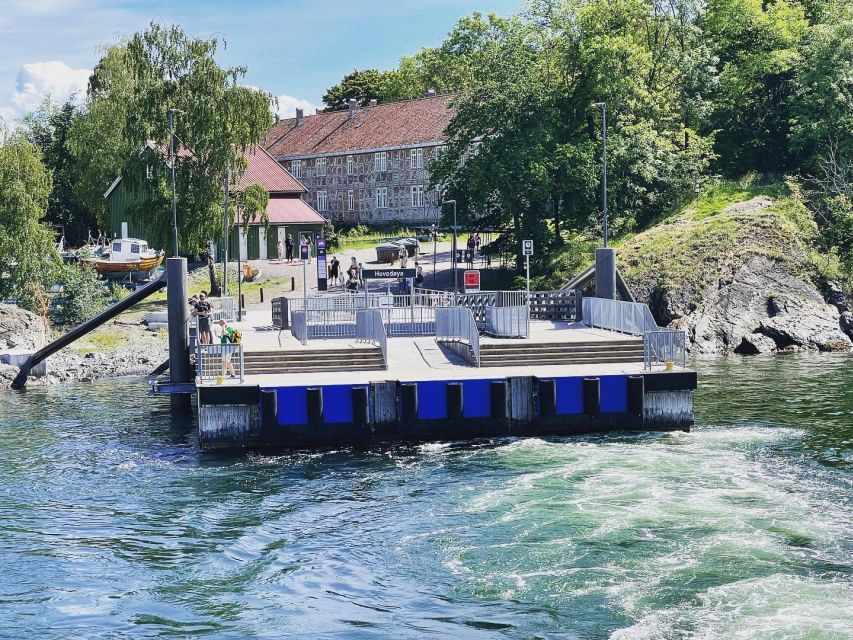
- Stop 1: Hovedøya for English monks, monastery ruins, and cannons
- What to watch for on Hovedøya
- Stop 2: Gressholmen’s quiet fields and easy trails
- Stop 3: Lindøya for wooden cottages, gardens, and a chance to swim
- The ferry rides: your moving viewpoint back to the city
- Price and value: does $59 for 4 hours make sense?
- What to bring: shoes, water, and how to avoid a soggy surprise
- Who this tour suits best (and who should skip it)
- Should you book Oslo Island Walks?
- FAQ
- Where is the meeting point for the Oslo Island Walks tour?
- What time does the tour start?
- How long is the tour?
- Which islands are included?
- Is the tour in English and is there a live guide?
- What should I bring for the walks and picnic?
- Is swimming possible during the tour?
- Is cancellation allowed, and what’s the refund policy?
Quick take: what’s worth your attention
- Oslofjord ferry hopping: real water time, not just transport squeezed in.
- Hovedøya’s layers of history: monks after the Viking Age, then forts with Napoleonic Wars cannons.
- Gressholmen’s calm trails: open fields, forest paths, quiet inlets.
- Cottage-island vibes on Lindøya: wooden houses, flower-filled gardens, scenic lookouts.
- Picnic flexibility: stop when you want, with lunch spots picked for the view.
- Guides that steer the day: English-language storytelling, with guides like Em and Evan (and sometimes Roy).
Why Oslo’s island hopping beats a city-only day
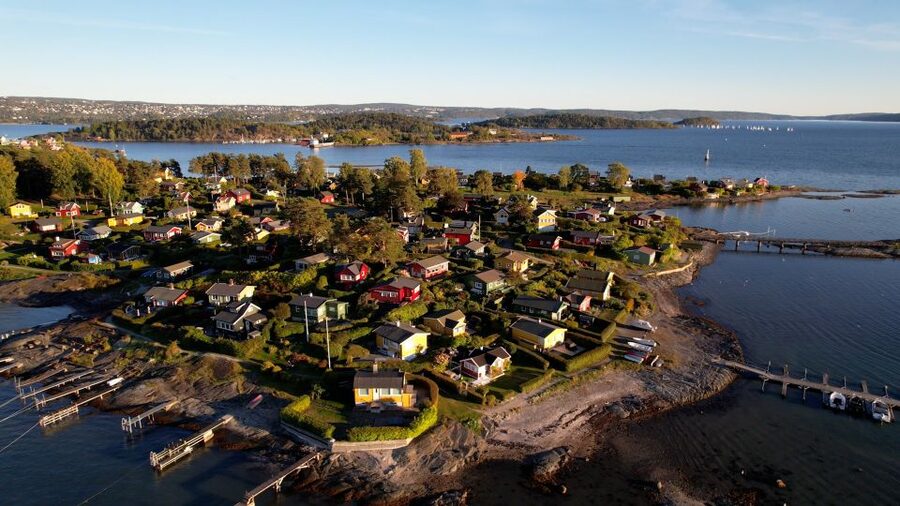
Oslo has great sights, but it can be easy to spend all your daylight looking at buildings and museums. This tour changes that. You’re using the water the way locals do, so the islands start to feel like a natural extension of the city rather than a separate excursion you drag yourself to.
I also like the pacing. You get enough structure from a guide to make the history stick, but you still have breathing room to look at the coastline and wander a bit on your own. The ferry rides matter here: they act like pauses, and you’ll see Oslo’s harbor rhythm from the water as you move between islands.
You can also read our reviews of more tours and experiences in Oslo.

Meet-up on Aker Brygge and how the day actually runs
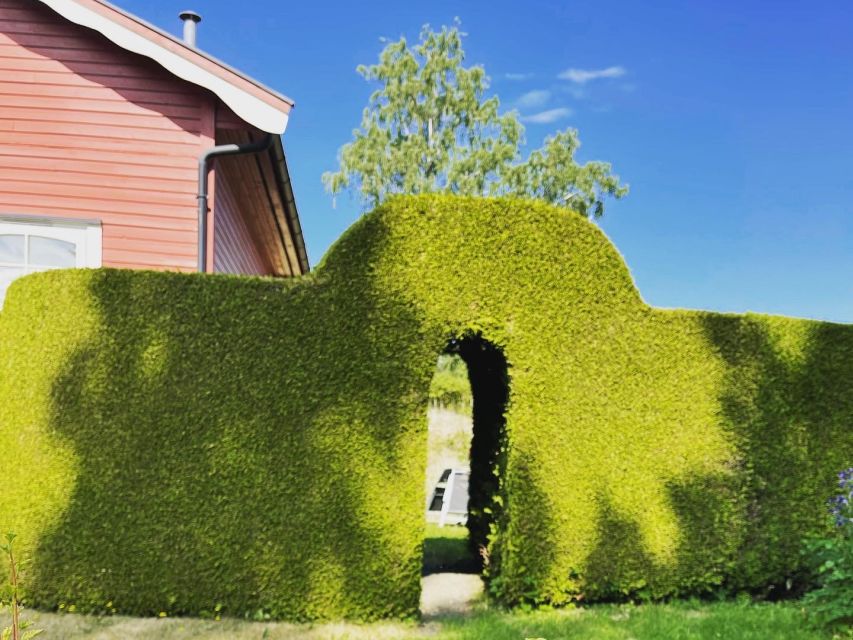
You meet at the tram stop Aker Brygge, right by the National Museum area. Arrive 15–20 minutes early so you’re not sprinting along the waterfront while everyone is already boarding. Your guide carries a “Just Guide” sign and wears a blue vest.
The meeting time is 10:15 AM, and the group departs shortly after. The details provided list 10:25 AM for the departure and around 10:30 AM for the ferry timing, so I’d plan for the first ferry to leave close to that 10:30 window. The total day is about 4 hours, including ferry time and walking.
That duration is part of the value. In one half-day, you get three island settings, multiple guided walks, and a return into the harbor where you can spot iconic Oslo landmarks from the water.
Stop 1: Hovedøya for English monks, monastery ruins, and cannons
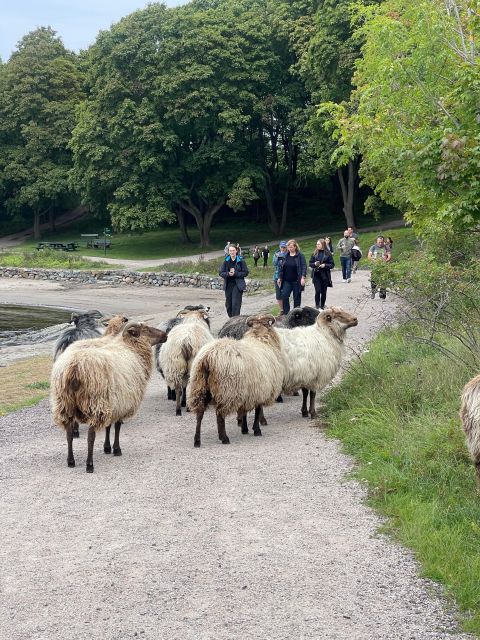
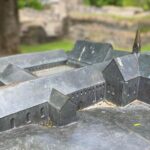
Your first island is Hovedøya, and it’s the most “big historical” stop of the day. The guide explains how English monks arrived after the Viking Age to help Christianize Oslo, and how they set up a powerful monastery on the island nearly 1,000 years ago. Even if you’re not a history person, this works because you’re walking among the actual ruins and then getting a story that fits what you’re seeing.
On the ground, you’ll explore the monastery’s rooms and chambers and try to picture everyday life when Norse culture was changing into Christian Europe. From there, the route shifts outdoors: you move through lush pastures and birch forests, then head toward the older fortifications.
This is the part that surprised me in the details you provided: you’re not just getting religious history. You’ll also follow trails to see old fortifications and cannons from the Napoleonic Wars of the 1800s. It’s a reminder that coastal islands like this can serve multiple roles across centuries—spiritual, defensive, and community-based.
The walk includes rugged coastline sections with chances to pause for beaches and viewpoints. If you like photographs with context (not just pretty water), this is your best stop.
What to watch for on Hovedøya
You’ll be on gravel, dirt paths, and stones, so comfortable shoes aren’t optional. One note from the overall feedback: the guided stops are timed, so you’re not doing a long hike here. If you want hours of wandering with no structure, keep that expectation in check.
Stop 2: Gressholmen’s quiet fields and easy trails
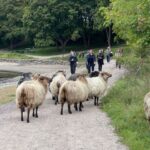
After Hovedøya, you hop back on the ferry for the second stop, Gressholmen. This island is described as laid-back and a nature retreat—open fields, forest paths, and quiet inlets. The vibe shifts from ruins and cannon stories to simpler island life.
The guide leads you along easy trails while you breathe in fjord air and look at unspoiled scenery. This is the island that makes the day feel balanced. It helps you reset your brain after Hovedøya’s deep history, and it’s a nice place to slow down, look for birds and coastline details, and just enjoy the outdoors.
Gressholmen also tends to work well if your group wants something less intense. Multiple pieces of feedback mention gentle walking and an overall relaxed pace, and Gressholmen fits that style.

Stop 3: Lindøya for wooden cottages, gardens, and a chance to swim
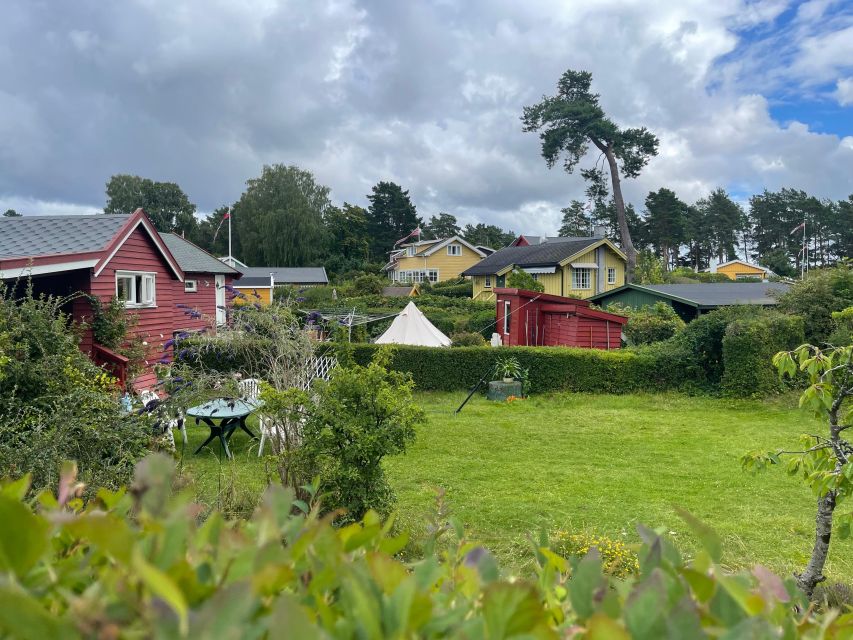
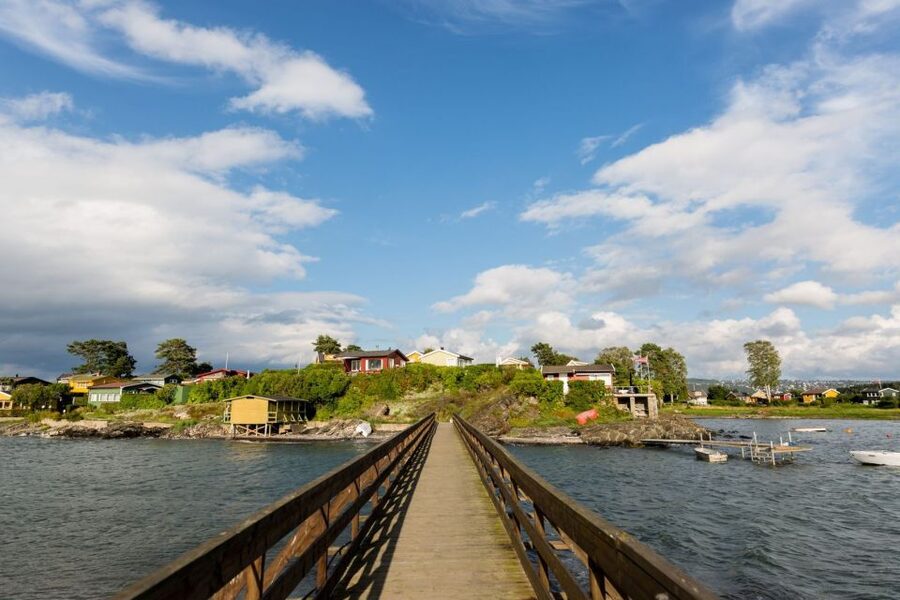
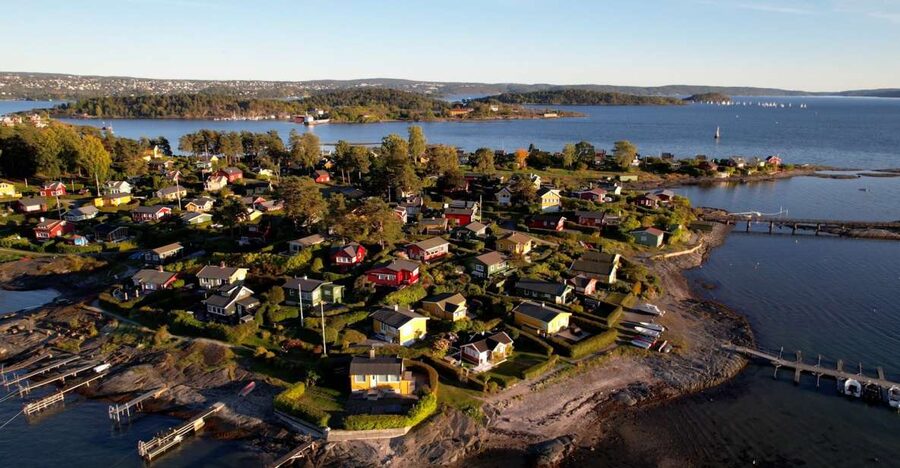
Your final island is Lindøya, with about an hour set aside for walking and a guided look around. This is where the tour leans into the summer-island feel: traditional wooden cottages, flower-filled gardens, and scenic lookout points over the water and hills.
If you’ve ever wanted Oslo to feel more like a coastal city than a landlocked capital, this is the moment. The contrast is part of the charm—cottage life and gardens alongside a fjord backdrop. You can also choose viewpoints and spend a bit of time on your own, especially around the lookout areas.
Lunch is flexible here. You get a picnic lunch whenever you feel like it, and you can choose one of the recommended picnic spots with views over the water and hills. I’d plan to bring your lunch since that’s the safest bet for time and hunger.
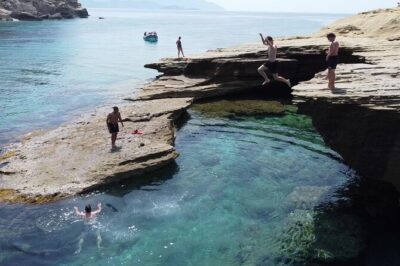
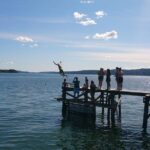
One review detail stands out: on the third island, guests mention you can swim. The tour instructions also encourage bringing a backpack for swimwear and a towel. So even if you’re not a dedicated swimmer, toss your towel in your bag and be ready for a quick dip if conditions allow.
The ferry rides: your moving viewpoint back to the city

A lot of island tours treat the boat as just a means to an end. Here, the ferry ride is part of the experience. You’re on public ferries, so the schedule is built around short hops, and you keep seeing Oslo’s coastline from a moving vantage point.
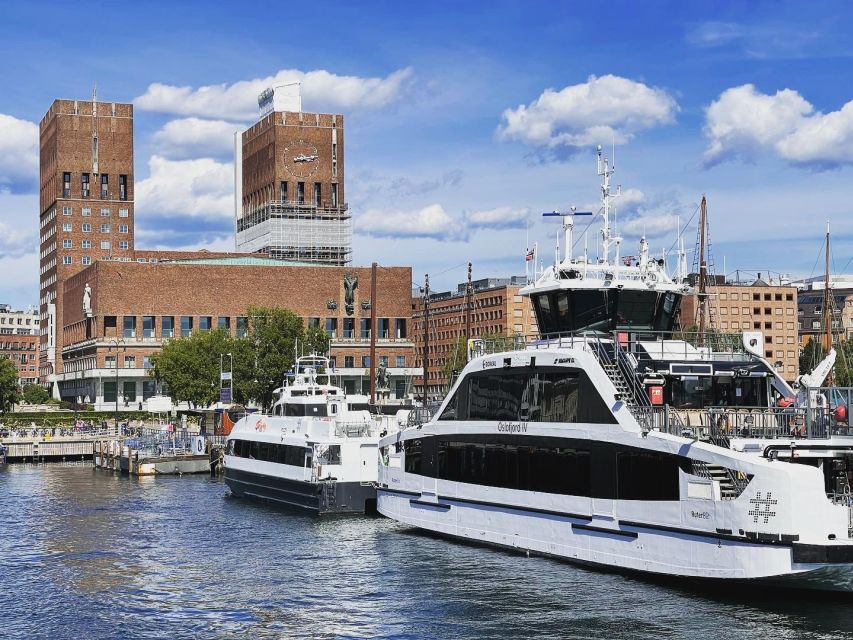
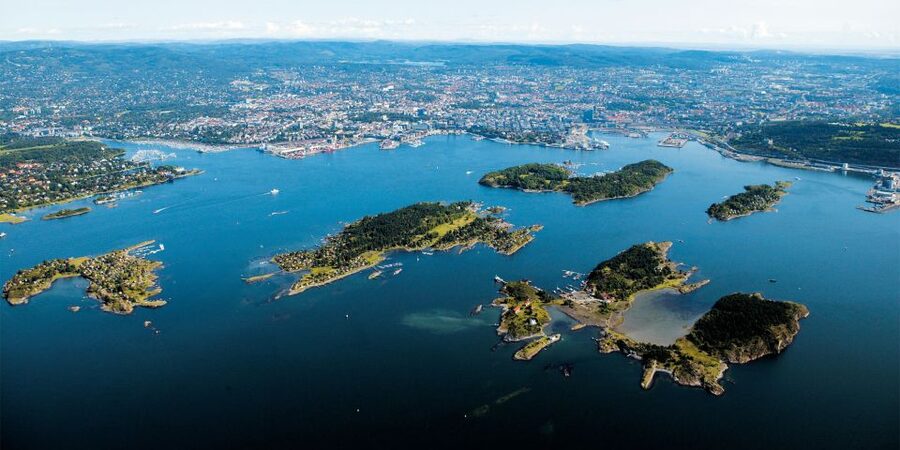
When you return, the tour includes harbor arrival sightseeing. You’ll be able to admire some of Oslo’s well-known sights, including medieval Akershus Fortress, the City Hall, and the modern waterfront area around Aker Brygge.
This matters more than you might think. Returning by water lets you connect the “island day” to the city you’ve been circling all week. It’s an easy way to build a mental map of how Oslo sits on the fjord.
Price and value: does $59 for 4 hours make sense?
At about $59 per person for a roughly 4-hour tour, the main question is what you’re paying for beyond the ferries. You’re paying for two things: guided interpretation and a structured route across three islands that would be time-consuming to plan yourself.
Yes, you could likely figure out public ferries and explore islands on your own. But the guide’s job is turning scattered sites into a connected story: monks after the Viking Age on Hovedøya, then Napoleonic-era fortifications, then the calmer island life on Gressholmen and the cottage scenery on Lindøya. That’s the value you can’t easily buy with just a transit pass.
Also, the tour includes a public transportation ticket. The information provided says the ticket can be used for 20 hours after the tour, and several guests mention it works like a 24-hour pass. Either way, it reduces your extra costs for getting around the city that day.
So for value, I’d treat it like this: you’re buying a guided island loop plus extra mobility for the rest of your Oslo day.
What to bring: shoes, water, and how to avoid a soggy surprise
Plan for walks on gravel, dirt paths, and stones. Wear comfortable shoes you trust. Also bring water and weather-appropriate clothing. Oslo’s sea air can feel crisp, and the island weather can shift quickly, so you don’t want to be stuck underdressed.
Because there’s picnic time and optional swimming, bring a small day pack. The guidance encourages packing a backpack with swimwear, a towel, water, and food for lunch.
You’ll also want some flexibility on food:
- You can eat your picnic at chosen spots with views.
- If you want extras, there’s an optional local shop stop for snacks or ice cream.
Finally, remember pets aren’t allowed on the tour.
Who this tour suits best (and who should skip it)
This is a great fit if you want to see Oslo from the water and you like guided stories that connect geography to history. It’s also ideal if you’re short on time. In one half-day, you cover monastery ruins, coastal defenses, calm nature trails, and the cottage-island look.
It’s not a great match for:
- Children under 9
- People with mobility impairments and wheelchair users
- Anyone who wants lots of strenuous hiking time
If you’re traveling with older kids who can handle uneven paths and steady walking, you’ll still want to read the age guidance carefully before booking. If you’re unsure, this tour’s “moderate walk” style seems to keep things manageable, but it’s still real outdoor terrain.
Should you book Oslo Island Walks?
Book it if you want an efficient, scenic Oslofjord day that mixes history with outdoors—and you’d rather learn something than just take photos. The best reason to go is the structure: three islands, ferry time that’s part of the fun, and guided context that makes Hovedøya’s monastery ruins and Napoleonic-era cannons easier to understand.
Skip it if you’re chasing long hikes or if mobility needs or age requirements don’t fit. Also, if you want complete freedom to wander all day with zero schedule, this tour’s timed stops may feel a bit controlled.
If your ideal Oslo day includes gentle walking, sea views, and guided storytelling from an English-speaking guide—this is one of the most practical ways to see what’s beyond the city.
FAQ
Where is the meeting point for the Oslo Island Walks tour?
You meet at the tram stop Aker Brygge, next to the National Museum. Arrive 15–20 minutes early. Your guide will have a Just Guide sign and wear a blue vest.
What time does the tour start?
Meeting time is 10:15 AM, and the first ferry departs shortly after, with the schedule indicating around 10:25–10:30 AM.
How long is the tour?
The tour duration is about 4 hours.
Which islands are included?
You visit three islands: Hovedøya, Gressholmen, and Lindøya.
Is the tour in English and is there a live guide?
Yes. The tour is a live guided experience in English.
What should I bring for the walks and picnic?
Bring comfortable shoes, water, and weather-appropriate clothing. A backpack is encouraged for swimwear, a towel, and food for lunch.
Is swimming possible during the tour?
There can be a chance to swim on the third island. Bring a towel and swimwear if you might want to take that option.
Is cancellation allowed, and what’s the refund policy?
Free cancellation is available up to 24 hours in advance for a full refund.