REVIEW · OSLO
Oslo Nature Walks: Island hopping
Book on Viator →Operated by Viking Biking & Hiking · Bookable on Viator
Oslo’s islands feel like a quick escape from city life. This small-group island-hopping walk lets you trade sidewalks for fjord air, then top it off with public ferries and guide-led stories you will not get from a phone map.
I really like the relaxed pace: it is built for wandering on foot, not sprinting between stops. I also like the human side of it—guides such as Giovanni, Patrick, and Shaf show up prepared with facts and personal touches, sometimes even bringing hot drinks and biscuits for cold weather.
One consideration: this is still a walking tour on island paths, and in winter you need to be comfortable moving for a few hours, including some uphill or rougher ground.
In This Review
- Island Hopping: what makes this tour work
- Why Oslo Fjord Islands Feel Like a Quick Reset
- Price and what you actually get for $71.26
- Time on foot: the “small-group, short hop” rhythm
- Meeting at Rådhusbrygge: start/end setup that keeps things simple
- Stop 1: Hovedøya monastery ruins and nature preserve walk
- Stop 2: Cabin Island on the Oslofjord for stories of island life
- Guides who turn a ferry-and-walk day into a real story
- How to prepare: walking ability, layers, and lunch timing
- Who this island-hopping walk is best for
- Best seasons: winter calm vs. warmer fjord wandering
- A balanced take: what you should love and what to accept
- Should you book Oslo Nature Walks: Island hopping?
- FAQ
- How long is the Oslo Nature Walks: Island hopping tour?
- How much does the tour cost?
- Which islands does the tour visit?
- What’s included in the price?
- Is lunch included?
- Where do you meet, and where does it end?
- How big is the group?
- Is this tour suitable for children?
- Is it offered in English, and does it run in poor weather?
Island Hopping: what makes this tour work
- Two island stops focused on nature and old Oslo stories, rather than a crowded bus day
- Ferry ticket included, so you are not doing extra ticket math while trying to enjoy the views
- Small group (max 15) for an easier, more conversational experience
- Guide-led interpretation, useful because islands have limited English signage
- Fjord views from land, with short boat hops so you spend more time outside than on the water
Why Oslo Fjord Islands Feel Like a Quick Reset
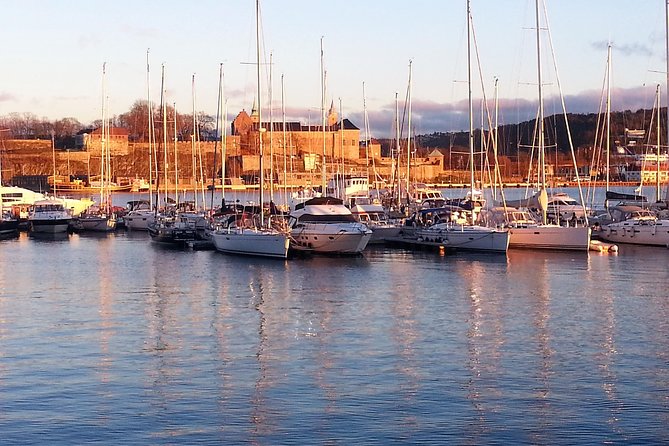
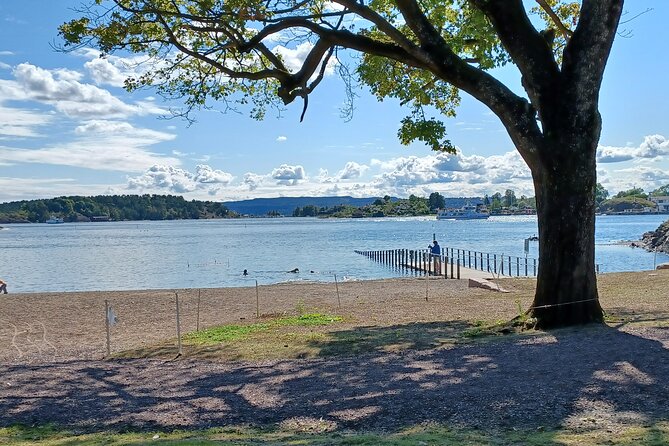
Oslo has a clever trick: you can leave the busy center and be surrounded by water, cliffs, and quiet paths in minutes. Island hopping in the Oslo Fjord gives you that feeling without the hassle of planning your own ferry route and stitch-matching your day.
The experience is also the right mix of outdoors and context. You get to see real island life and vegetation up close, then a guide connects what you are seeing to Oslo’s long timeline. It is the kind of outing where you look at a ruin or a cabin and suddenly understand why it matters to the city’s identity.
And because the group stays small, the tour does not turn into a conveyor belt. I like that it feels laidback, with time to pause for photos and catch your breath on the fjord edge.
You can also read our reviews of more tours and experiences in Oslo.
Price and what you actually get for $71.26
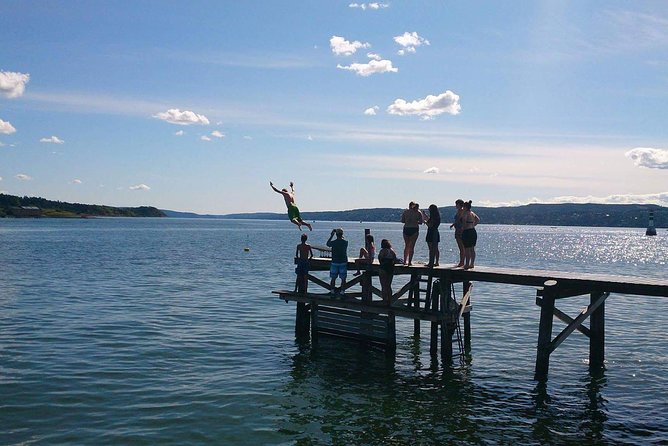
At $71.26 per person for about 3 hours 30 minutes, you are paying for a guided route plus the ticket for public ferries. That matters because ferries in a fjord system can be confusing if you are juggling timing, connections, and ticket types.
Is it expensive? It is not bargain-basement, but it is also not trying to be an ultra-premium private guide tour. The value comes from the fact that there is not much in the way of built-in interpretive signage in English on these islands, so your guide is doing real work—explaining the monastery area, the nature preserve side, and what cabin life and island history mean in practice.
You also get a format that helps you travel smarter: you do not waste your limited Oslo time figuring out where to walk, when to switch islands, and which viewpoints are worth the effort.
Time on foot: the “small-group, short hop” rhythm
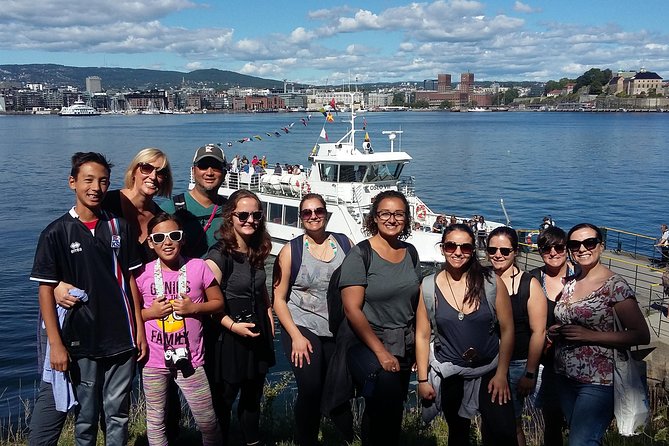
This tour is paced for walking and fjord views, not for long boat time. Transfers between islands are typically short, meaning you get more out of your day by being on land.
That is great if you like:
- stop-and-look sightseeing
- photo breaks that do not feel rushed
- learning as you go, while the scenery is still fresh
It is less ideal if you are expecting a slow scenic cruise where you mostly sit and watch the water. One traveler described it as a walking tour that focuses on the islands themselves. So set your expectations: plan on shoes first, boats second.
Meeting at Rådhusbrygge: start/end setup that keeps things simple
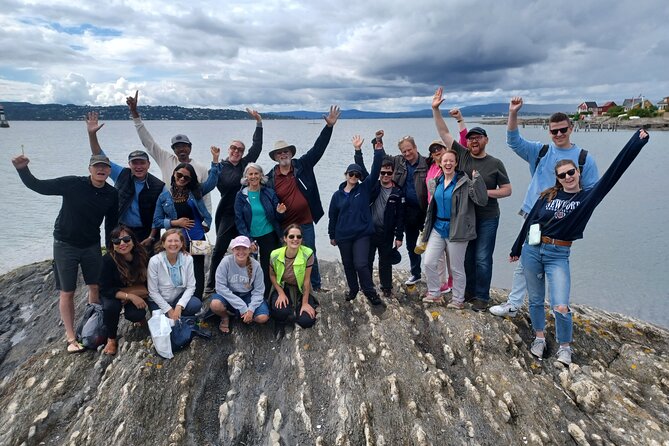
You meet at Rådhusbrygge 4, 0160 Oslo, and the activity ends back at the same spot. That is a big practical win in a city day: you are not trying to get back across town at the end of a short outing.
The meeting area is near public transportation, so you can pair this with other Oslo stops without needing a complicated taxi plan. You also get a mobile ticket, which makes last-minute logistics easier when you are already walking around the city.
Stop 1: Hovedøya monastery ruins and nature preserve walk
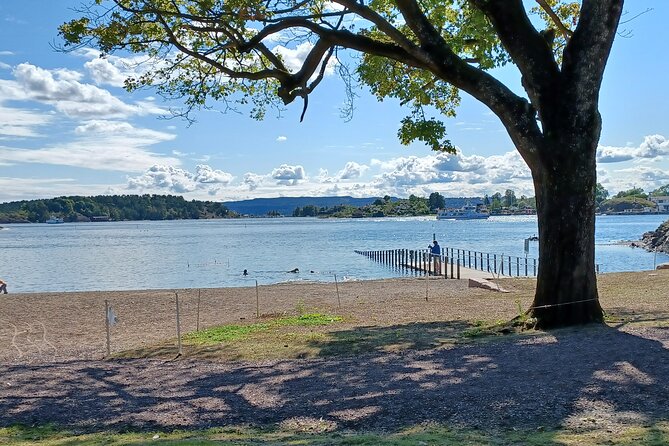
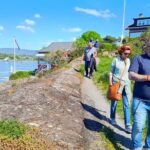
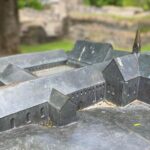
Hovedøya is the kind of stop that rewards slow attention. You start here with the ancient monastery area and a nature preserve feel, which means you are seeing both history and how people relate to the fjord-side environment.
What you can expect:
- A walk that mixes viewpoints with remnants of older structures
- A sense of place that is very different from Oslo’s streets
- Guide commentary that ties the monastery story to Oslo’s broader development
Why Hovedøya is a strong first stop
Starting with the monastery ruins gives you an immediate “why is this here?” hook. Once you understand the place as more than a random set of stones—why it existed, what it means—you notice more details as you keep moving.
Potential drawback
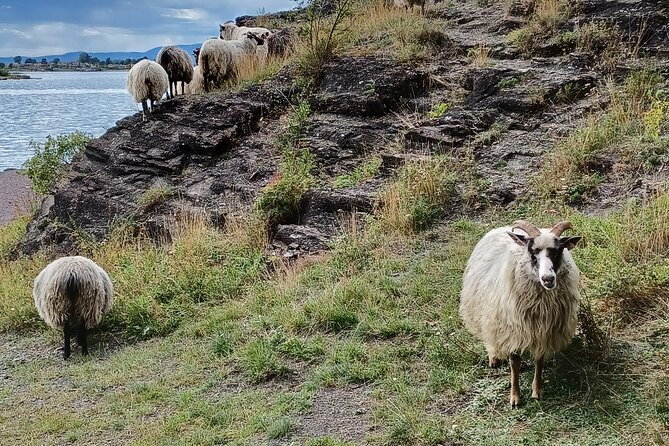
Hovedøya can involve more climbing or uneven ground depending on your route and season. If you are going in winter, you need steady footing and sensible layers. One traveler specifically flagged that winter walking requires comfort on island terrain.

Stop 2: Cabin Island on the Oslofjord for stories of island life
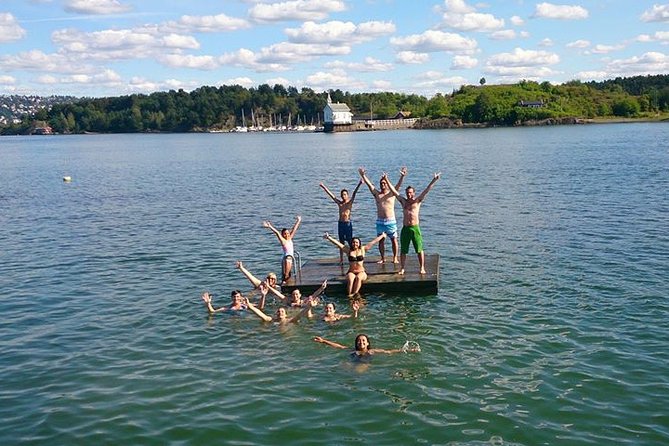
Your second stop brings you into the world of the Oslofjord Cabin Island. This is where the tour shifts from monastery past to everyday fjord relationship: how people lived, why cabins matter, and what the islands have offered locals over time.
What makes this stop special:
- You get views that look back toward Oslo in a way street viewpoints cannot replicate
- The setting feels lived-in, even when you are just visiting
- The guide’s stories often focus on the Norwegian connection to nature and the rhythm of island life
A subtle detail that matters
Because this is a shorter stop by design, you should treat it like a “walk, look, learn, photograph” segment. Do not plan on turning it into a long independent wandering day. If you want hours on one island, you might pair this tour with extra ferry time afterward using your own plan.
Guides who turn a ferry-and-walk day into a real story
The standout pattern in the feedback is the guide impact. Names come up again and again—Giovanni, Patrick, Shaf, Christian, Curtis, Cath, Isi, Jon, Lilo, Alysia, Kat, and Cath again. That list is not just trivia. It signals that the guiding style is consistent: storytelling, humor, and practical context.
Here is what strong guides typically do on this route, and why you should care:
- They explain what you are looking at right now, instead of giving a history lecture detached from the view
- They connect island life to Oslo culture, so the fjord feels like part of the city’s identity, not a separate postcard
- They keep the pace comfortable, especially for photo stops and questions
In colder months, several guides mention extra warmth: one guide brought cookies and hot water for tea or coffee, and others brought hot drinks and biscuits. That kind of small comfort matters on a winter day, when the air can cut right through.
Also worth noting: some information on the islands is limited or not in English. That is why the guided interpretation is not just a nice-to-have. It is often the difference between seeing scenery and understanding it.
How to prepare: walking ability, layers, and lunch timing
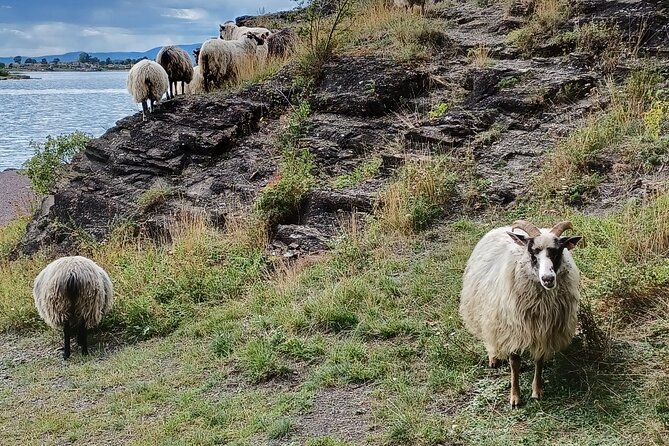
This tour requires you to walk on islands. It is not a sit-on-the-water excursion. If you have any leg or balance issues, you will want to be honest about your comfort level.
What to bring (practical checklist)
- Walking shoes with good grip, especially in winter
- Warm layers, because fjord weather can feel colder than you expect
- A light pack for water and small snacks
Lunch: what you should plan for
Lunch is not included. From April to September, there is a picnic stop included—but you bring your own lunch. Outside that window, the tour still does not include lunch, so you should plan accordingly and bring what you need.
Water and cold-weather comfort
Some guides provide warm drinks or snacks, but you should still act like you are responsible for your own energy. If the weather turns chilly, having your own plan keeps you from getting caught hungry between stops.
Who this island-hopping walk is best for
This is a good match for people who want:
- a gentle introduction to Oslo’s fjord edge
- a guided day that focuses on outdoor time plus history
- small-group travel where you can ask questions
It also suits first-time Oslo visitors who want an overview of how the city relates to its islands. The route gives you both old and newer angles: monastery ruins on one side and the cabin culture on the other.
Who should think twice
If you want a long boat day, this may feel short on water time. If you dislike walking on uneven ground, especially in winter, the terrain may be a deal breaker. And if you are traveling with kids, note that it is not recommended for children under 10.
Best seasons: winter calm vs. warmer fjord wandering
The feedback includes plenty of winter days, and that tells you something important: this tour runs in cold weather and can be a very pleasant outdoors outing if you dress for it.
In winter, expect:
- colder wind off the water
- more attention needed for footing
- a stronger benefit from any warm-drink touches the guide offers
In warmer months, the route often feels more comfortable for lingering. And the April–September picnic stop is a big plus if you prefer casual meals with views instead of seeking a restaurant reservation.
You do need reasonably good weather. The experience requires good weather, and if it is canceled because conditions are poor, you should expect a different date or a full refund.
A balanced take: what you should love and what to accept
Let’s call it straight. The strongest parts are the guide storytelling and the sense of getting out of the city quickly. The route also earns its keep because ferries are handled for you and the group size stays small.
What you might need to accept:
- You visit two islands, so it is a taste, not a full fjord day with five stops
- Island walking is the main event; you should not plan on long boat seating time
- The monastery stop can include some climbing and uneven ground
If that matches what you want—outdoors plus context, with a guide who knows how to explain the scenery—this tour is easy to recommend.
Should you book Oslo Nature Walks: Island hopping?
Yes, book it if you want a low-stress way to see Oslo’s islands without spending your day planning ferries and routes. At $71.26, the value makes sense because you get the guided walk plus public ferry access, and the guide adds real meaning when signage and island information are limited.
I would skip it if your priority is a long scenic cruise, or if you cannot manage island walking comfortably (especially in winter). Also, if you are traveling with kids under 10, this is not the best fit.
If you are on a tight Oslo schedule and want a memorable fjord-edge experience, this is a smart use of a half-day.
FAQ
How long is the Oslo Nature Walks: Island hopping tour?
It lasts about 3 hours 30 minutes.
How much does the tour cost?
The price is $71.26 per person.
Which islands does the tour visit?
You visit Hovedøya and a second stop on the Oslofjord (the Cabin Island area).
What’s included in the price?
You get a guided tour plus a ticket for the public ferries.
Is lunch included?
Lunch is not included. From April to September, there is a picnic stop, and you bring your own lunch.
Where do you meet, and where does it end?
You meet at Rådhusbrygge 4, 0160 Oslo, Norway, and the tour ends back at the same meeting point.
How big is the group?
The tour has a maximum of 15 travelers.
Is this tour suitable for children?
It is not recommended for child under 10 years of age.
Is it offered in English, and does it run in poor weather?
The tour is offered in English, and it requires good weather. If it is canceled due to poor weather, you will be offered a different date or a full refund.